
Author : Lackerone
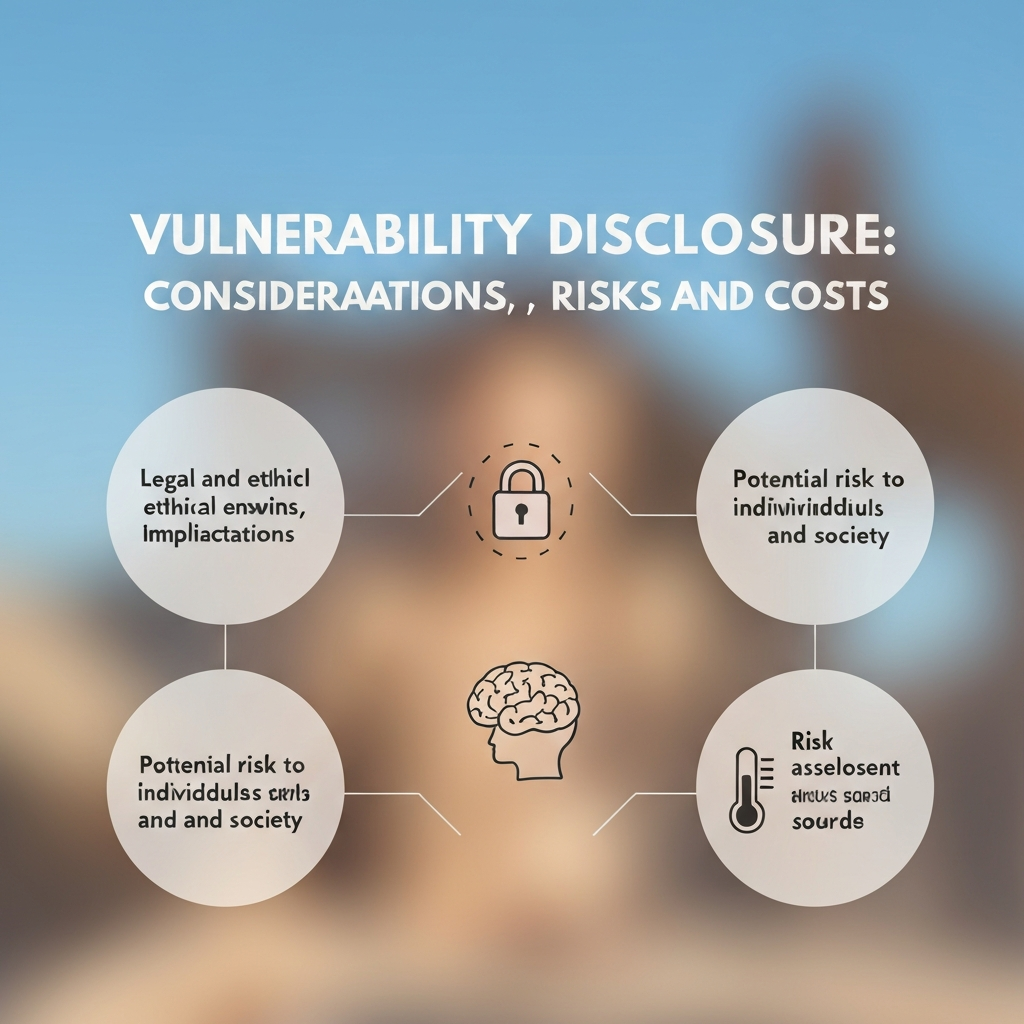
VULNERABILITY DISCLOSURE: CONSIDERATIONS, RISKS, AND COSTS
In today’s digital landscape, cybersecurity is paramount. One crucial aspect of a robust security posture is a well-defined vulnerability disclosure program (VDP). This guide will walk you through the essential considerations, potential risks, and associated costs of implementing and managing a VDP. As security frameworks like NIST SP 800-53 Rev. 5 and mandates such as the Cybersecurity and Infrastructure Security Agency’s Binding Operational Directive 20-01 highlight, VDPs are no longer optional—they are becoming a requirement.
Introduction
Vulnerability Disclosure Programs (VDPs) are, at their core, mechanisms enabling security researchers to report vulnerabilities they discover to an organization. They establish a clear channel for communication and provide a framework for responsibly addressing security flaws. By embracing VDPs, you demonstrate a proactive approach to security and a commitment to protecting your users and assets. This post will help you understand how to navigate the complexities of vulnerability disclosure.
Key Considerations for a Successful VDP
Implementing a VDP involves careful planning. Here are the key factors to consider:
- Scope Definition: Clearly define the scope of your VDP. What assets are included? What types of vulnerabilities are in scope? This clarity prevents misunderstandings and focuses efforts.
- Policy Development: Create a comprehensive policy outlining the rules of engagement, including what constitutes a valid submission, acceptable testing methods, and the rewards (if any) offered for valid reports.
- Communication Channels: Establish clear and accessible channels for receiving vulnerability reports, such as a dedicated email address (e.g., security@yourdomain.com), a web form, or a bug bounty platform.
- Response Procedures: Develop a well-defined process for acknowledging, triaging, validating, and remediating reported vulnerabilities. Include timelines for each step.
- Legal Considerations: Consult with legal counsel to ensure your VDP complies with relevant laws and regulations, and to define safe harbor provisions for researchers.
- Team and Resources: Assemble a dedicated team with the necessary skills to manage the VDP, including security engineers, developers, and legal experts. Allocate sufficient resources for testing, remediation, and communication.
Potential Risks of Implementing a VDP (and how to mitigate them)
While the benefits of a VDP are significant, you should be aware of the potential risks:
- Increased Volume of Reports: Be prepared for a potential influx of vulnerability reports. Prioritize and triage them efficiently to avoid overwhelming your team.
- False Positives: Not every reported vulnerability will be a valid issue. Implement a robust validation process to filter out false positives.
- Public Disclosure: Establish clear guidelines on the timing of public disclosure. Coordinate with the researcher to ensure the vulnerability is patched before public announcement.
- Reputational Damage: Mishandling a vulnerability report or failing to address a critical vulnerability can damage your reputation. Communicate transparently and promptly.
- Resource Drain: Managing a VDP requires time, effort, and resources. Ensure you have the budget and personnel to effectively run the program.
Mitigation Strategies:
- Provide clear submission guidelines to reduce the number of low-quality reports.
- Use a bug bounty platform (if applicable) to attract experienced researchers and help filter submissions.
- Establish SLAs (Service Level Agreements) for response and remediation.
- Communicate transparently with researchers throughout the process.
Costs Associated with VDPs
Implementing and maintaining a VDP incurs various costs:
- Personnel Costs: Salaries for the security team, developers, and legal counsel involved in managing the VDP.
- Platform Costs: Fees for bug bounty platforms, if used.
- Infrastructure Costs: Expenses for setting up and maintaining the reporting infrastructure (e.g., email, web forms).
- Remediation Costs: The cost of patching vulnerabilities, which can include developer time and testing resources.
- Potential Rewards: If you offer a bug bounty program, you will need to budget for payouts.
- Training Costs: Training for your internal teams on how to handle vulnerability reports.
Carefully assess these costs and budget accordingly. The investment in a VDP is often far less than the cost of a major security breach.
Conclusion
Implementing a well-managed VDP is a critical step in strengthening your organization’s security posture. While there are considerations, risks, and costs involved, the benefits of proactive vulnerability management – including reduced risk, improved reputation, and compliance with industry standards – far outweigh the investment. By following the guidelines outlined in this post, you can establish a successful VDP and create a more secure environment for everyone. Embrace the power of the security community and turn them into your partners in building a more secure digital world. This is not just a security best practice, but a necessity in today’s threat landscape.
Frequently Asked Questions (FAQ)
- What is the difference between a VDP and a bug bounty program?
- A VDP is a general framework for vulnerability disclosure. A bug bounty program is a specific type of VDP that offers financial rewards for reported vulnerabilities.
- Do I need a bug bounty program to have a VDP?
- No, you do not. A VDP can be a simple policy with no monetary rewards. Bug bounty programs can be a part of a VDP, but they are not required.
- How do I get started with a VDP?
- Start by defining your scope, creating a policy, establishing communication channels, and assembling a dedicated team.
- What should I do if I receive a vulnerability report?
- Acknowledge the report promptly, validate the findings, remediate the vulnerability, and communicate with the researcher throughout the process.
- How long does it typically take to remediate a vulnerability?
- The timeframe for remediation varies depending on the severity and complexity of the vulnerability. Establish clear SLAs and communicate realistic timelines to the reporter.
“`