
Author : Deligent
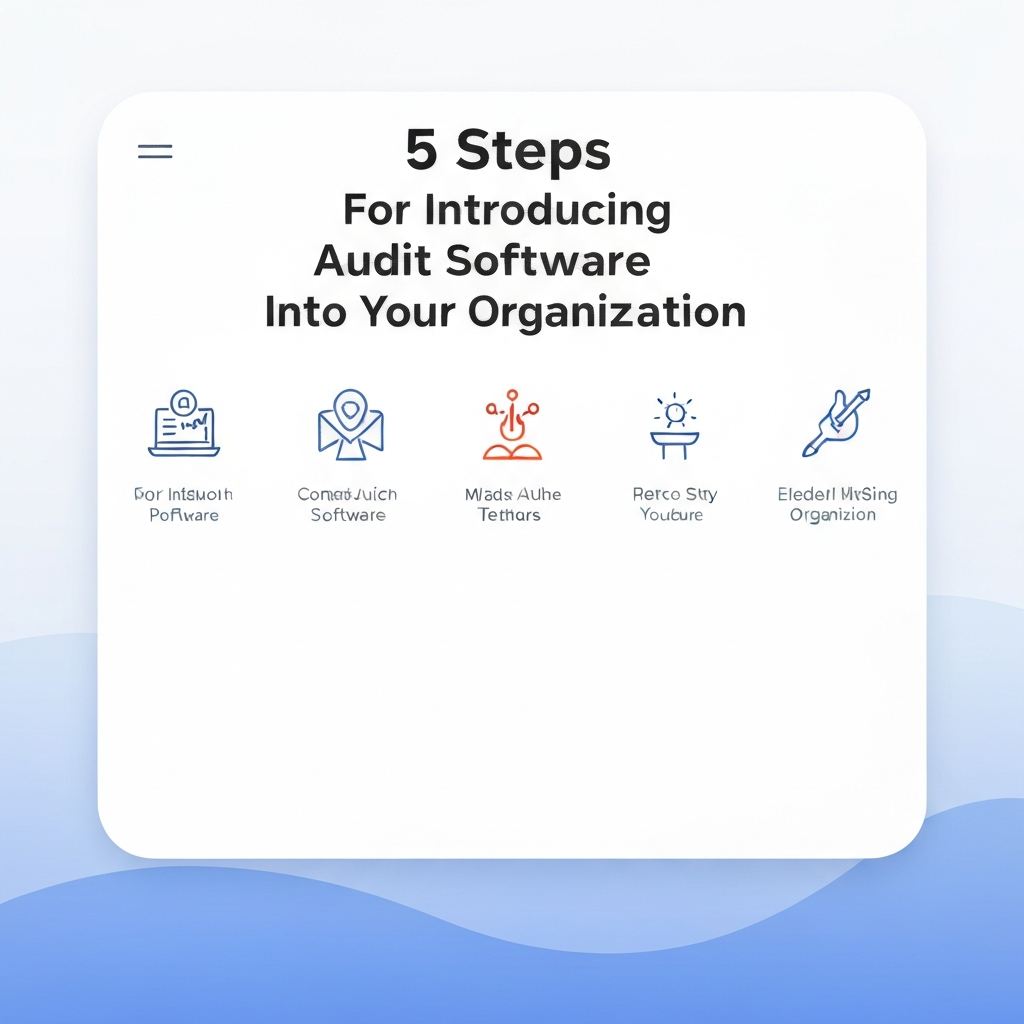
5 Steps For Introducing Audit Software Into Your Organization
In today’s dynamic business environment, internal audit functions are crucial. They’re no longer just about cyclical audits; they’re expected to be deeply involved in risk management and offer strategic insights. To maintain this vital role and drive value, audit teams need to optimize their time and resources. Audit management software emerges as the key to this transformation, offering automation, real-time insights, and continuous assurance. This guide provides a clear roadmap for seamlessly integrating audit software into your organization.
Introduction
Are you ready to elevate your audit function? The shift from traditional audit methods to leveraging audit software is no longer a luxury—it’s a necessity. This change allows you to move away from tedious, manual tasks and concentrate on high-level strategic analysis and critical thinking. This transition empowers your team to conduct more audits, gain deeper insights, and provide more value to the organization. This blog post provides a practical, step-by-step guide to help you introduce audit software into your organization successfully.
5 Steps For Introducing Audit Software Into Your Organization
1. Define Your Needs and Goals
Before diving into software selection, it’s crucial to understand your current audit processes and identify areas for improvement. Ask yourself:
- What are your current pain points? (e.g., time-consuming manual tasks, lack of real-time data)
- What specific goals do you want to achieve with audit software? (e.g., increased efficiency, improved risk assessment, better reporting)
- What are your must-have features? (e.g., risk assessment, workflow automation, reporting)
Document these needs and goals to create a clear vision. This will serve as your guiding document throughout the implementation process.
2. Research and Select the Right Software
With a clear understanding of your needs, you can begin researching audit software solutions. Consider the following:
- Features: Does the software offer the functionality you need (e.g., risk assessment, audit planning, issue tracking, reporting)?
- Scalability: Can the software grow with your organization’s needs?
- Integration: Does it integrate with your existing systems (e.g., ERP, CRM)?
- User-Friendliness: Is the interface intuitive and easy to use for your team?
- Vendor Support: Does the vendor offer adequate training, support, and documentation?
- Cost: Evaluate the total cost of ownership, including software licenses, implementation, and ongoing maintenance.
Request demos and trials to evaluate different solutions before making a final decision. Involve key stakeholders in the selection process to ensure buy-in.
3. Plan for Implementation
Successful implementation requires a well-defined plan. This includes:
- Project Timeline: Create a realistic timeline for implementation, including data migration, system configuration, and user training.
- Data Migration: Plan how you’ll migrate data from your existing systems into the new software.
- System Configuration: Customize the software to align with your specific audit processes and organizational structure.
- Training: Develop a comprehensive training program for your audit team. This ensures that everyone understands how to use the new software effectively.
- Communication: Keep stakeholders informed throughout the implementation process.
Allocate sufficient resources to the implementation project to ensure a smooth transition.
4. Train Your Team
Training is critical to the success of your audit software implementation. Your training program should include:
- Comprehensive Training: Provide in-depth training on all features and functionalities of the software.
- Hands-on Exercises: Offer practical exercises to help users apply their new skills.
- Ongoing Support: Provide ongoing support and resources, such as user manuals, FAQs, and a help desk.
- Train-the-Trainer: Identify and train internal champions who can provide ongoing support and training to their colleagues.
Ensure that all team members feel comfortable using the software and understand its benefits. Gather feedback and make adjustments to your training program as needed.
5. Monitor, Evaluate, and Optimize
Once the software is implemented, continuously monitor its performance and evaluate its effectiveness. Here’s how:
- Key Performance Indicators (KPIs): Track relevant KPIs (e.g., audit cycle time, audit findings, user satisfaction) to measure the software’s impact.
- Feedback: Collect feedback from your audit team to identify areas for improvement.
- Regular Reviews: Conduct regular reviews of your audit processes to identify areas for further optimization.
- Stay Updated: Keep your software updated with the latest features and patches.
Use the data you collect to make informed decisions and continuously optimize your audit processes. This ensures that you’re getting the most value from your audit software investment.
Conclusion
Introducing audit software is a strategic move that can significantly transform your audit function. By following these five steps – defining your needs, selecting the right software, planning your implementation, training your team, and continuously monitoring and optimizing – you can successfully adopt audit software and unlock its full potential. Embrace this change to empower your audit teams, enhance risk management, and drive greater value within your organization.
FAQ’s
“`