
Author : Lever
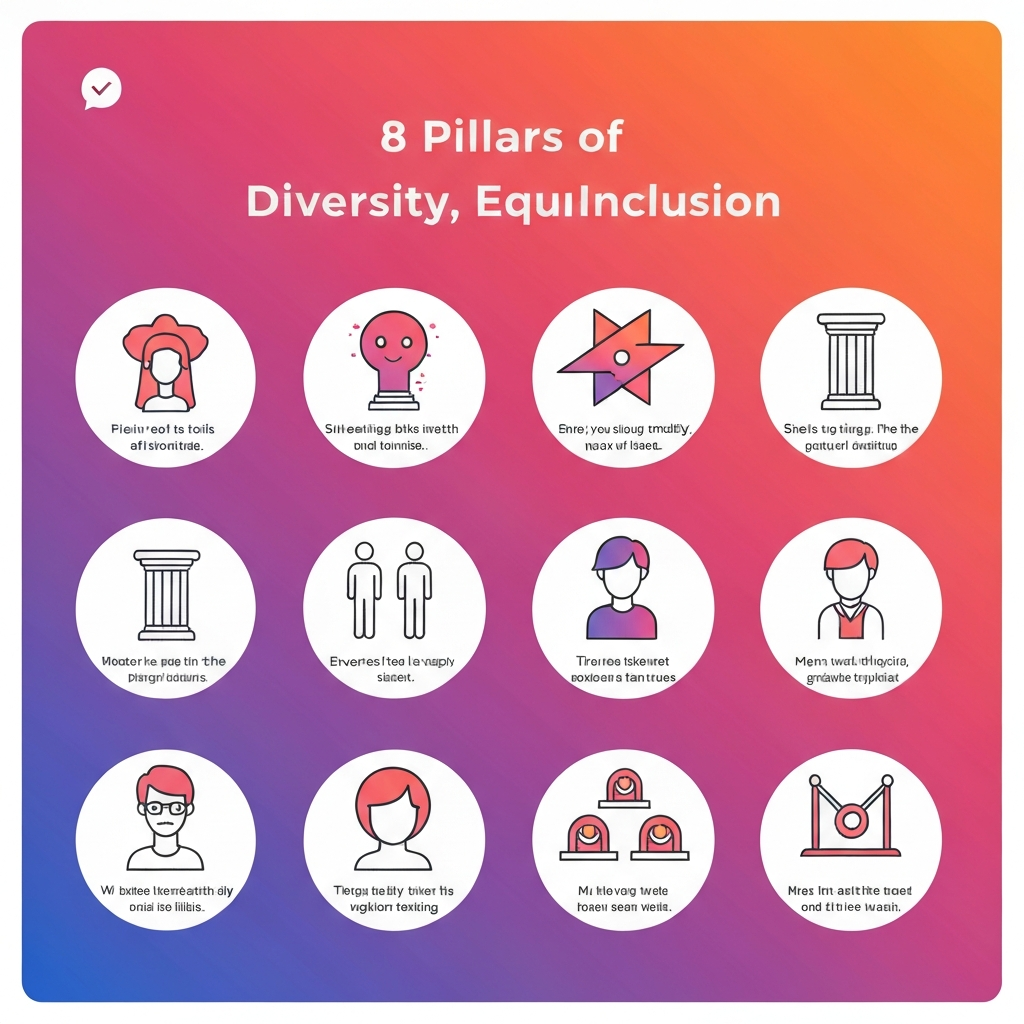
8 Pillars of Diversity, Equity, and Inclusion
The need for robust Diversity, Equity, and Inclusion (DEI) initiatives has never been more critical. The world has witnessed the impacts of inequality, and the business world is no exception. Companies are realizing the vast potential of diverse workforces. But understanding DEI and transforming good intentions into actionable steps requires a solid framework. This guide provides an in-depth look at the 8 Pillars of DEI, equipping you with the knowledge to build a more inclusive and equitable environment.
Introduction: Why DEI Matters Now More Than Ever
The COVID-19 pandemic highlighted existing inequalities, disproportionately affecting various groups. The financial benefits of DEI are undeniable; McKinsey estimates significant GDP growth by narrowing the gender gap, and financial institutions stand to gain billions by providing equal access to financial products. Beyond finances, DEI fosters higher employee satisfaction, better retention, and smarter decision-making. Despite commitments from companies, progress has been slow, with many employees feeling that current DEI efforts are insufficient. This blog will help you understand the core components and implement meaningful change.
Pillar 1: Awareness and Education
The foundation of any successful DEI strategy is awareness. You must educate your workforce on the meaning of DEI, unconscious biases, and the impact of discrimination.
- Training Programs: Implement mandatory training sessions on topics like unconscious bias, microaggressions, and inclusive language.
- Resource Library: Create a central repository of articles, videos, and books on DEI topics.
- Guest Speakers: Invite DEI experts to share their knowledge and experiences.
Pillar 2: Inclusive Recruitment and Hiring
Your recruitment process is the first step in building a diverse workforce. You need to examine and revise your hiring practices to ensure they’re fair and inclusive.
- Blind Resume Screening: Remove identifying information from resumes during the initial screening phase.
- Diverse Interview Panels: Include individuals from different backgrounds on interview panels.
- Inclusive Job Descriptions: Use gender-neutral language and avoid jargon that might exclude certain candidates.
Pillar 3: Equitable Policies and Practices
Review and revise your existing policies to ensure they are equitable and provide equal opportunities for all employees.
- Equal Pay: Conduct regular pay audits to identify and address any pay gaps.
- Flexible Work Arrangements: Offer flexible work schedules and remote work options to accommodate diverse needs.
- Family-Friendly Policies: Provide parental leave, childcare assistance, and other family-friendly benefits.
Pillar 4: Employee Resource Groups (ERGs)
ERGs create a sense of community and support for employees from underrepresented groups.
- Formation: Encourage the formation of ERGs based on various identities (e.g., race, gender, sexual orientation, disability).
- Support: Provide resources and funding for ERG activities and initiatives.
- Leadership Opportunities: Offer leadership opportunities within ERGs.
Pillar 5: Mentorship and Sponsorship Programs
These programs help employees from underrepresented groups advance their careers by providing guidance and advocacy.
- Mentorship Programs: Pair junior employees with senior-level mentors for guidance.
- Sponsorship Programs: Connect promising employees with sponsors who can advocate for their advancement.
- Training: Provide training for mentors and sponsors.
Pillar 6: Performance Management and Feedback
Ensure that performance evaluations are fair, unbiased, and provide constructive feedback for all employees.
- Unbiased Evaluation Criteria: Develop clear and objective performance criteria.
- 360-Degree Feedback: Gather feedback from multiple sources to provide a more comprehensive view of performance.
- Regular Feedback: Provide regular, constructive feedback to all employees.
Pillar 7: Inclusive Communication
Foster a culture of open and respectful communication.
- Inclusive Language: Use inclusive language in all communications, avoiding jargon and stereotypes.
- Feedback Mechanisms: Establish safe spaces for employees to provide feedback.
- Active Listening: Encourage active listening and respect for diverse perspectives.
Pillar 8: Accountability and Measurement
Track your progress and hold yourselves accountable.
- Data Collection: Collect data on workforce demographics, employee satisfaction, and retention rates.
- Regular Audits: Conduct regular audits of your DEI initiatives to measure their effectiveness.
- Transparency: Share your DEI data and progress with employees.
Summary
Implementing effective DEI initiatives requires a strategic and multifaceted approach. By focusing on awareness, inclusive hiring, equitable policies, ERGs, mentorship, performance management, inclusive communication, and accountability, you can create a workplace where everyone feels valued, respected, and empowered. Remember that DEI is not a one-time project but an ongoing commitment to fostering a truly inclusive culture.
Conclusion
By embracing these 8 pillars, you are not just ticking boxes; you are building a future where diverse talents thrive and contribute to unprecedented success. It’s time to transform your workplace into a beacon of inclusion. Start today.
FAQ’s
- Diversity refers to the presence of differences within a group.
- Equity ensures everyone has the same access to opportunities and resources to reach the same outcome.
- Inclusion means that all individuals feel welcomed, respected, supported, and valued to fully participate.
Success can be measured through various metrics, including:
- Employee demographics.
- Employee satisfaction and engagement scores.
- Retention rates (especially for underrepresented groups).
- Representation in leadership positions.
- Feedback from employee surveys and focus groups.
Some common challenges include:
- Lack of leadership support.
- Resistance to change.
- Lack of resources and funding.
- Unconscious bias.
- Difficulty in measuring impact.
“`