
Author : ADOBE
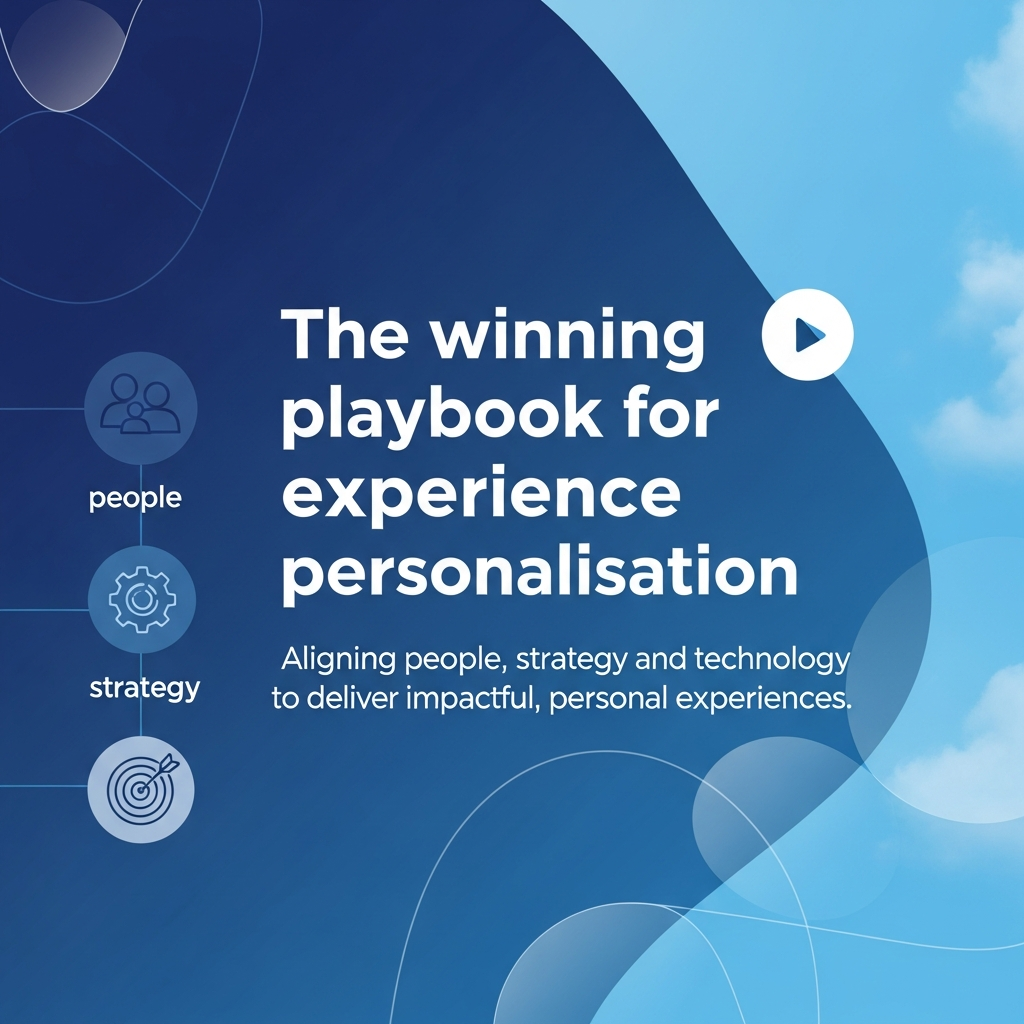
The Winning Playbook for Experience Personalization: Aligning People, Strategy, and Technology
Summary
In today’s competitive landscape, personalizing customer experiences is no longer optional—it’s essential. This playbook outlines a strategic approach to experience personalization, focusing on aligning your people, strategy, and technology to deliver impactful and memorable customer interactions. We’ll explore the key components, best practices, and actionable tips to help you create personalized experiences that drive customer loyalty and business growth.
Introduction
Improving the customer experience has never been more critical. Customers today expect brands to understand their needs and preferences, and they are quick to switch to competitors who provide a better, more personalized experience. Personalization ranks as a top opportunity to drive better customer experiences, but achieving true personalization requires a holistic approach. Simply collecting data is not enough; you must use it strategically to create meaningful interactions.
The Winning Playbook: Key Components
To successfully implement experience personalization, focus on these three pillars:
1. People: Building a Customer-Centric Culture
Your team is the heart of your personalization efforts. Create a culture where every employee understands the importance of the customer and is empowered to deliver personalized experiences.
- Foster Empathy: Train your team to understand and anticipate customer needs.
- Empowerment: Give employees the autonomy to make decisions that enhance the customer experience.
- Cross-Functional Collaboration: Break down silos between departments to ensure a unified customer view.
- Training and Development: Provide ongoing training on personalization tools and best practices.
2. Strategy: Defining Your Personalization Goals
A clear strategy is essential for guiding your personalization efforts. Start by defining your goals and understanding your target audience.
- Define Goals: What do you want to achieve with personalization (e.g., increased sales, higher customer satisfaction, improved retention)?
- Know Your Audience: Conduct thorough customer research to understand their needs, preferences, and behaviors. Create detailed customer personas.
- Map the Customer Journey: Identify touchpoints where you can implement personalized experiences.
- Set KPIs: Establish key performance indicators to measure the success of your personalization initiatives.
3. Technology: Implementing the Right Tools
Technology is the engine that drives personalization. Choose the right tools to collect, analyze, and act on customer data.
- Customer Data Platform (CDP): A central hub for collecting and managing customer data.
- CRM System: For managing customer interactions and sales data.
- Marketing Automation Tools: To automate personalized messaging and campaigns.
- Analytics and Reporting Tools: To track performance and make data-driven decisions.
Tips for Effective Personalization
- Start Small: Begin with a pilot project to test your approach before scaling.
- Focus on Data Privacy: Be transparent with customers about how you collect and use their data.
- Test and Optimize: Continuously A/B test your personalization efforts to improve results.
- Personalize Across Channels: Ensure a consistent experience across all touchpoints (website, email, social media, etc.).
- Use Segmentation: Divide your audience into segments based on shared characteristics.
- Provide Value: Offer personalized content and recommendations that are relevant to each customer’s needs.
Conclusion
Experience personalization is a journey, not a destination. By aligning your people, strategy, and technology, you can create impactful, personalized experiences that resonate with your customers. Embrace a customer-centric culture, define clear goals, and leverage the right tools to drive customer loyalty and business success. Don’t be afraid to experiment, learn, and adapt to stay ahead in the ever-evolving world of customer experience.
Frequently Asked Questions
What are the biggest challenges in implementing personalization?
Data privacy concerns, data silos, lack of skilled personnel, and choosing the right technology are common challenges.
How do I measure the success of my personalization efforts?
Track KPIs such as conversion rates, customer lifetime value, customer satisfaction scores, and website engagement metrics.
What’s the difference between personalization and customization?
Personalization uses data and insights to tailor experiences for customers automatically. Customization allows customers to modify their own experience.
How important is data privacy in personalization?
Extremely important. Transparency and respect for customer data are crucial for building trust and maintaining compliance with privacy regulations.
“`