
Author : REDHAT
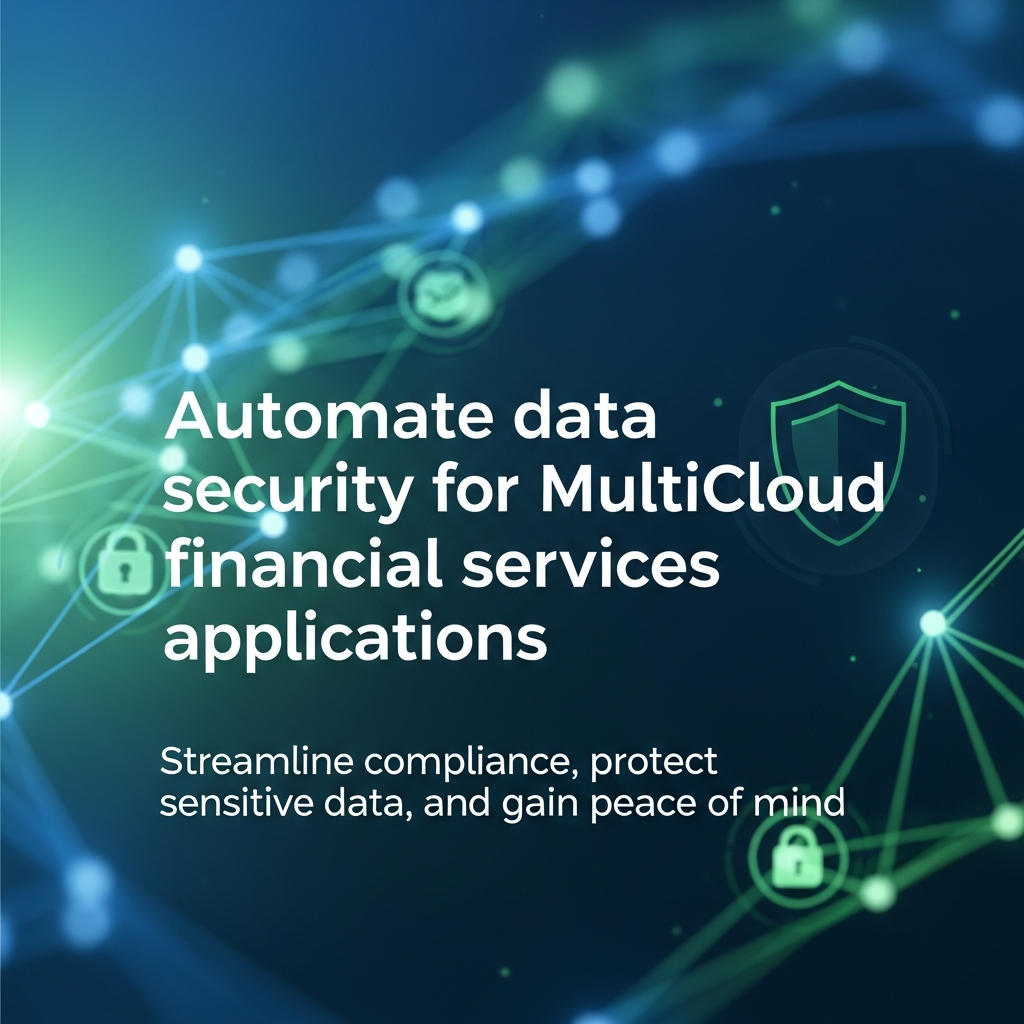
Automate Data Security in Multicloud Financial Services Applications
In recent years, the financial services industry has embraced cloud-native applications at an unprecedented rate. The allure of agility and elasticity has driven this rapid adoption. However, as you move to cloud and multicloud deployments, the importance of robust security and compliance cannot be overstated, especially when it comes to sensitive customer data. Protecting this data isn’t just a best practice; it’s a critical imperative, directly impacting your customers’ financial well-being and the reputation of your business.
Introduction: The New Frontier of Financial Data Security
The financial services landscape is evolving rapidly. With the rise of multicloud environments, you’re likely juggling services across various providers to optimize performance, cost, and availability. But this distributed approach also introduces new security challenges. How do you ensure consistent security policies across different cloud platforms? How do you maintain compliance with regulations like GDPR, CCPA, and PCI DSS? The answer lies in automation.
Why Automate Data Security?
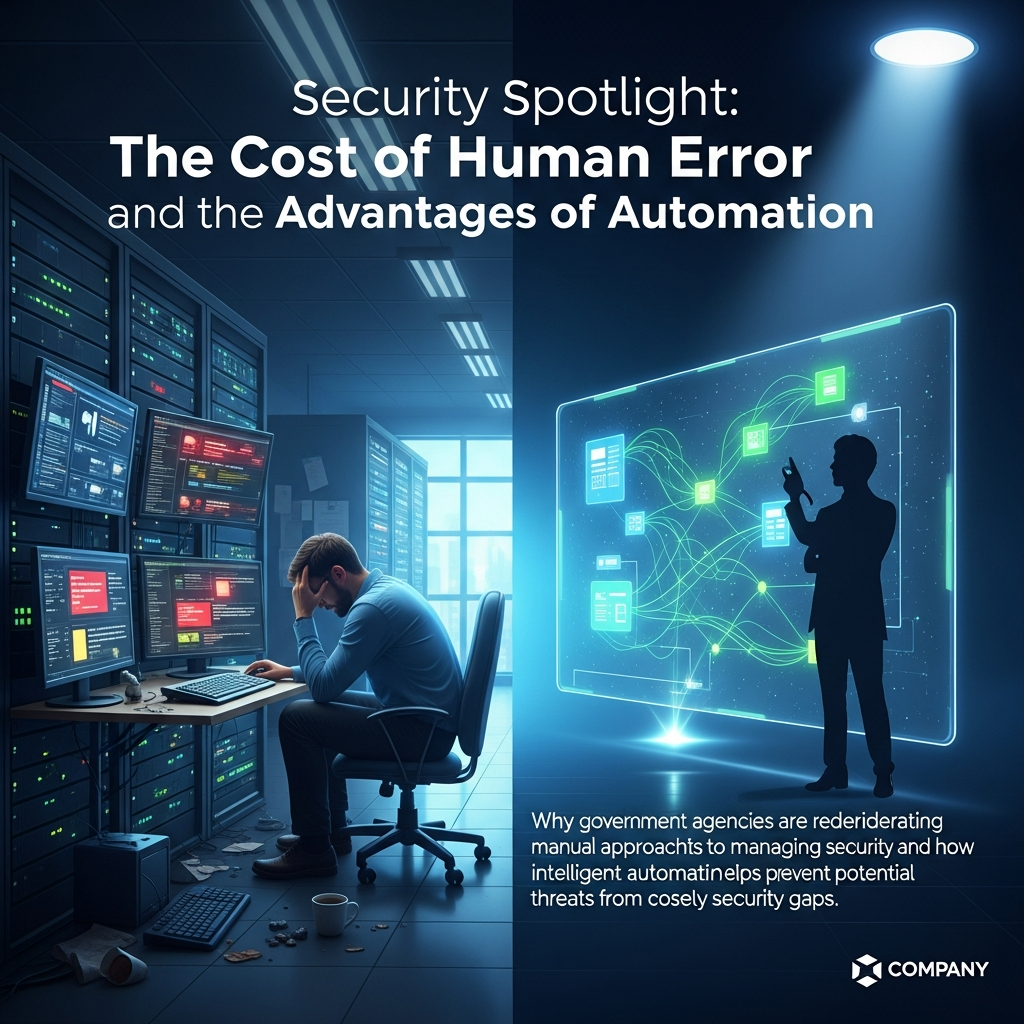
Manual security processes are no longer sufficient in the dynamic multicloud world. Automating your data security offers several key advantages:
- Reduced Risk: Automation minimizes human error, a leading cause of security breaches.
- Enhanced Efficiency: Automate repetitive tasks, freeing up your security teams to focus on strategic initiatives.
- Improved Compliance: Ensure consistent application of security policies across all your cloud environments, simplifying compliance efforts.
- Faster Incident Response: Automate threat detection and response, minimizing the impact of security incidents.
- Cost Optimization: Reduce operational costs by automating security tasks and optimizing resource utilization.
Key Factors for Automating Data Security
To successfully automate data security in your multicloud financial services applications, consider these essential factors:
- Centralized Policy Management: Implement a centralized system for defining and enforcing security policies across all your cloud environments.
- Identity and Access Management (IAM): Automate user provisioning, access control, and authentication processes. Utilize multi-factor authentication (MFA) and implement the principle of least privilege.
- Data Encryption: Encrypt data at rest and in transit. Automate key management and rotation.
- Vulnerability Scanning and Patch Management: Automate vulnerability scanning to identify weaknesses in your applications and infrastructure. Automate patch deployment to address vulnerabilities.
- Security Information and Event Management (SIEM): Implement a SIEM system to collect, analyze, and correlate security events from all your cloud environments. Automate threat detection and incident response.
- Compliance Automation: Automate compliance checks to ensure your applications and infrastructure meet regulatory requirements.
- Infrastructure as Code (IaC): Define your infrastructure as code to automate the deployment and configuration of your security controls.
Tips to Improve Your Automation Strategy
Here are some practical tips to enhance your data security automation strategy:
- Start Small: Begin by automating a few key security tasks and gradually expand your automation efforts.
- Choose the Right Tools: Select security tools that integrate seamlessly with your existing cloud platforms and DevOps workflows.
- Integrate Security into DevOps: Incorporate security into your CI/CD pipelines to automate security checks and testing.
- Monitor and Review: Continuously monitor your automated security processes and review them regularly to ensure they are effective.
- Provide Training: Ensure your team is trained on the automated security tools and processes.
Conclusion
Automating data security is no longer optional; it’s a necessity for financial services organizations operating in the multicloud environment. By embracing automation, you can significantly reduce risks, improve efficiency, and ensure compliance. By following the guidelines provided, you can fortify your data security posture and safeguard your customers’ valuable information. Embrace automation and secure your future in the cloud.
Frequently Asked Questions (FAQ)
“`