
Author : CHATSWORTH PRODUCTS
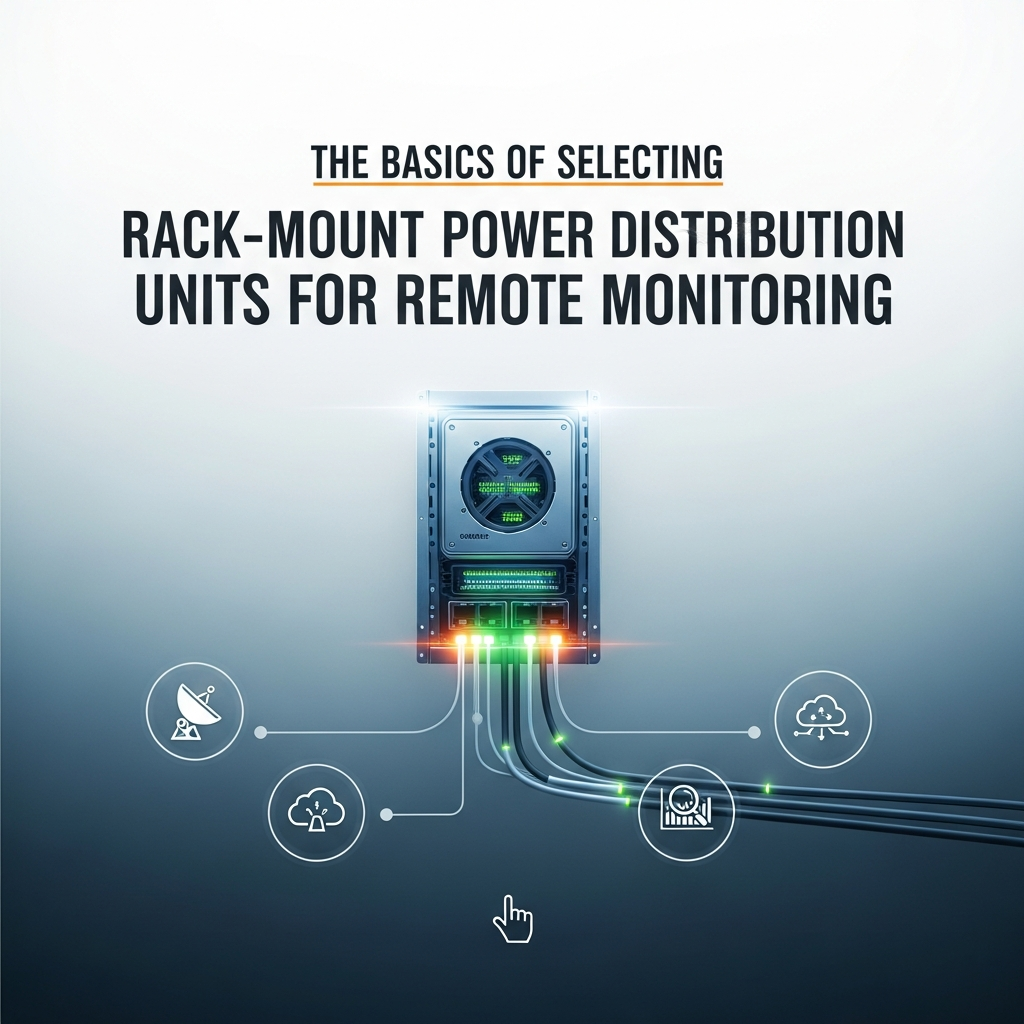
The Basics of Selecting Rack-Mount Power Distribution Units for Remote Monitoring
Summary
Choosing the right rack-mount Power Distribution Unit (PDU) with remote monitoring capabilities is crucial for ensuring the reliable operation of your IT infrastructure. This guide will walk you through the essential factors to consider, from power requirements and outlet types to remote monitoring features and future-proofing your setup. By understanding these basics, you can make informed decisions that optimize your data center’s efficiency and minimize downtime.
Introduction
In today’s fast-paced digital landscape, the availability and reliability of your IT infrastructure are paramount. Almost every piece of Information and Communications Technologies (ICT) equipment, from servers to networking devices, relies on a rack-mount Power Distribution Unit (PDU) to deliver power. Selecting the right PDU, especially one equipped with remote monitoring, is no longer a luxury but a necessity for maintaining uptime and optimizing your operational efficiency. If you are unfamiliar with power distribution systems, the selection process can seem daunting. This guide will demystify the process, empowering you to make informed decisions.
Key Factors to Consider When Selecting a PDU
Choosing the right PDU involves careful consideration of several key factors. Here’s a breakdown to guide you:
1. Power Requirements
Determine the total power your equipment requires. This includes voltage (120V or 208/240V), amperage, and the number of outlets needed. Check the power consumption of each device and add them up, keeping in mind a safety margin to avoid overloading the PDU.
- Voltage: Ensure the PDU matches your facility’s voltage.
- Amperage: Calculate the total amperage required by all connected devices. Choose a PDU with a higher rating than your total load to provide a safety margin.
- Number of Outlets: Count the number of outlets needed and consider future expansion.
2. Outlet Types and Configuration
PDUs come with various outlet types (NEMA, IEC, etc.). Make sure the outlets on the PDU are compatible with the power cords of your equipment. Also, consider the physical layout of the outlets on the PDU to accommodate the size and orientation of your equipment’s power plugs.
- NEMA: Common in North America.
- IEC: Commonly used internationally.
- Outlet Configuration: Consider the spacing between outlets to prevent blocking adjacent ports.
3. Remote Monitoring Capabilities
Remote monitoring is a game-changer. It allows you to track power consumption, temperature, and other environmental factors from a remote location. Look for features such as:
- Real-time Monitoring: Provides up-to-the-minute data on power usage.
- Alerts and Notifications: Sends alerts for power fluctuations, overloads, or environmental issues.
- Remote Control: Allows you to remotely switch outlets on/off.
- Network Connectivity: Ensure the PDU supports the network protocols that you use like SNMP or HTTP.
4. Physical Features and Form Factor
Consider the physical size and mounting options of the PDU. Rack-mount PDUs come in various form factors (horizontal, vertical). Ensure it fits your rack space and allows for proper airflow. Also, look for PDUs that include cable management features.
- Rack Units (U): Standardized unit of measurement for rack space.
- Mounting Options: Choose a PDU that fits your rack’s mounting style.
- Cable Management: Features like cable clips or brackets help keep your rack organized.
5. Reliability and Standards Compliance
Choose PDUs from reputable manufacturers known for reliability. Look for certifications that show compliance with industry standards, such as UL or IEC. A reliable PDU protects your equipment from power surges and other electrical issues.
- Manufacturer Reputation: Research the brand’s reputation and customer reviews.
- Certifications: Look for UL, IEC, and other relevant certifications.
- Warranty: Check the warranty period for added peace of mind.
Tips for Optimizing Your PDU Selection
- Plan for Growth: Choose a PDU with extra capacity to accommodate future expansion.
- Consider Redundancy: Use redundant PDUs and power feeds for critical equipment to ensure high availability.
- Prioritize Efficiency: Look for PDUs with energy-efficient features to reduce operating costs.
- Document Everything: Keep detailed records of your PDU configurations and settings.
Conclusion
Selecting the right rack-mount PDU with remote monitoring is a critical step in building a resilient and efficient IT infrastructure. By carefully considering your power requirements, outlet types, monitoring needs, physical features, and reliability, you can ensure your equipment receives the power it needs while minimizing downtime and optimizing your operational efficiency. Take the time to evaluate your needs, do your research, and choose a PDU that will serve your business well for years to come. Investing in a quality PDU with remote monitoring capabilities is an investment in the future of your data center.
FAQ’s
What is the difference between a metered and a switched PDU?
A metered PDU provides real-time power consumption data, while a switched PDU allows you to remotely turn outlets on or off. Some PDUs combine both functionalities.
How important is remote monitoring?
Remote monitoring is extremely important because it allows you to proactively manage your power infrastructure, detect issues before they cause downtime, and optimize energy usage.
What is the typical lifespan of a PDU?
The lifespan of a PDU can vary, but most high-quality PDUs are designed to last for many years. Regular maintenance and proper use can extend their lifespan.
“`