
Author : DILIGENT
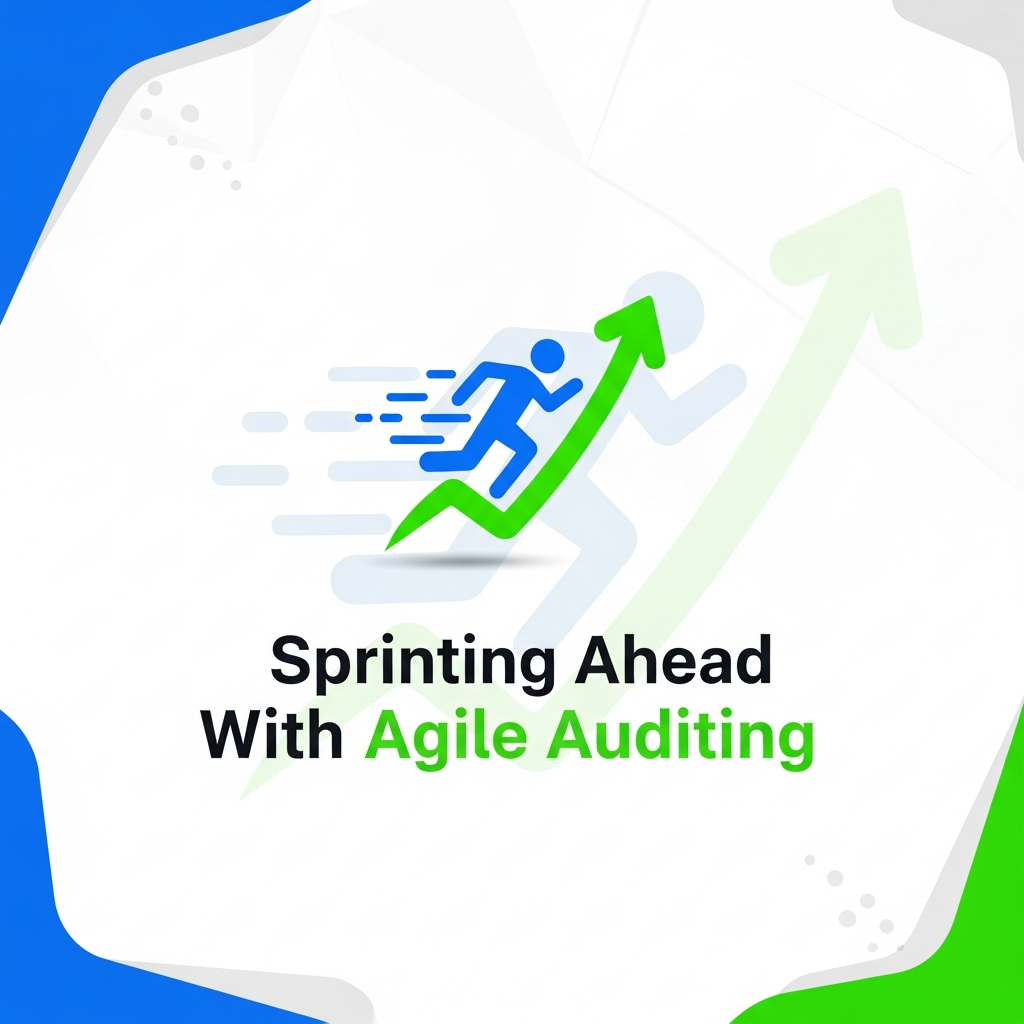
Sprinting Ahead With Agile Auditing
Internal auditors are no longer just number-checkers. In today’s dynamic business environment, you’re expected to be strategic, anticipate risks, add value, and provide robust assurance. This requires a shift from traditional, often rigid, audit methodologies to a more flexible, responsive, and value-driven approach: Agile Auditing. Get ready to transform your audit process and become a key driver of organizational success.
Introduction: Embracing the Agile Mindset
Traditional audit approaches often involve lengthy planning phases, rigid execution, and delayed feedback. Agile Auditing, on the other hand, embraces iterative processes, collaboration, and continuous improvement. It’s about being nimble, adapting to change, and delivering value quickly. Think of it as sprinting, not a marathon.
Why Agile Auditing?
The benefits of adopting an agile approach are numerous:
- Increased responsiveness: Quickly adapt to changing business environments and emerging risks.
- Enhanced value delivery: Provide timely insights and recommendations that drive improvements.
- Improved stakeholder collaboration: Foster stronger relationships with auditees and management.
- Greater efficiency: Streamline audit processes and reduce administrative overhead.
- Higher quality audits: Focus on the most critical risks and deliver more impactful results.
Key Factors for Successful Agile Auditing
Implementing agile auditing requires a shift in mindset and a commitment to new ways of working. Consider these key factors:
- Embrace Iteration: Break down audit projects into smaller, manageable sprints (typically 2-4 weeks).
- Prioritize Collaboration: Foster open communication and collaboration between auditors, auditees, and stakeholders. Regular stand-up meetings, sprint reviews, and retrospectives are crucial.
- Focus on Risk: Identify and prioritize the most significant risks facing the organization.
- Use Feedback: Gather feedback throughout the audit process to identify areas for improvement. Use this feedback to adapt and refine your approach.
- Embrace Flexibility: Be prepared to adjust your audit plan and scope as new information emerges.
- Utilize Agile Tools: Consider using project management software (like Jira or Trello) to manage tasks, track progress, and facilitate collaboration.
Tips for Sprinting Ahead with Agile Auditing
Ready to get started? Implement these tips:
- Start Small: Begin by piloting agile auditing on a smaller, less complex audit.
- Define Clear Roles: Establish clear roles and responsibilities for each member of the audit team.
- Set Realistic Goals: Define achievable goals for each sprint.
- Regularly Review and Adapt: Conduct regular sprint reviews and retrospectives to identify what worked well, what didn’t, and how to improve.
- Provide Training: Invest in training to familiarize your team with agile principles and practices.
- Communicate Effectively: Keep stakeholders informed of progress, challenges, and key findings throughout the audit process.
Conclusion: The Future of Auditing is Agile
Agile auditing is not just a trend; it’s the future of internal audit. By embracing agility, you can transform your audit function into a strategic asset that delivers significant value to your organization. Take the first step today and start sprinting ahead!
FAQ’s
What is the main difference between traditional and agile auditing?
Traditional auditing is often rigid and sequential, while agile auditing is iterative, flexible, and collaborative. Agile auditing emphasizes continuous feedback and adaptation.
What are the key benefits of agile auditing?
Increased responsiveness to risks, enhanced value delivery, improved stakeholder collaboration, greater efficiency, and higher-quality audits.
How can I get started with agile auditing?
Start small with a pilot project, define clear roles, set realistic goals, and embrace continuous improvement through regular reviews and retrospectives.
“`