
Author : CHATSWORTH PRODUCTS
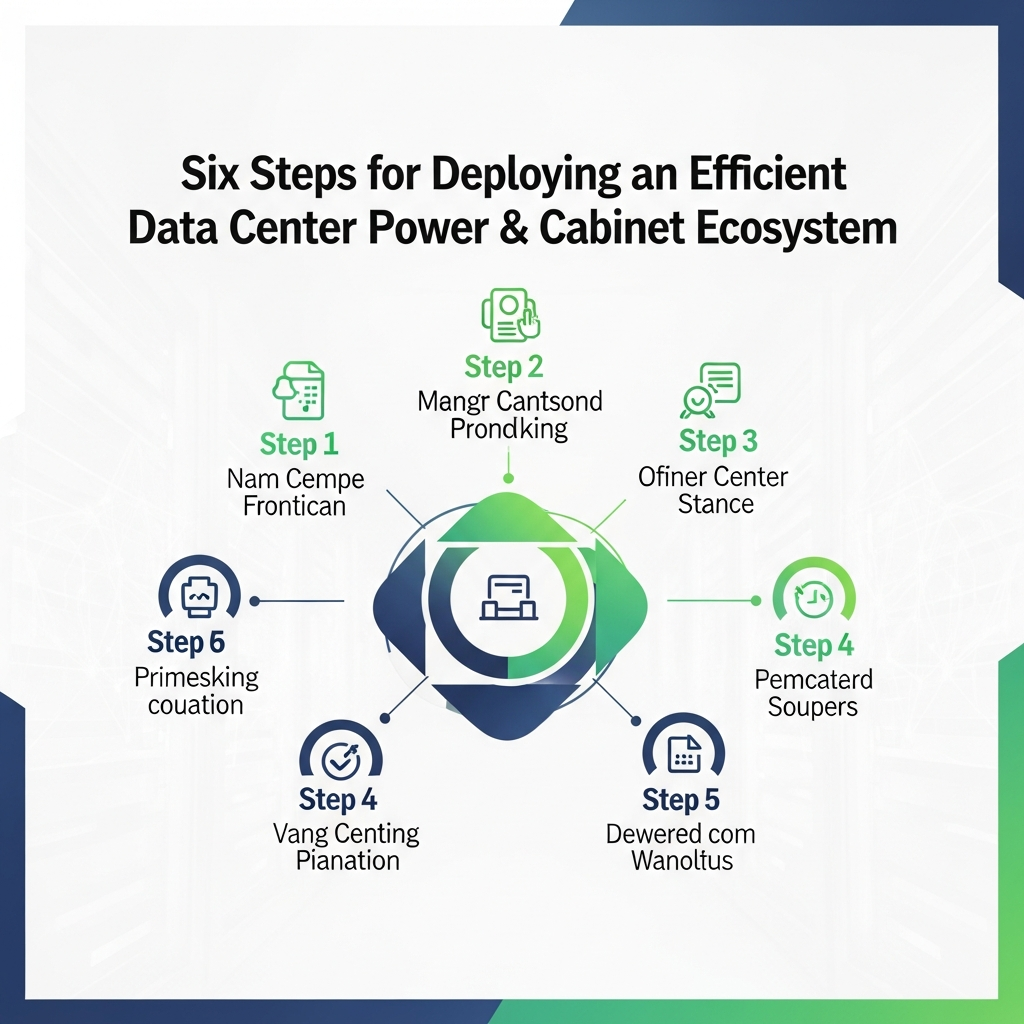
Six Steps for Deploying an Efficient Data Center Power & Cabinet Ecosystem
In the fast-paced world of data centers, efficiency and reliability are paramount. The power and cabinet ecosystem—the integration of hardware (cabinets, and their contents) and software designed to support and enhance hardware functionality—is the backbone of your operations. When this ecosystem is thoughtfully planned and implemented, it can significantly improve your data center’s performance and your bottom line. This guide will walk you through six crucial steps to deploying an efficient data center power and cabinet ecosystem, ensuring long-term ROI and optimized performance.
Introduction
Building a successful data center requires careful planning, especially when it comes to power and cabinet infrastructure. It’s not just about the hardware; it’s about creating an integrated system that allows you to make informed decisions quickly. This integrated approach, especially when provided by a single manufacturer, helps optimize your data center from the ground up. This guide will help you understand each step required to transform your data center for the better.
The Six Steps
1. Assess Your Current Infrastructure and Needs
Before making any changes, you must understand your current situation. Start by assessing your existing power and cabinet infrastructure. Consider the following:
- Power Capacity: Evaluate your current power consumption and future needs. Are you running at maximum capacity? Do you have room to grow?
- Cabinet Layout: How efficiently are your cabinets utilized? Is there room for expansion? Are your cabinets organized for optimal airflow and cooling?
- Cooling Systems: Assess the effectiveness of your cooling systems. Are they adequate for your current and future needs?
- Monitoring Systems: Do you have monitoring systems in place to track power usage, temperature, and other critical metrics?
This assessment will help you identify bottlenecks and areas for improvement.
2. Choose the Right Equipment and Software
Selecting the right equipment is crucial for efficiency. Consider these factors:
- Cabinets: Choose cabinets that offer good airflow management, cable management, and scalability. Consider the weight capacity and the ability to easily accommodate new equipment.
- Power Distribution Units (PDUs): Select PDUs that provide the necessary power capacity and monitoring capabilities. Consider intelligent PDUs that offer remote monitoring and control.
- Uninterruptible Power Supplies (UPS): Ensure your UPS systems provide adequate backup power and are sized appropriately for your critical loads.
- Software: Invest in software that can monitor and manage your power and cabinet infrastructure. This can include DCIM (Data Center Infrastructure Management) software for real-time monitoring and reporting.
3. Optimize Power Distribution
Efficient power distribution is key to reducing energy consumption and ensuring reliability. Consider the following:
- Balanced Power Loads: Distribute power evenly across your PDUs and circuits to prevent overloads.
- Use of High-Efficiency PDUs: Select PDUs that minimize power losses.
- Proper Cabling: Use appropriately sized cables and ensure proper cable management to reduce the risk of power loss.
- Redundancy: Implement redundant power paths to prevent downtime.
4. Improve Cooling and Airflow
Proper cooling is essential to prevent equipment failure and maintain optimal performance. Implement these best practices:
- Hot and Cold Aisle Containment: Implement hot and cold aisle containment to separate hot and cold airflows, improving cooling efficiency.
- Airflow Management: Ensure proper airflow within cabinets and throughout the data center. Block any unused rack space to prevent air recirculation.
- Temperature Monitoring: Continuously monitor temperature levels to identify and address potential hot spots.
5. Implement Monitoring and Management Systems
Effective monitoring and management are essential for identifying and resolving issues quickly. Consider these tools:
- DCIM Software: Implement DCIM software to monitor power usage, temperature, and other critical metrics in real-time.
- Remote Monitoring: Use remote monitoring tools to detect and address issues before they impact your operations.
- Alerting: Set up alerts to notify you of any anomalies or potential problems.
6. Regular Maintenance and Optimization
Ongoing maintenance and optimization are vital for maintaining an efficient data center. Consider these strategies:
- Regular Inspections: Conduct regular inspections of your power and cabinet infrastructure.
- Preventive Maintenance: Implement a preventive maintenance schedule for all equipment.
- Capacity Planning: Regularly review your power and cabinet capacity to ensure it meets your future needs.
- Energy Audits: Conduct energy audits to identify areas for further optimization.
Conclusion
Deploying an efficient data center power and cabinet ecosystem is a continuous journey, not a destination. By following these six steps, you can significantly improve your data center’s efficiency, reduce costs, and ensure long-term ROI. Remember to regularly assess your infrastructure, choose the right equipment, optimize power distribution and cooling, implement monitoring systems, and prioritize ongoing maintenance. Your efforts will translate into a more reliable and cost-effective data center operation.
Frequently Asked Questions (FAQs)
It’s the integration of hardware (cabinets, and their contents) and software designed to support and enhance the hardware’s functionality.
Optimizing your power and cabinet infrastructure can lead to reduced energy consumption, lower operational costs, improved reliability, and enhanced performance.
It is recommended to assess your infrastructure at least annually, or more frequently if you experience rapid growth or significant changes in your IT environment.
DCIM (Data Center Infrastructure Management) software provides real-time monitoring and reporting of power usage, temperature, and other critical metrics, helping you make informed decisions.
“`