
Author : REDHAT
Enterprise Automation with a DevOps Methodology
Applying modern automation to your enterprise application environment helps your business better serve your customers—so you can be successful in the digital economy. This guide provides a comprehensive overview of how to achieve enterprise automation with a DevOps methodology, helping you transition to a more automated, efficient, and customer-centric environment.
Introduction
In today’s fast-paced digital landscape, enterprise automation isn’t just a luxury; it’s a necessity. It empowers you to streamline operations, reduce errors, and accelerate time-to-market. By adopting a DevOps methodology, you can create a collaborative environment where development and operations teams work in sync, leading to faster innovation cycles and improved customer satisfaction.
Why Enterprise Automation is Crucial
Enterprise automation transforms the way you operate. Here’s why it’s so important:
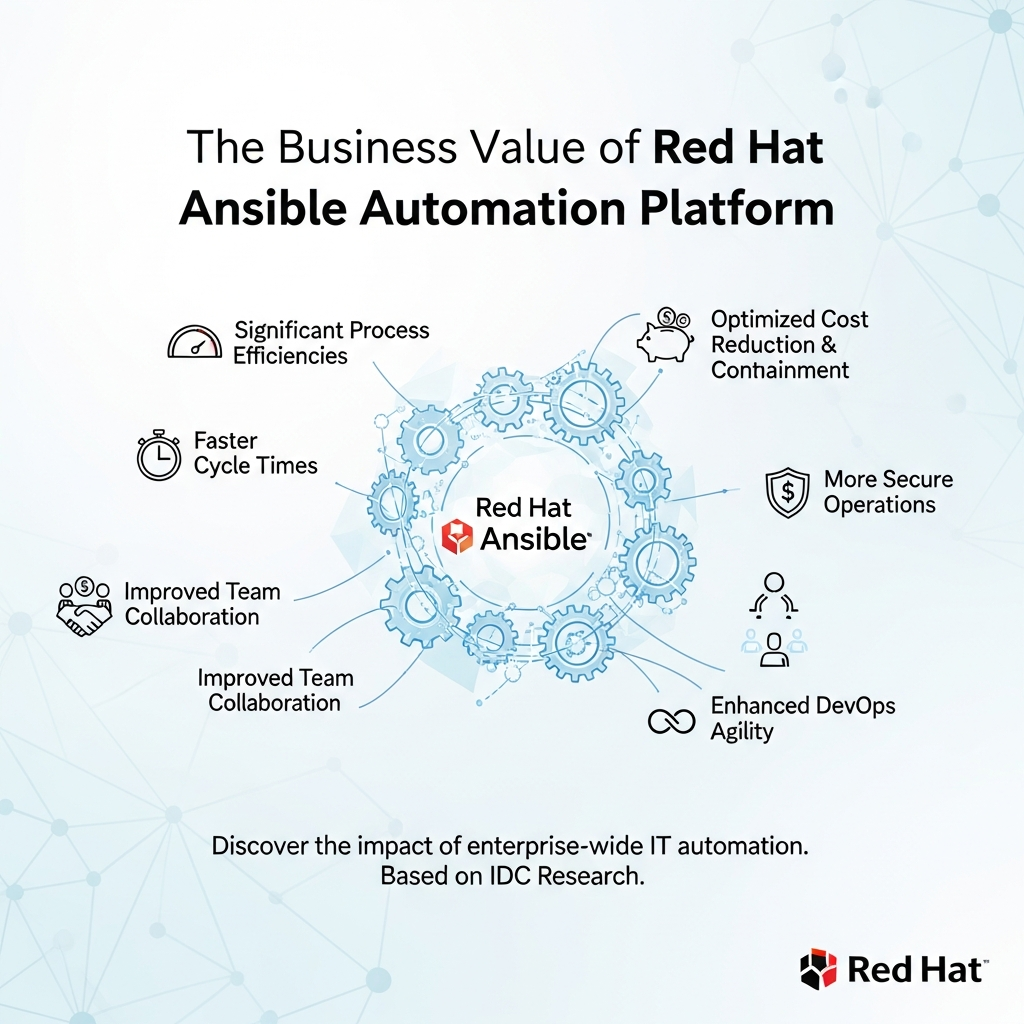
- Increased Efficiency: Automate repetitive tasks to free up valuable time and resources.
- Reduced Errors: Minimize human errors through automated processes.
- Faster Time-to-Market: Accelerate the release of new features and updates.
- Improved Customer Experience: Provide faster, more reliable services.
- Cost Savings: Reduce operational costs through optimized processes.
The DevOps Methodology: Your Automation Partner
DevOps is a cultural and philosophical shift that emphasizes collaboration, automation, and continuous improvement. It provides the perfect framework for enterprise automation. Here’s how DevOps principles support your automation journey:
- Collaboration: Breaks down silos between development and operations teams.
- Continuous Integration/Continuous Delivery (CI/CD): Automates the build, test, and deployment pipeline.
- Infrastructure as Code (IaC): Manages infrastructure through code, enabling automation and consistency.
- Monitoring and Feedback: Continuously monitors systems and gathers feedback for improvement.
Key Areas for Enterprise Automation
To successfully implement enterprise automation with DevOps, focus on these key areas:
- Infrastructure Automation:
- Use tools like Terraform or Ansible to automate server provisioning, configuration, and management.
- Ensure consistent infrastructure across all environments.
- Application Deployment Automation:
- Implement CI/CD pipelines using tools like Jenkins, GitLab CI, or CircleCI.
- Automate the build, testing, and deployment processes.
- Testing Automation:
- Automate unit, integration, and end-to-end tests.
- Use tools like JUnit, Selenium, or Cypress.
- Monitoring and Alerting:
- Implement comprehensive monitoring solutions using tools like Prometheus, Grafana, or Datadog.
- Set up alerts to detect and address issues proactively.
- Configuration Management:
- Automate configuration tasks using tools like Ansible, Chef, or Puppet.
- Ensure consistency and manage configurations across all systems.
Tips for Successful Enterprise Automation
Follow these tips to maximize the success of your enterprise automation initiatives:
- Start Small: Begin with automating a few key processes to build experience and demonstrate value.
- Choose the Right Tools: Select tools that fit your specific needs and team expertise.
- Foster Collaboration: Encourage communication and collaboration between development and operations teams.
- Implement CI/CD: Adopt CI/CD practices to streamline your software delivery pipeline.
- Automate Testing: Integrate automated testing into your CI/CD pipeline.
- Monitor and Optimize: Continuously monitor your automated processes and optimize them for performance and efficiency.
- Provide Training: Ensure your team is well-trained on the tools and processes you implement.
- Focus on Security: Integrate security into your automation processes from the start.
Conclusion
Enterprise automation with a DevOps methodology is essential for thriving in the digital age. By focusing on automation, collaboration, and continuous improvement, you can build a more agile, efficient, and customer-centric business. Embrace the journey, and watch your organization transform.
FAQ’s
Q: What are the main benefits of enterprise automation?
A: Increased efficiency, reduced errors, faster time-to-market, improved customer experience, and cost savings.
Q: What is the role of DevOps in enterprise automation?
A: DevOps provides the cultural and methodological framework to support collaboration, automation, and continuous improvement, crucial for successful enterprise automation.
Q: How do I choose the right automation tools?
A: Consider your specific needs, team expertise, and the complexity of the tasks you want to automate. Research and test different tools before making a final decision.
Q: What are some common areas to automate in an enterprise environment?
A: Infrastructure provisioning, application deployment, testing, monitoring, and configuration management are key areas to focus on.
Q: How do I get started with enterprise automation?
A: Start small by automating a few key processes, choose the right tools, foster collaboration, implement CI/CD, and continuously monitor and optimize your processes.
“`