
Author : Redhat
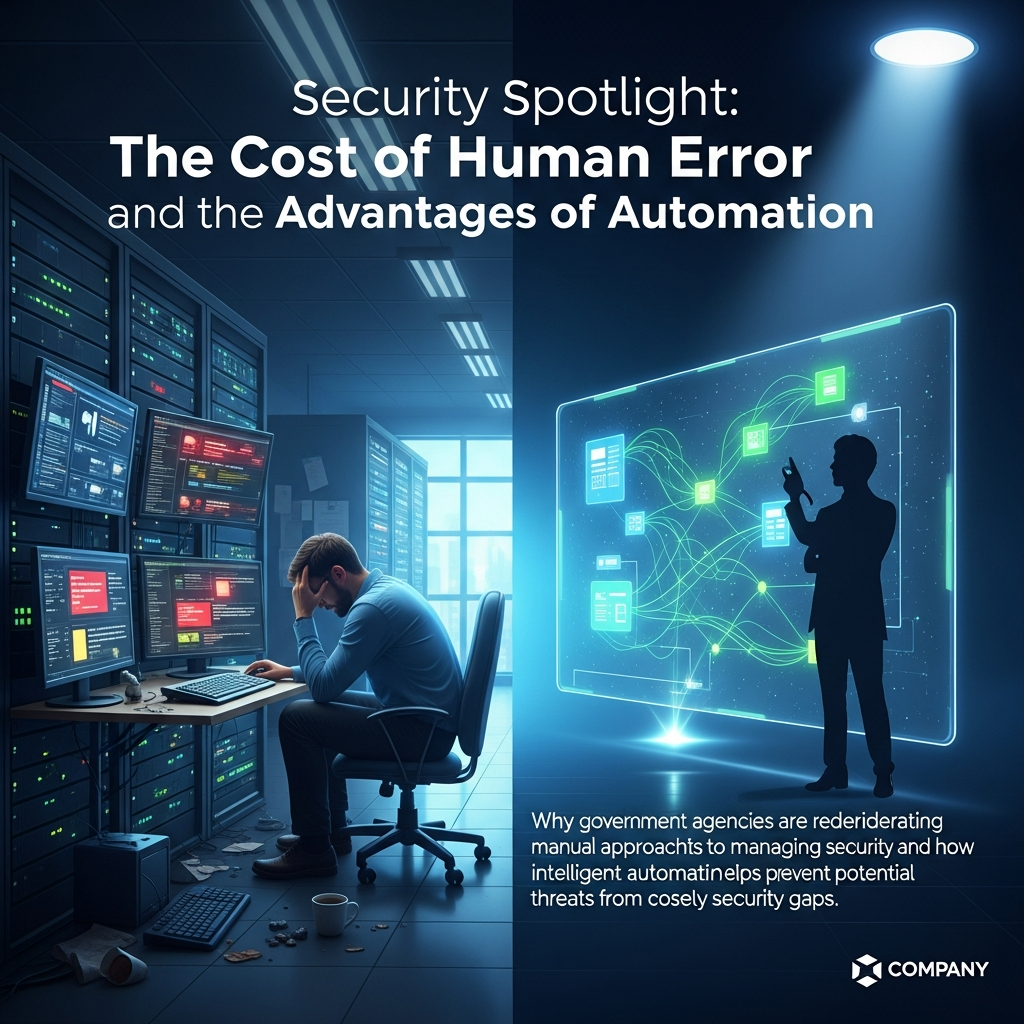
Security Spotlight: The Cost of Human Error and the Advantages of Automation
Summary
In today’s complex digital landscape, security breaches are a constant threat. This post explores the significant role of human error in security vulnerabilities and highlights how intelligent automation can significantly mitigate these risks. You’ll learn about the financial and operational impact of human mistakes, the benefits of automating security tasks, and how government agencies and other organizations are leveraging automation to strengthen their defenses and prevent costly security gaps.
Introduction
In the ever-evolving world of cybersecurity, staying ahead of threats is a constant challenge. One of the most significant vulnerabilities organizations face is human error. From clicking phishing links to misconfiguring systems, the mistakes humans make can have devastating consequences. This blog post delves into the high cost of these errors and explores how security automation offers a powerful solution.
The Cost of Human Error in Security
Human error is a leading cause of security incidents, and the costs can be substantial. These costs go far beyond the immediate financial impact and can include reputational damage, legal ramifications, and loss of productivity. Consider these key factors:
- Financial Losses: Data breaches and security incidents can result in significant financial losses, including incident response costs, regulatory fines, and legal fees.
- Reputational Damage: A security breach can severely damage an organization’s reputation, leading to a loss of customer trust and potential business decline.
- Operational Downtime: Security incidents can disrupt business operations, leading to downtime, reduced productivity, and missed deadlines.
- Legal and Compliance Risks: Failure to comply with data privacy regulations (like GDPR or CCPA) can result in hefty fines and legal action.
Advantages of Automation in Security
Security automation offers a proactive and efficient way to address the vulnerabilities associated with human error. By automating repetitive tasks, you can reduce the likelihood of mistakes and improve overall security posture. Here’s how automation helps:
- Reduced Human Error: Automating tasks such as vulnerability scanning, patch management, and security monitoring minimizes the potential for human error.
- Improved Efficiency: Automation allows security teams to focus on strategic tasks rather than spending time on manual, repetitive processes.
- Faster Response Times: Automated incident response can quickly detect and contain threats, minimizing the impact of security breaches.
- Enhanced Compliance: Automation can help ensure compliance with security policies and regulations by enforcing consistent security practices.
- Cost Savings: Over time, automation can lead to significant cost savings by reducing the need for manual labor and minimizing the financial impact of security incidents.
Why Government Agencies are Reconsidering Manual Security Approaches
Government agencies are increasingly turning to security automation to protect sensitive data and critical infrastructure. The complexity of modern cyber threats and the need for rapid responses necessitate a more sophisticated approach. Manual security processes are often too slow and prone to errors to effectively combat today’s sophisticated attacks. Intelligent automation provides:
- Proactive Threat Detection: Automation can identify and respond to threats in real-time, preventing breaches before they cause damage.
- Consistent Security Enforcement: Automated policies ensure that security measures are consistently applied across all systems and networks.
- Improved Incident Response: Automation can streamline incident response, enabling rapid containment and remediation of security incidents.
How to Implement Security Automation
Implementing security automation is a strategic process. Here’s how to get started:
- Assess Your Current Security Posture: Identify areas where automation can provide the most benefit.
- Choose the Right Tools: Select automation tools that align with your security goals and infrastructure.
- Start Small and Scale Up: Begin with pilot projects to test and refine your automation strategies.
- Integrate Automation into Your Security Operations: Ensure automation is seamlessly integrated into your existing security workflows.
- Provide Training: Train your team on how to manage and use automated security tools effectively.
Conclusion
Human error will always be a factor in security, but you can significantly reduce its impact through intelligent automation. By embracing automation, you can improve your security posture, reduce costs, and protect your organization from costly breaches. Take the first step today and explore how automation can transform your security strategy.
Frequently Asked Questions (FAQ)
Q: What are the biggest benefits of security automation?
A: The biggest benefits include reduced human error, improved efficiency, faster response times, and enhanced compliance.
Q: What types of tasks can be automated?
A: Many tasks can be automated, including vulnerability scanning, patch management, security monitoring, and incident response.
Q: How do I choose the right security automation tools?
A: Select tools that align with your security goals, integrate well with your existing infrastructure, and offer the features you need to address your specific security challenges.
Q: What is the ROI of security automation?
A: The ROI of security automation includes reduced incident response costs, decreased downtime, and fewer regulatory fines.
“`