

Author : VMWARE
The Cybersecurity Industry is Broken: How Leveraging Your IT Infrastructure Can Overcome Security’s Greatest Structural Challenge
In today’s digital landscape, cybersecurity is no longer just an IT issue; it’s a business imperative. Unfortunately, the cybersecurity industry, despite massive investment, is struggling to keep pace with the evolving threat landscape. This blog post explores why the industry is facing such challenges and, more importantly, how you can leverage your existing IT infrastructure to fortify your defenses and overcome these hurdles.
Summary
The cybersecurity industry is grappling with a significant crisis, as evidenced by the escalating frequency and sophistication of cyberattacks. This post will delve into the core structural challenges, including the rapid growth of cybercrime, the limitations of current security approaches, and the critical importance of a proactive, infrastructure-centric strategy to safeguard your organization. We will explore how you can fortify your defenses by maximizing the potential of your existing IT assets.
Introduction: An Industry in Crisis
The numbers paint a grim picture. Investments in cyber technology have surged, growing at nearly twice the rate of overall IT spending. Yet, despite this massive influx of resources, the cybersecurity industry is losing ground. The World Economic Forum predicts that the dark web will become the third-largest economy globally. Cyberattacks are not only increasing in frequency, but they are also becoming more complex and targeted.
During the first five months of 2020, attacks against the financial sector surged, with ransomware attacks experiencing a staggering 900% increase. Cybercriminals are constantly innovating, employing sophisticated methods such as ransomware campaigns, business email compromise (BEC) scams, and access mining to exploit vulnerabilities and steal data. They are also pooling resources and reinvesting their illicit gains to develop even more destructive capabilities.
Why is the Cybersecurity Industry Struggling?
Several factors contribute to the cybersecurity industry’s struggle:
- The Evolving Threat Landscape: Cyber threats are constantly evolving, with new attack vectors and sophisticated techniques emerging daily.
- Skills Gap: There’s a significant shortage of skilled cybersecurity professionals, making it difficult for organizations to find and retain the talent needed to defend against threats.
- Reactive Approach: Many organizations take a reactive approach to cybersecurity, responding to incidents rather than proactively preventing them.
- Siloed Security: Security solutions are often implemented in silos, lacking integration and visibility across the entire IT infrastructure.
Leveraging Your IT Infrastructure for Enhanced Security
The good news is that you don’t necessarily need to overhaul your entire security infrastructure. By strategically leveraging your existing IT assets, you can significantly enhance your security posture. Here’s how:
- Inventory and Assessment: Conduct a comprehensive inventory of your IT assets, including hardware, software, and data. Identify vulnerabilities and prioritize areas that require immediate attention.
- Implement a Defense-in-Depth Strategy: Layer your security controls, incorporating multiple layers of protection, such as firewalls, intrusion detection systems, endpoint security, and data loss prevention (DLP) solutions.
- Strengthen Access Controls: Implement strong password policies, multi-factor authentication (MFA), and role-based access control (RBAC) to limit access to sensitive data and systems.
- Regular Patching and Updates: Keep your software and systems up-to-date with the latest security patches. Automate the patching process to ensure timely updates.
- Security Awareness Training: Educate your employees about cybersecurity threats and best practices. Conduct regular training sessions and phishing simulations to reinforce security awareness.
- Incident Response Plan: Develop and regularly test an incident response plan to ensure you can effectively respond to and recover from security incidents.
- Monitor and Analyze: Implement robust monitoring and logging to detect suspicious activity. Analyze logs and security events to identify and respond to threats in real-time.
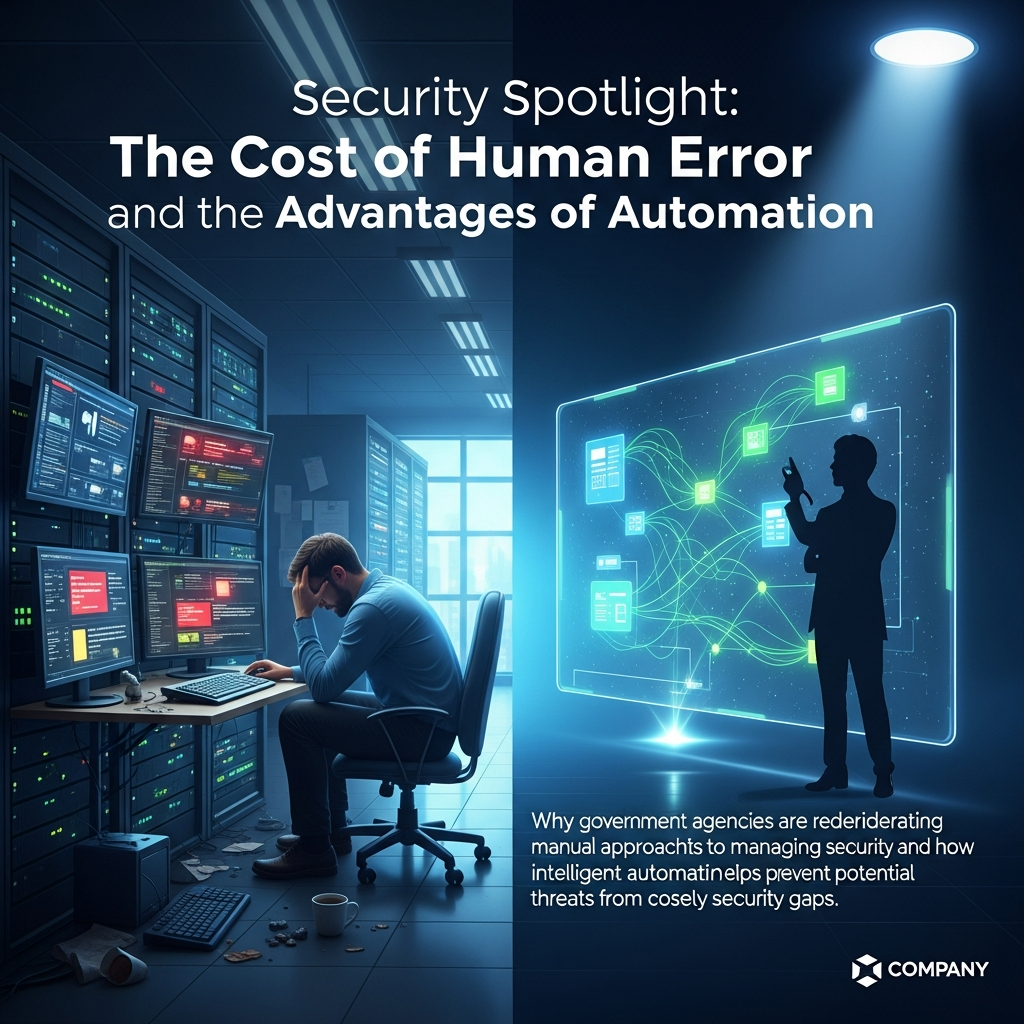
- Embrace Automation: Automate security tasks such as threat detection, incident response, and vulnerability management to improve efficiency and reduce the workload on your security team.
Conclusion: Taking Control of Your Cybersecurity
The cybersecurity industry faces significant challenges, but that doesn’t mean you’re powerless. By taking a proactive approach and leveraging your existing IT infrastructure, you can significantly improve your security posture and protect your organization from cyber threats. Remember, cybersecurity is an ongoing process, not a destination. Stay vigilant, adapt to the changing threat landscape, and invest in your organization’s security.
Frequently Asked Questions (FAQ)
Q: What is the biggest challenge facing the cybersecurity industry today?
A: The rapid evolution of cyber threats and the shortage of skilled cybersecurity professionals.
Q: How can I improve my organization’s security posture?
A: By implementing a defense-in-depth strategy, strengthening access controls, conducting regular patching and updates, providing security awareness training, developing an incident response plan, and monitoring your systems.
Q: Is it necessary to invest in expensive new security tools?
A: Not necessarily. You can significantly improve your security by effectively utilizing the tools and infrastructure you already have. Consider investing in new tools only after assessing your current environment and identifying specific gaps.
Q: How often should I update my security protocols?
A: Cyber threats are constantly evolving, so it’s important to review and update your security protocols regularly, at least annually, and after any significant changes to your IT infrastructure.
“`