
Author : YELLOW
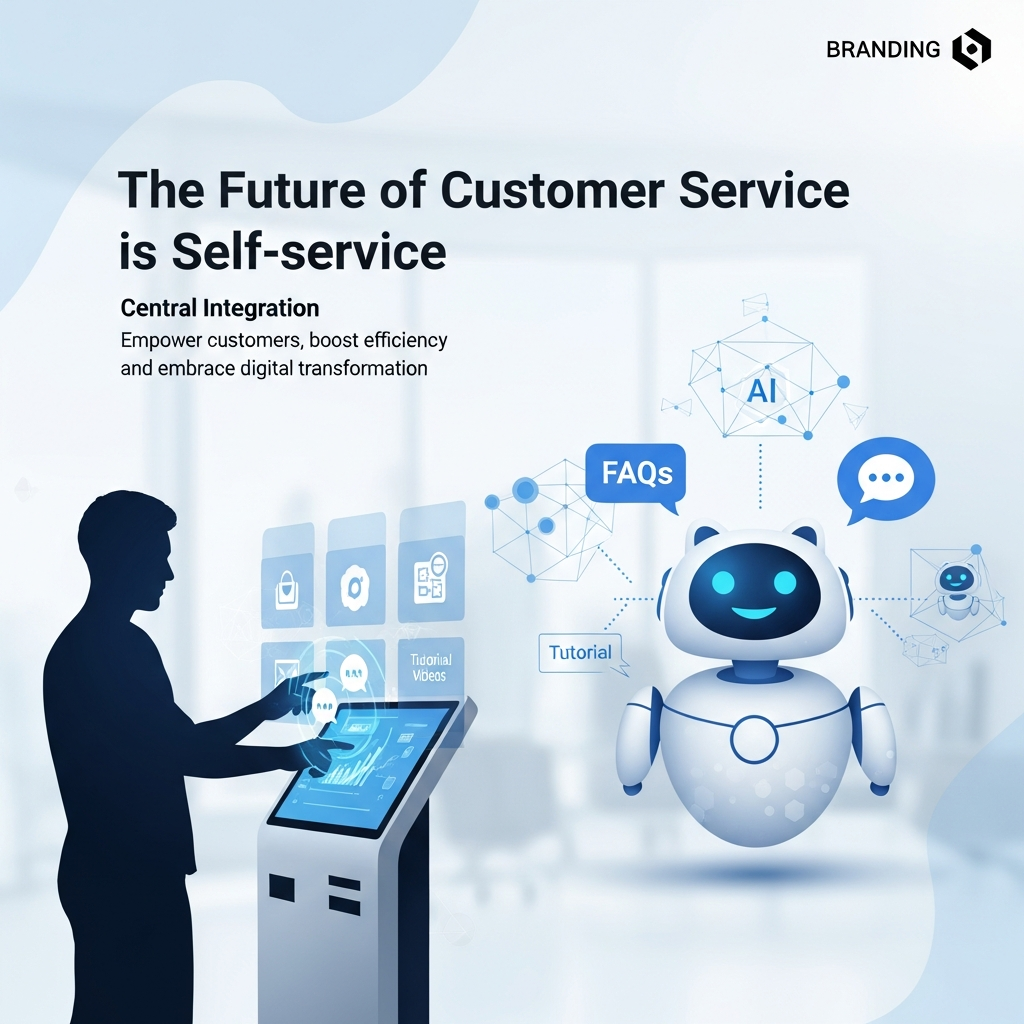
The Future of Customer Service is Self-service
Summary
Embrace the digital revolution! This post explores how self-service is reshaping customer service. Discover the benefits of empowering your customers, the key technologies driving this shift, and practical tips for implementation. Learn how self-service can improve customer satisfaction, reduce costs, and give your business a competitive advantage in today’s fast-paced world.
Today, enterprises are undergoing rapid digital transformation. As the world embraces a post-COVID-19 work scenario, companies are innovating their marketing, sales, and customer support strategies to fit the scene. For any business to thrive, the adoption of new technologies is imperative. Now more than ever, imagination is important for devising and executing novel ways to bridge the gap between demand and supply. Innovative strategies that are effective are always catalyzed by technology – specifically automation. The power of AI enables organizations to scale and accelerate business functions, resulting in efficiency and efficacy. The applications of artificial intelligence are endless, and it’s up to thought leaders and decision-makers to understand and internalize the concept to think of new, innovative ways of decimating business issues, generating additional streams of revenue, and gaining a competitive edge. Enterprises that adapt and adjust their business models to incorporate digital technologies, re-imagine their customer journeys for current and future needs, and implement AI solutions are the economic moguls of tomorrow.
Introduction
Customer service is undergoing a massive transformation. The old model of waiting on hold or navigating endless email chains is quickly becoming obsolete. The future is here, and it’s all about empowering your customers to find solutions on their own terms. This shift towards self-service isn’t just a trend; it’s a fundamental change in how businesses interact with their customers. In this guide, we’ll explore why self-service is the future of customer service, the technologies driving this change, and how you can implement it for your business.
Why Self-service? The Benefits
Self-service offers a multitude of benefits for both your customers and your business:
- Improved Customer Satisfaction: Customers get instant answers, leading to higher satisfaction levels.
- 24/7 Availability: Self-service options are available around the clock, catering to global audiences.
- Reduced Costs: Automating customer support reduces the need for human agents, lowering operational costs.
- Increased Efficiency: Free up your support agents to handle complex issues that require human intervention.
- Enhanced Customer Experience: Provide a seamless and personalized experience that keeps customers coming back.
Key Technologies Driving Self-service
Several technologies are at the forefront of the self-service revolution:
- Chatbots: AI-powered chatbots can handle a wide range of customer inquiries, providing instant support.
- Knowledge Bases: Comprehensive online databases that offer answers to frequently asked questions and tutorials.
- FAQ Sections: Clearly organized FAQs address common customer concerns.
- Self-service Portals: Allow customers to manage their accounts, track orders, and find support resources.
- AI-powered Virtual Assistants: More sophisticated than chatbots, these assistants can understand context and offer personalized solutions.
Implementing Self-service: A Step-by-Step Guide
Ready to embrace self-service? Follow these steps to get started:
- Assess Your Needs: Analyze your current customer service data to identify common issues and areas for improvement.
- Choose the Right Tools: Select the self-service technologies that best fit your business needs and budget.
- Create High-Quality Content: Develop clear, concise, and easy-to-understand content for your knowledge base, FAQs, and chatbots.
- Train Your Team: Ensure your support staff is trained on how to use and manage the self-service tools.
- Promote Your Self-service Options: Make your self-service resources visible on your website, in your app, and in your communications.
- Gather Feedback and Iterate: Regularly collect customer feedback to identify areas for improvement and refine your self-service offerings.
Tips for Success
- Keep it Simple: Make your self-service options easy to navigate and understand.
- Be Proactive: Anticipate customer needs and provide solutions before they even ask.
- Personalize the Experience: Use customer data to offer tailored support and recommendations.
- Integrate Seamlessly: Ensure your self-service tools integrate smoothly with your existing systems.
- Offer Human Support: Always provide a clear path for customers to connect with a human agent when needed.
Conclusion
The future of customer service is undoubtedly self-service. By embracing this shift, you can improve customer satisfaction, reduce costs, and gain a competitive edge. The time to act is now. Start implementing self-service solutions and transform your customer service strategy today.
FAQ’s
What is self-service in customer service?
Self-service in customer service empowers customers to find answers and solutions to their questions and issues independently, without needing to contact a human agent.
What are the key benefits of self-service?
Key benefits include improved customer satisfaction, 24/7 availability, reduced costs, increased efficiency, and an enhanced customer experience.
What technologies are used for self-service?
Popular technologies include chatbots, knowledge bases, FAQ sections, self-service portals, and AI-powered virtual assistants.
How can I implement self-service for my business?
Start by assessing your needs, choosing the right tools, creating high-quality content, training your team, promoting your self-service options, and gathering feedback.
How do I ensure a successful self-service implementation?
Keep it simple, be proactive, personalize the experience, integrate seamlessly, and always offer a path to human support.
“`