
Author : THREATLOCKER
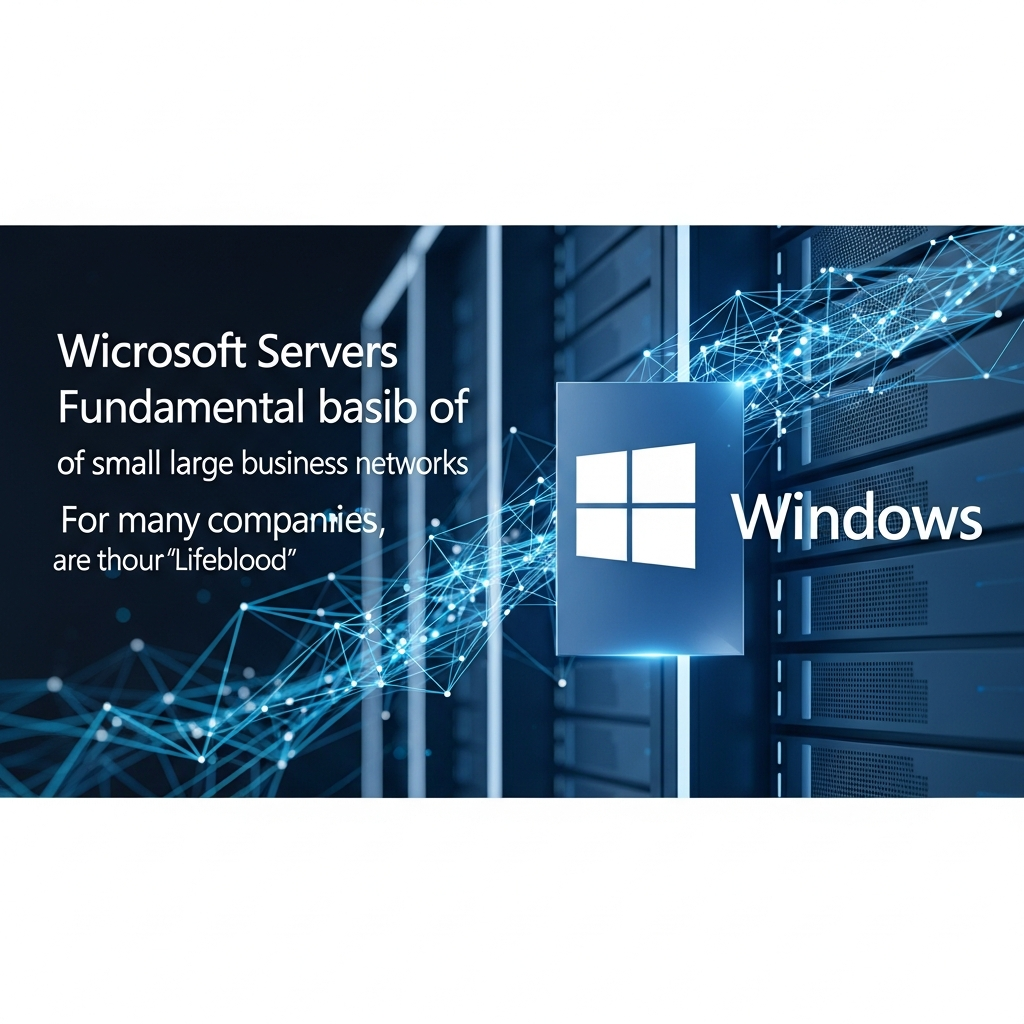
Microsoft Windows Servers: The Backbone of Business Networks
Summary
Microsoft Windows Servers have been a cornerstone of business IT infrastructure since the early 2000s, providing essential services for organizations of all sizes. This comprehensive guide explores the importance of Windows Servers, their key features, benefits, and best practices for optimal performance and security. Whether you’re a seasoned IT professional or new to server management, this post will provide valuable insights into leveraging Windows Servers to support your business goals.
Introduction
For many businesses, Microsoft Windows Servers are more than just a piece of hardware; they are the very lifeblood of their operations. Since their widespread adoption in the early 2000s, Windows Servers have evolved to become a robust and versatile platform, supporting a wide range of critical business functions. From file and print services to application hosting and database management, these servers play a vital role in keeping your business running smoothly and efficiently.
This guide will delve into the world of Windows Servers, helping you understand their significance and how to harness their power to drive your business forward. We’ll cover everything from the fundamental benefits to the best practices for ensuring peak performance and security.
Why Windows Servers Matter
Windows Servers offer a multitude of advantages that make them a preferred choice for businesses of all sizes:
- Reliability: Windows Servers are designed for high availability, minimizing downtime and ensuring continuous access to critical resources.
- Scalability: They can easily scale to meet the growing demands of your business, accommodating more users, applications, and data.
- Security: Microsoft provides regular security updates and a suite of security features to protect your data and infrastructure from threats.
- Compatibility: Windows Servers are compatible with a wide range of hardware and software, ensuring seamless integration with your existing IT environment.
- Ease of Management: User-friendly interfaces and management tools simplify server administration, reducing the need for specialized expertise.
Key Features and Benefits
Windows Servers come equipped with a rich set of features that empower businesses to achieve their goals. Here are some of the most important ones:
- Active Directory: Centralized user and resource management, simplifying access control and security policies.
- File and Print Services: Efficiently share files and printers across your network, enhancing collaboration and productivity.
- Application Hosting: Run a variety of applications, from web servers to line-of-business applications, on a stable and secure platform.
- Virtualization: Utilize technologies like Hyper-V to create and manage virtual machines, optimizing resource utilization and reducing hardware costs.
- Remote Desktop Services: Enable secure remote access to your servers and applications from anywhere, anytime.
- Enhanced Security Features: Built-in firewalls, intrusion detection systems, and regular security updates help protect your data from threats.
Best Practices for Windows Server Management
To maximize the performance, security, and reliability of your Windows Servers, follow these best practices:
- Regular Updates: Install security updates and patches promptly to protect against vulnerabilities.
- Proactive Monitoring: Continuously monitor server performance, resource utilization, and security events to identify and resolve issues quickly.
- Strong Security Policies: Implement strong password policies, access controls, and security configurations to protect your data.
- Regular Backups: Back up your data regularly to ensure business continuity in case of data loss or system failure.
- Performance Optimization: Optimize server settings, storage configurations, and applications to maximize performance and efficiency.
- Virtualization: Leverage virtualization technologies for optimal resource utilization.
Conclusion
Microsoft Windows Servers remain a critical component of modern business networks, providing the foundation for productivity, collaboration, and security. By understanding the key features, benefits, and best practices outlined in this guide, you can leverage the power of Windows Servers to drive your business forward and achieve your strategic objectives. Embrace these strategies, and watch your business thrive.
Frequently Asked Questions (FAQ)
- What are the different versions of Windows Server available? Microsoft offers various versions of Windows Server, including Standard, Datacenter, and Essentials editions. The choice of edition depends on your business needs and budget.
- How often should I update my Windows Server? Microsoft releases regular security updates and patches. You should install these updates as soon as possible to protect your server from security threats. Consider automating the update process.
- What are the key security considerations for Windows Servers? Focus on strong password policies, regular security audits, implementing a firewall, and regularly updating your server.
- How can I improve the performance of my Windows Server? Monitor server performance, optimize storage configurations, and ensure your server has adequate resources (CPU, RAM, storage). Consider virtualization for resource efficiency.
- What are the benefits of using Active Directory? Active Directory simplifies user management, centralizes security policies, and enhances resource management across your network.
“`