
Author : Diligent
Third-party Risk Management Essentials: A Comprehensive Guide
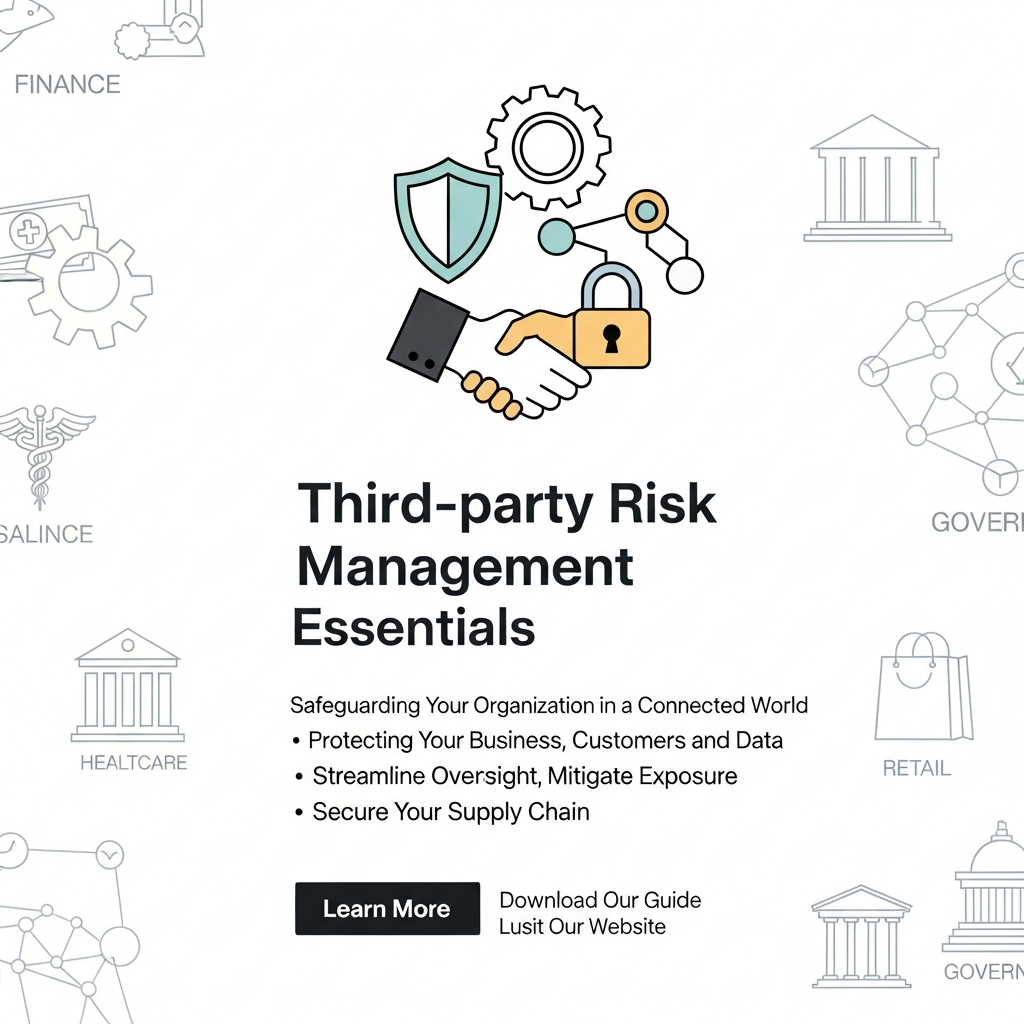
From big banks and university hospitals to retail fashion chains and every level of government, organizations around the world rely on third parties to provide products and services to keep them running effectively and efficiently. Outsourcing responsibilities to a third party helps you better serve customers, grow revenues, and cut costs. But, are you managing the risks associated with these partnerships effectively?
Introduction
In today’s interconnected world, third-party relationships are crucial for business success. They can bring innovation, specialized expertise, and cost savings. However, they also introduce significant risks. Third-party risk management (TPRM) is the process of identifying, assessing, and mitigating the risks associated with your organization’s use of third-party vendors, suppliers, and service providers. This guide will provide you with the essentials of TPRM, helping you protect your organization from potential threats and ensure the success of your third-party relationships.
Understanding the Importance of Third-party Risk Management
Third-party relationships are not without their perils. If a third party experiences a data breach, suffers a financial loss, or fails to meet contractual obligations, your organization can also suffer significant consequences. These consequences can include:
- Financial losses
- Reputational damage
- Legal and regulatory penalties
- Operational disruptions
Effective TPRM is not just about avoiding problems; it’s about building resilient and reliable partnerships. It’s about ensuring that your third parties align with your values, business goals, and risk tolerance.
Key Components of a Successful Third-party Risk Management Program
Implementing a successful TPRM program involves several key components:
- Risk Assessment: Identify and assess the risks associated with each third party based on the criticality of the services they provide, the sensitivity of the data they handle, and their overall risk profile.
- Due Diligence: Conduct thorough due diligence before engaging with a third party. This includes reviewing their financial stability, security practices, compliance with regulations, and reputation.
- Contract Management: Establish clear contracts that define expectations, service level agreements (SLAs), and security requirements. Ensure contracts include provisions for ongoing monitoring and the right to audit.
- Ongoing Monitoring: Continuously monitor third-party performance and risk profiles. This may involve regular reviews, audits, and security assessments.
- Incident Response: Develop a plan for responding to incidents involving third parties. This should include clear communication protocols, escalation procedures, and remediation steps.
Tips for Effective Third-party Risk Management
To enhance your TPRM program, consider these helpful tips:
- Categorize Third Parties: Group your third parties based on their risk level and the services they provide. This allows you to prioritize your efforts and tailor your approach.
- Automate Processes: Leverage technology to automate risk assessments, due diligence, and monitoring. This can improve efficiency and reduce the likelihood of human error.
- Establish Clear Communication Channels: Maintain open and transparent communication with your third parties. This helps build trust and facilitates early detection of potential problems.
- Regularly Review and Update Your Program: TPRM is not a one-time effort. Continuously review and update your program to adapt to changes in the business environment, evolving threats, and regulatory requirements.
- Provide Training: Ensure your employees understand the importance of TPRM and their roles in the process. Training helps to create a culture of risk awareness.
Conclusion
Third-party risk management is no longer optional; it’s essential for protecting your organization’s assets, reputation, and long-term success. By understanding the key components of a TPRM program and implementing the tips provided, you can build strong, secure, and mutually beneficial relationships with your third-party partners. This proactive approach will help you navigate the complexities of the modern business landscape and achieve your goals with confidence.
Frequently Asked Questions (FAQ)
“`