
Author : Paloaolto
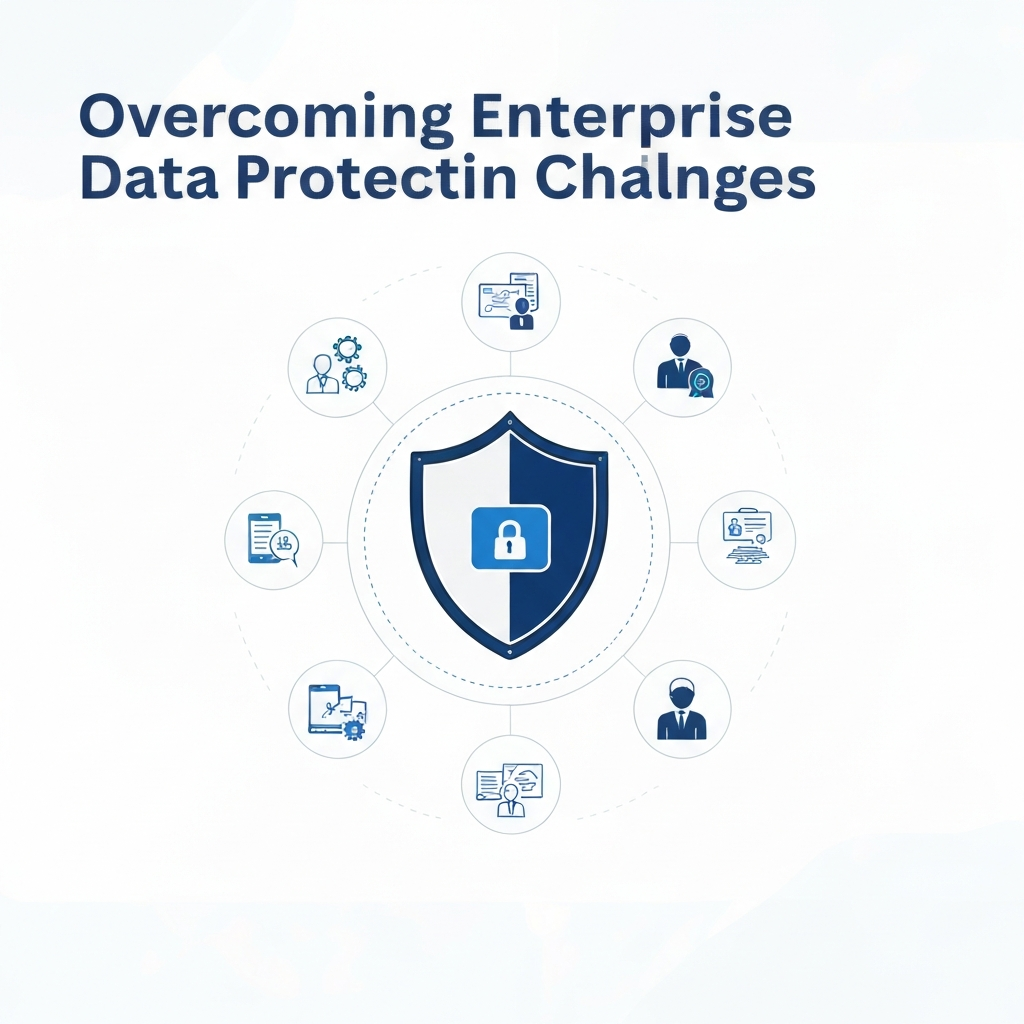
Overcoming Enterprise Data Protection Challenges
In today’s fast-paced digital world, data is the lifeblood of every organization. Protecting this vital asset is no longer optional; it’s a fundamental requirement for survival and success. However, the data landscape has transformed dramatically in recent years. The explosion in data volume, the speed at which it’s generated, and its constant movement beyond traditional corporate boundaries – fueled by cloud computing and remote work – have created complex challenges for enterprise data protection. This blog post serves as your comprehensive guide to navigating these challenges and building a robust data protection strategy.
Introduction
The evolution of data has been nothing short of revolutionary. From the rise of cloud services to the proliferation of mobile devices and the shift towards remote work, data now resides in countless locations and is constantly in transit. This shift has created significant hurdles for businesses trying to safeguard their valuable information. Traditional data protection methods, often fragmented and manual, struggle to keep pace with these changes, leaving organizations vulnerable to data breaches, compliance violations, and significant financial losses.
Key Challenges in Enterprise Data Protection
Let’s examine some of the most pressing challenges you face in protecting your enterprise data:
- Data Fragmentation: Data is no longer confined to on-premise servers. It’s spread across various clouds, SaaS applications, and endpoints, making it difficult to gain a unified view and implement consistent protection policies.
- Complexity: The sheer number of data protection tools and technologies can be overwhelming. Choosing the right solutions and integrating them effectively requires specialized expertise.
- Compliance Requirements: Regulations like GDPR, CCPA, and others impose strict requirements for data privacy and security. Failure to comply can result in hefty fines and reputational damage.
- Human Error: Employees are often the weakest link in data security. Mistakes, lack of awareness, and inadequate training can lead to data breaches and vulnerabilities.
- Evolving Threat Landscape: Cyber threats are constantly evolving, with sophisticated attacks like ransomware becoming increasingly common. Your protection strategy needs to adapt to stay ahead of these threats.
Strategies for Overcoming Data Protection Challenges
Implementing a robust data protection strategy requires a proactive and multifaceted approach. Here are some key strategies to consider:
- Embrace a Data-Centric Approach: Shift your focus from protecting infrastructure to protecting the data itself, regardless of where it resides.
- Implement Data Discovery and Classification: Understand where your sensitive data lives and classify it based on its sensitivity and business value. This enables you to prioritize protection efforts.
- Automate Data Protection Processes: Automate backup, recovery, and security policies to reduce manual errors and improve efficiency.
- Choose the Right Tools: Invest in comprehensive data protection solutions that offer features like data loss prevention (DLP), encryption, access controls, and threat detection.
- Strengthen Access Controls: Implement strong authentication, authorization, and least-privilege access to limit who can access sensitive data.
- Educate and Train Employees: Provide regular training on data security best practices to raise awareness and reduce the risk of human error.
- Regularly Test and Update Your Strategy: Conduct regular vulnerability assessments, penetration testing, and data recovery drills to identify weaknesses and ensure your strategy remains effective.
- Consider Data Backup and Disaster Recovery: Implement a robust backup and disaster recovery plan to ensure business continuity in case of data loss or a security incident.
- Leverage Cloud Security Services: Utilize cloud-native security services offered by your cloud providers to enhance data protection in the cloud.
Tips for Improving Data Protection
Here are some practical tips to help you improve your data protection posture:
- Conduct a Data Risk Assessment: Identify your organization’s specific data protection risks and vulnerabilities.
- Develop a Data Protection Policy: Create a clear and concise policy that outlines your organization’s data protection standards and procedures.
- Encrypt Sensitive Data: Encrypt data at rest and in transit to protect it from unauthorized access.
- Implement Multi-Factor Authentication (MFA): Add an extra layer of security to your accounts.
- Regularly Patch and Update Systems: Keep your software and systems up-to-date to address known vulnerabilities.
- Monitor Data Access and Activity: Implement monitoring tools to detect and respond to suspicious activity.
- Establish a Data Breach Response Plan: Develop a plan to effectively respond to data breaches and minimize the damage.
- Review and Update Your Strategy Regularly: Data protection is an ongoing process. Review and update your strategy regularly to adapt to changing threats and requirements.
Conclusion
Protecting your enterprise data is a critical undertaking that requires a proactive, strategic approach. By understanding the challenges, implementing the right strategies, and staying vigilant, you can significantly reduce your organization’s risk exposure and safeguard your valuable data assets. Remember, data protection is not just about technology; it’s about building a culture of security and awareness within your organization. Take the steps outlined in this guide and stay ahead of the curve in the ever-evolving world of data protection.
Frequently Asked Questions (FAQ)
- What is data loss prevention (DLP)? DLP is a security strategy that prevents sensitive data from leaving your organization’s control. It uses various techniques to monitor, detect, and block data exfiltration attempts.
- What is the difference between data backup and data recovery? Data backup is the process of creating copies of your data. Data recovery is the process of restoring data from a backup after a data loss event.
- How often should I back up my data? The frequency of your backups depends on your Recovery Point Objective (RPO) and Recovery Time Objective (RTO). Consider backing up critical data more frequently.
- What are some common data protection regulations? GDPR (Europe), CCPA (California), HIPAA (Healthcare), and PCI DSS (Payment Card Industry) are some of the most common regulations.
- How can I educate my employees about data protection? Provide regular training sessions, create awareness campaigns, and share security best practices through emails and internal communications.
Summary: Enterprise data protection is essential in today’s digital landscape. This blog post provides a comprehensive guide to help you navigate the challenges, implement effective strategies, and build a robust data protection plan. By understanding the key challenges, employing the right tools, and fostering a security-conscious culture, you can safeguard your organization’s valuable data.
“`