
Author : RARITAN
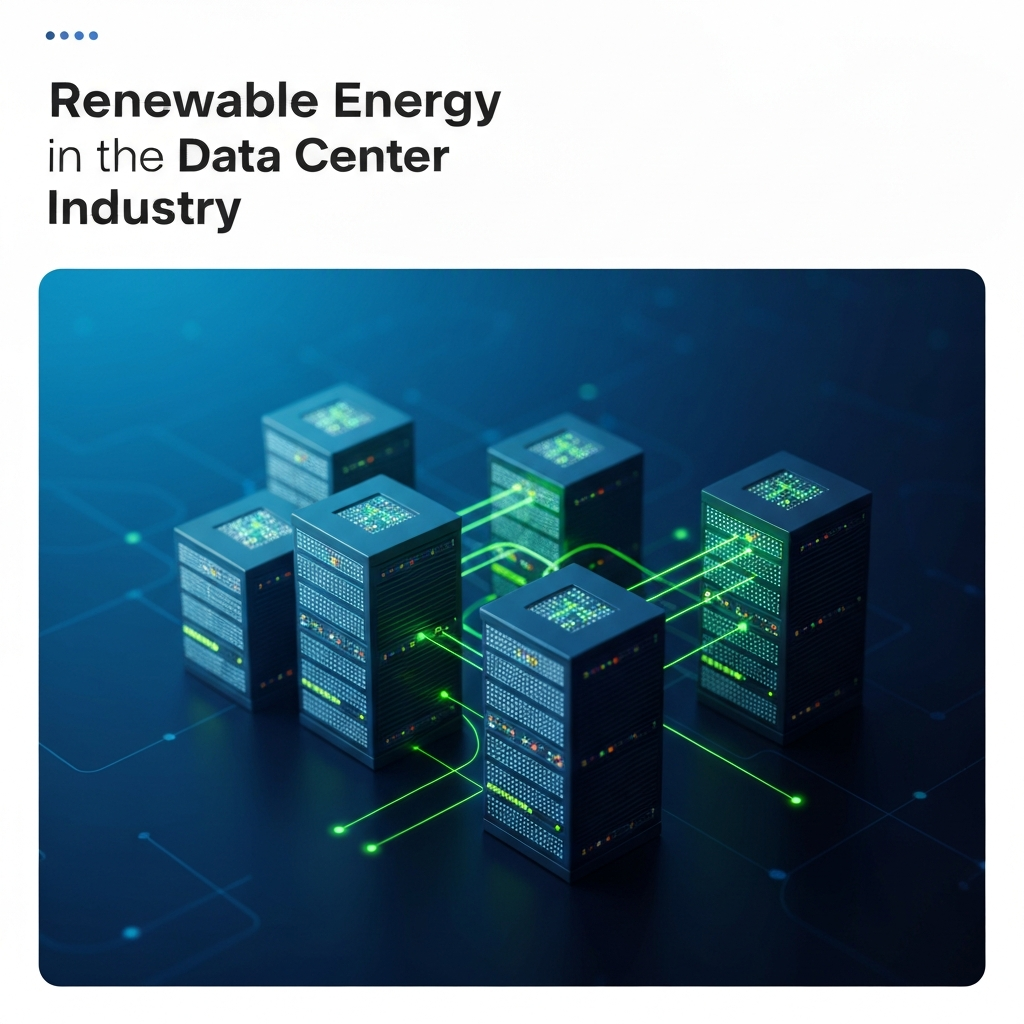
Renewable Energy in the Data Center Industry
In the evolving landscape of technological advancement, data centers have become the backbone of our digital world. However, their energy-intensive operations have raised significant concerns about environmental impact. As an SEO expert and senior content writer, I will walk you through the transformative potential of renewable energy in the data center industry.
Introduction
The digital age demands an ever-increasing amount of data storage and processing power. This has led to an exponential growth in the number and size of data centers globally. These facilities consume vast amounts of energy, contributing to a substantial carbon footprint. According to the U.S. Energy Information Administration, the United States has historically relied heavily on fossil fuels. The imperative to reduce this reliance, coupled with the rising costs and environmental concerns associated with traditional energy sources, makes the transition to renewable energy an urgent need for the data center industry.
The Urgent Need for Change
The historical dependence on fossil fuels, such as coal, oil, and natural gas, has driven the need for more sustainable solutions. The oil embargo of the 1970s and the establishment of the Environmental Protection Agency (EPA) highlighted the need for change. With this in mind, let’s explore why renewable energy is crucial for the future of data centers:
- Environmental Sustainability: Reducing carbon emissions and mitigating climate change.
- Cost Savings: Renewable energy sources can offer long-term cost benefits compared to volatile fossil fuel prices.
- Energy Independence: Reducing reliance on centralized grids and fossil fuel providers.
- Corporate Social Responsibility: Enhancing a company’s reputation and appeal to environmentally conscious stakeholders.
Key Renewable Energy Sources for Data Centers
Several renewable energy sources are suitable for powering data centers. Here are some of the most promising:
- Solar Power: Solar panels can be installed on rooftops or land near data centers to generate electricity.
- Wind Power: Wind turbines can provide a significant amount of electricity, especially in areas with strong winds.
- Hydropower: If available, hydropower can be a reliable source of clean energy.
- Geothermal Energy: Geothermal systems can provide both electricity and heating/cooling for data centers.
Implementing Renewable Energy: Strategies and Considerations
Transitioning to renewable energy requires careful planning and execution. Consider these factors:
- Site Selection: Choose locations with high solar irradiance, wind potential, or access to other renewable resources.
- Energy Efficiency: Optimize data center operations to reduce overall energy consumption. This includes using efficient cooling systems, virtualization, and advanced power management techniques.
- Power Purchase Agreements (PPAs): Partner with renewable energy providers through PPAs to secure a stable supply of clean energy.
- Energy Storage: Implement battery storage systems to store excess energy generated by renewables, ensuring a consistent power supply.
- Grid Integration: Work with local utilities to integrate renewable energy sources into the grid.
Benefits of Embracing Renewable Energy
Making the switch to renewable energy offers a multitude of advantages:
- Reduced Carbon Footprint: Significant decrease in greenhouse gas emissions.
- Cost Reduction: Lower long-term energy costs and protection against price volatility.
- Enhanced Brand Reputation: Improved public image and appeal to environmentally conscious customers.
- Compliance with Regulations: Meeting or exceeding environmental regulations and standards.
- Increased Energy Security: Greater control over energy sources and reduced reliance on fossil fuels.
Challenges and Solutions
While the benefits are clear, there are also challenges to overcome:
- High Initial Costs: Upfront investment in renewable energy infrastructure. However, government incentives and long-term savings can offset these costs.
- Intermittency: The availability of solar and wind power can fluctuate. Energy storage solutions and grid integration can mitigate this.
- Space Requirements: Large-scale renewable energy projects may require significant land or rooftop space. Careful planning and efficient use of space are crucial.
- Grid Infrastructure: The existing grid may need upgrades to handle renewable energy sources. Collaboration with utilities is essential.
Summary
The transition to renewable energy in the data center industry is not just an environmental imperative; it’s a strategic business decision. By embracing solar, wind, and other renewable sources, you can significantly reduce your environmental impact, lower costs, and enhance your brand reputation. Although challenges exist, the long-term benefits of a sustainable energy strategy are undeniable. Data centers that proactively adopt renewable energy will be well-positioned for future success in a rapidly changing world.
Conclusion
The future of data centers is inextricably linked with renewable energy. By embracing sustainable practices, you not only contribute to a healthier planet but also position your business for long-term success. Now is the time to explore and implement renewable energy solutions. Take the first step towards a greener, more sustainable future.
Frequently Asked Questions (FAQ)
Q: What are the primary benefits of using renewable energy in data centers?
A: Reduced carbon footprint, lower long-term energy costs, enhanced brand reputation, compliance with environmental regulations, and increased energy security.
Q: What renewable energy sources are best suited for data centers?
A: Solar power, wind power, hydropower, and geothermal energy.
Q: What are the main challenges of implementing renewable energy?
A: High initial costs, intermittency of some sources, space requirements, and grid infrastructure limitations.
Q: How can data centers overcome the intermittency of renewable energy sources?
A: By using energy storage solutions like batteries and through effective grid integration.
“`