
Author : THREATLOCKER
Microsoft Windows Servers: The Backbone of Business Networks
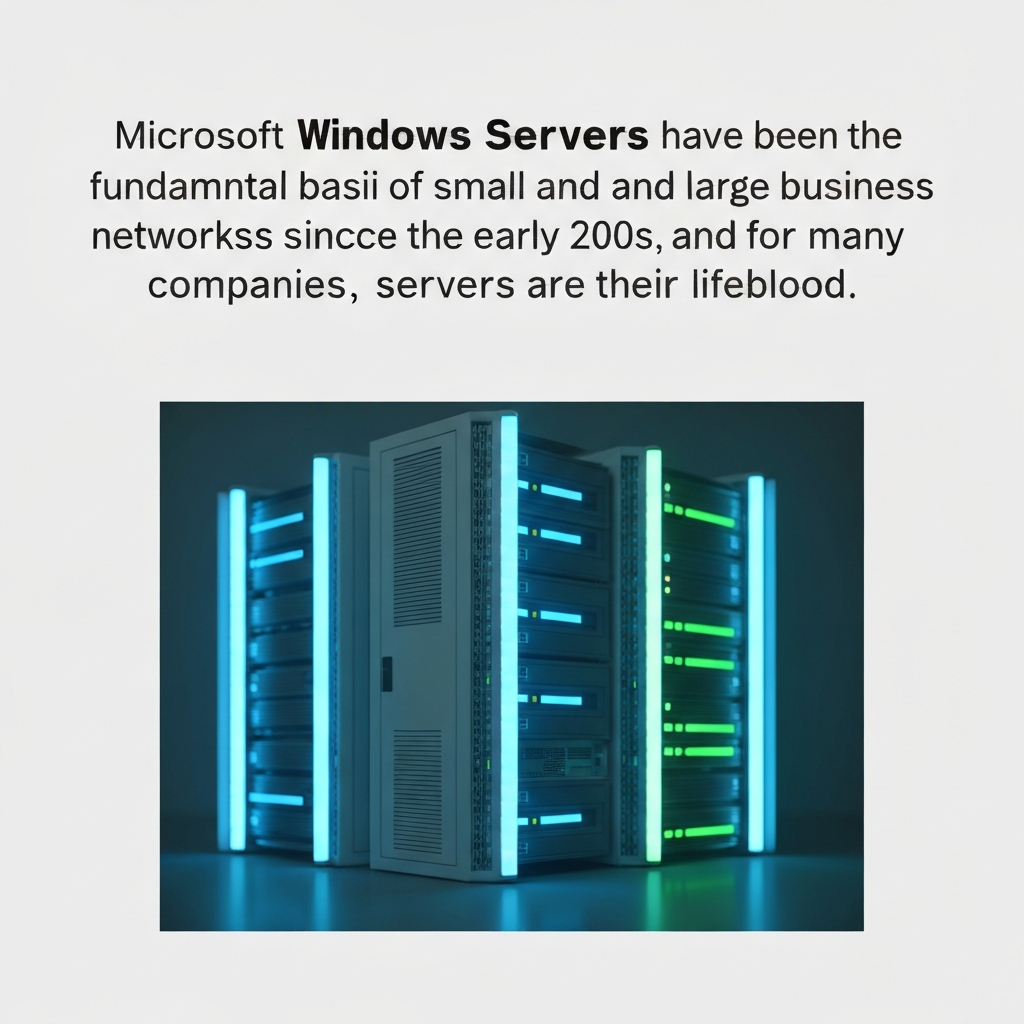
Since the early 2000s, Microsoft Windows Servers have been the fundamental basis of small and large business networks. For many companies, these servers are, quite literally, their lifeblood. They handle everything from file storage and application hosting to email services and security protocols. This guide delves into the significance of Windows Servers, exploring their evolution, key functionalities, and best practices for optimal performance and security. Whether you’re a seasoned IT professional or a business owner looking to understand your infrastructure better, this post is for you.
Introduction
Imagine your business without email, file sharing, or access to your critical applications. For many, that scenario is a stark reality when their Windows Server experiences downtime. Windows Servers provide the infrastructure necessary for these core functions, acting as a central hub for data, applications, and user management. Over the years, Microsoft has continuously updated its server offerings, adding new features, improving security, and optimizing performance. Understanding the basics of Windows Server is crucial for anyone managing or relying on a business network.
Key Functions of Windows Servers
Windows Servers offer a wide range of services designed to meet the diverse needs of businesses. Here are some of the most critical functionalities:
- File and Print Sharing: Allowing users to access and share files and printers across the network.
- User and Access Management: Controlling user accounts, permissions, and access rights to resources.
- Application Hosting: Running and managing critical business applications.
- Email Services: Providing email server capabilities through services like Exchange Server.
- Database Management: Hosting and managing databases like SQL Server.
- Security Services: Implementing firewalls, intrusion detection, and other security measures.
- Remote Access: Enabling remote access to the network through VPN and other remote access solutions.
- Web Services: Hosting websites and web applications.
Evolution and Key Features
From Windows Server 2000 to the latest versions, Microsoft has consistently added features to improve performance, security, and manageability. Key advancements include:
- Active Directory: Centralized user and resource management.
- Hyper-V: Virtualization technology allowing multiple operating systems to run on a single server.
- Improved Security: Regular security updates and enhanced security features.
- Cloud Integration: Integration with cloud services like Azure.
- Enhanced Performance: Faster processing and improved resource utilization.
Best Practices for Managing Windows Servers
Proper management of Windows Servers is essential for ensuring optimal performance, security, and reliability. Consider these best practices:
- Regular Updates: Keep the server software updated with the latest security patches and feature releases.
- Strong Security Measures: Implement strong passwords, firewalls, and intrusion detection systems.
- Regular Backups: Implement a robust backup and disaster recovery plan.
- Performance Monitoring: Monitor server performance and resource utilization to identify and address bottlenecks.
- User Training: Educate users on security best practices to prevent vulnerabilities.
- Virtualization: Leverage virtualization to optimize resource utilization and improve flexibility.
- Documentation: Keep detailed documentation of your server configuration and procedures.
Security Considerations
Security is paramount when it comes to Windows Servers. Here are a few important points to consider:
- Firewall Configuration: Properly configure the Windows Firewall to restrict unauthorized access.
- Regular Security Audits: Perform periodic security audits to identify and address vulnerabilities.
- Endpoint Protection: Implement endpoint protection solutions to protect against malware and other threats.
- Access Control: Implement strict access controls and adhere to the principle of least privilege.
- Two-Factor Authentication: Enable two-factor authentication for remote access and sensitive accounts.
Conclusion
Microsoft Windows Servers remain a cornerstone of modern business networks. By understanding their functions, evolution, and best practices, you can ensure your server infrastructure is secure, reliable, and optimized for performance. Staying informed about the latest updates and security measures is crucial in today’s ever-changing IT landscape. Implement these strategies, and you’ll be well-equipped to leverage the power of Windows Servers to support and grow your business.
FAQ’s
- What is the difference between Windows Server and Windows desktop operating systems?
- Windows Server is designed for enterprise environments, offering advanced features like centralized management, robust security, and the ability to handle multiple users and applications simultaneously. Desktop versions are built for individual use.
- How often should I update my Windows Server?
- Microsoft releases security updates regularly. It’s recommended to install these updates as soon as possible, after testing them in a non-production environment, to ensure the server is protected against the latest threats.
- What is Active Directory?
- Active Directory is a directory service developed by Microsoft that allows administrators to manage users, computers, and other resources within a network.
- Why is server virtualization important?
- Server virtualization allows you to run multiple virtual machines on a single physical server, improving resource utilization, reducing hardware costs, and simplifying management.
- What should I do if my server experiences a security breach?
- Immediately isolate the server from the network, investigate the breach to determine the extent of the damage, and implement your disaster recovery plan. Contact a cybersecurity professional for assistance.
“`