
Author : Diligent
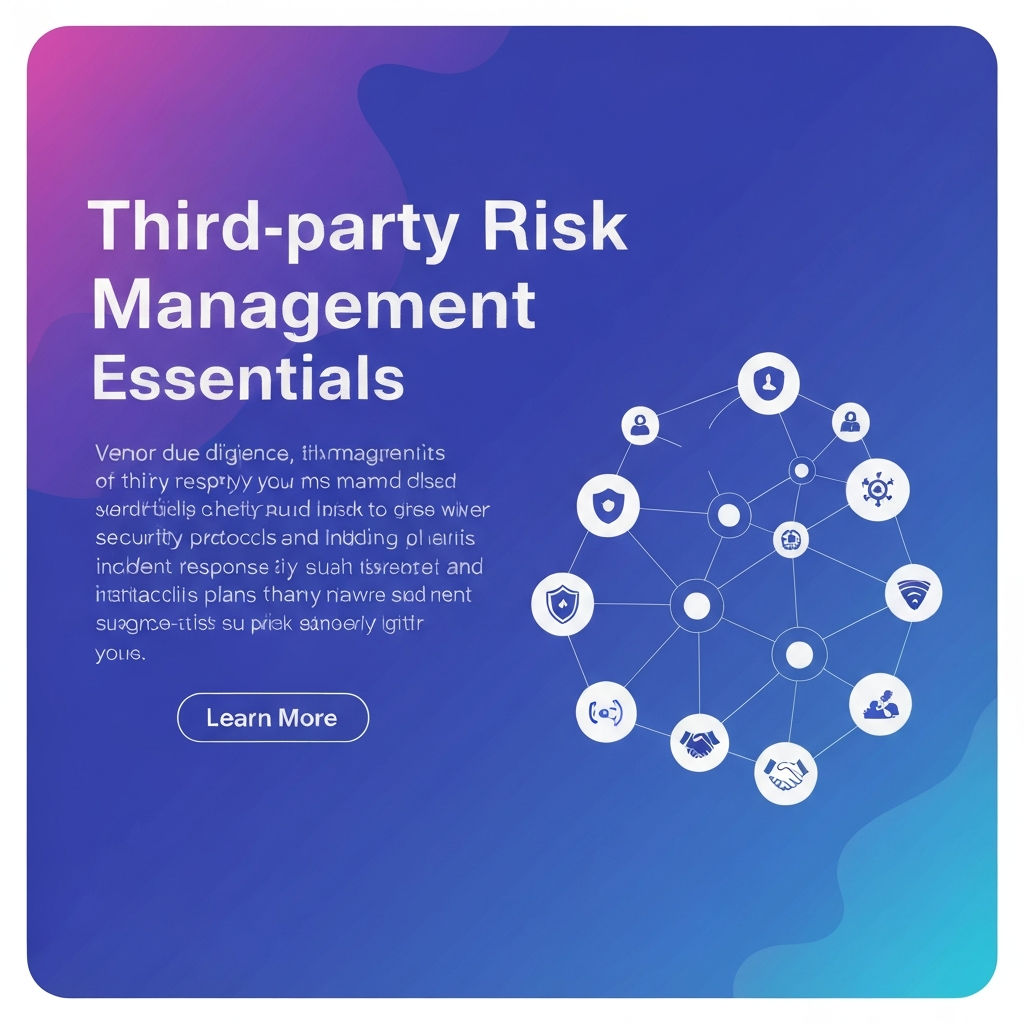
Third-party Risk Management Essentials: A Comprehensive Guide
Summary
Third-party risk management (TPRM) is crucial for organizations of all sizes. This guide provides a comprehensive overview of TPRM, including its importance, key components, best practices, and frequently asked questions. By understanding and implementing effective TPRM, you can protect your organization from potential risks associated with third-party relationships.
Introduction
From big banks and university hospitals to retail fashion chains and every level of government, organizations around the world rely on third parties to provide products and services to keep them running effectively and efficiently. You likely rely on third parties, too! Outsourcing responsibilities to a third party helps you better serve customers, grow revenues, and cut costs. However, this reliance introduces inherent risks. These risks can range from data breaches and compliance violations to reputational damage and financial losses. That’s where Third-Party Risk Management (TPRM) comes in.
In this guide, we’ll explore the essentials of TPRM, empowering you to navigate these complexities and safeguard your organization. Whether you’re new to TPRM or looking to enhance your existing program, this guide will provide valuable insights and practical strategies.
What is Third-Party Risk Management (TPRM)?
Third-party risk management is the process of identifying, assessing, and mitigating risks associated with your organization’s relationships with external vendors, suppliers, contractors, and other third parties. It involves a systematic approach to:
- Identifying potential risks
- Evaluating the likelihood and impact of those risks
- Implementing controls to mitigate the risks
- Monitoring third-party performance and compliance
Why is TPRM Important?
TPRM is not just a best practice; it’s a necessity in today’s interconnected business environment. Here’s why:
- Data Security: Third parties often have access to your sensitive data. A breach at a third-party vendor can directly impact your organization.
- Compliance: Regulations like GDPR, CCPA, and HIPAA require organizations to manage the risks associated with third-party data processing.
- Reputational Risk: A third-party incident can damage your brand’s reputation and erode customer trust.
- Financial Impact: Incidents can lead to financial losses through fines, legal fees, and recovery costs.
- Operational Resilience: TPRM ensures business continuity by identifying and mitigating risks that could disrupt your operations.
Key Components of a TPRM Program
Building a robust TPRM program involves several key components:
- Risk Assessment: Identify and evaluate potential risks associated with each third-party relationship.
- Due Diligence: Conduct thorough background checks and assessments of third-party vendors.
- Contract Management: Ensure contracts include provisions for data security, compliance, and incident response.
- Ongoing Monitoring: Continuously monitor third-party performance and compliance.
- Incident Response: Establish procedures for responding to and managing third-party incidents.
Best Practices for Implementing TPRM
To implement an effective TPRM program, consider these best practices:
- Define Scope and Objectives: Clearly define the scope of your TPRM program and set specific, measurable objectives.
- Categorize Third Parties: Group your third parties based on the level of risk they pose.
- Conduct Thorough Due Diligence: Perform comprehensive due diligence on all third parties before engaging them.
- Use Standardized Questionnaires: Utilize standardized questionnaires to assess third-party security posture and compliance.
- Implement Continuous Monitoring: Regularly monitor third-party performance and compliance using automated tools and manual reviews.
- Establish Clear Communication Channels: Maintain open and transparent communication channels with your third parties.
- Regularly Review and Update: Review and update your TPRM program regularly to address new risks and changing regulations.
FAQ’s
Here are some frequently asked questions about TPRM:
- What is the difference between third-party risk and fourth-party risk? Third-party risk involves the risks associated with your direct vendors, while fourth-party risk involves the risks associated with your third parties’ vendors.
- How often should I review my third-party vendors? The frequency of reviews depends on the risk level of the vendor. High-risk vendors should be reviewed more frequently than low-risk vendors. At least annually is a good baseline.
- What are some common TPRM tools? Common TPRM tools include vendor risk management platforms, security questionnaires, and contract management software.
- How do I get started with TPRM? Start by identifying your high-risk vendors and conducting a risk assessment. Then, implement due diligence procedures and establish ongoing monitoring.
Conclusion
Implementing a robust Third-Party Risk Management program is no longer optional; it’s essential for protecting your organization. By following the guidelines outlined in this guide, you can establish a proactive TPRM program that identifies and mitigates risks, safeguards your data, and strengthens your business relationships. Take the first step today to protect your organization from the risks associated with third parties. Your future self will thank you for it!
“`