
Author : WRIKE
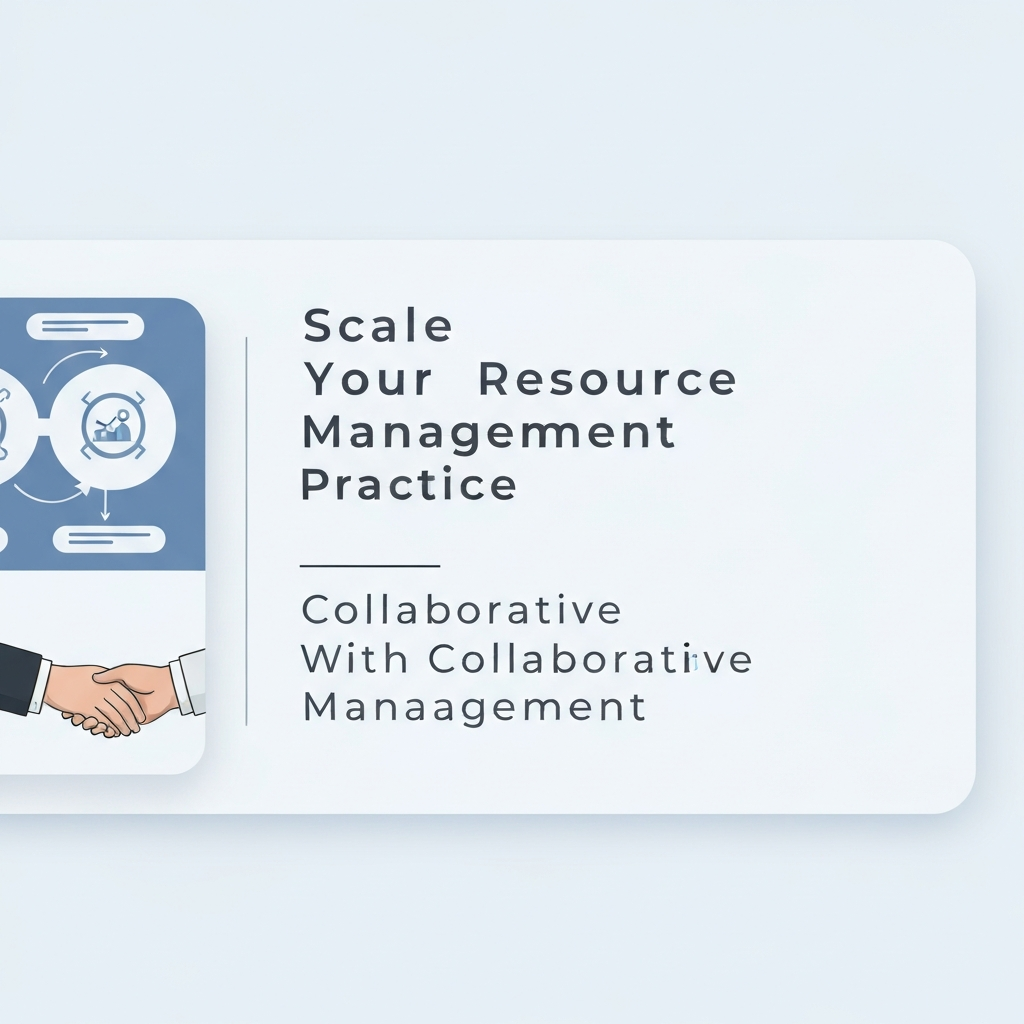
Scale Your Resource Management Practice With Collaborative Work Management
Resources are the backbone of every business. From the people you employ to the equipment you utilize, and the financial capital you have, these elements are essential to reaching your business goals. In the context of resource and project management, resources encompass the people, equipment, and finances needed to bring a project to fruition. Scaling your resource management practice efficiently is critical for sustained growth. This is where collaborative work management comes into play.
Introduction
In today’s dynamic business environment, effective resource management is no longer optional; it’s a necessity. As your business grows, so does the complexity of managing your resources. Traditional, siloed approaches to resource management often fall short, leading to inefficiencies, bottlenecks, and missed deadlines. Collaborative work management offers a solution by fostering transparency, communication, and streamlined workflows. By embracing collaboration, you can unlock the full potential of your resources and propel your business forward.
Why Collaborative Work Management is Key for Scaling
Scaling your resource management practice demands a shift from isolated tasks to a cohesive, collaborative approach. Here’s why:
- Improved Visibility: Collaborative platforms provide a centralized view of all resources, projects, and their statuses.
- Enhanced Communication: Real-time updates and direct communication channels reduce misunderstandings and delays.
- Optimized Resource Allocation: Data-driven insights enable you to allocate resources more strategically, maximizing utilization and minimizing waste.
- Increased Efficiency: Streamlined workflows and automated processes free up your team to focus on high-value tasks.
- Better Decision-Making: Access to comprehensive data empowers informed decisions about resource allocation and project prioritization.
Key Factors for Successful Implementation
Implementing collaborative work management successfully requires a strategic approach. Consider these key factors:
- Choose the Right Tools: Select a platform that aligns with your business needs, offering features like project tracking, resource scheduling, and communication tools.
- Foster a Collaborative Culture: Encourage open communication, knowledge sharing, and a team-oriented mindset.
- Provide Training and Support: Equip your team with the necessary skills and resources to effectively use the collaborative platform.
- Establish Clear Processes: Define standardized workflows, roles, and responsibilities to ensure everyone understands their tasks.
- Monitor and Analyze: Regularly track key metrics to assess performance, identify areas for improvement, and optimize resource allocation.
Tips to Improve Your Resource Management Through Collaboration
Implementing these tips can significantly enhance your resource management practices:
- Centralize Information: Use a single platform to store all project-related information, ensuring everyone has access to the latest updates.
- Implement Real-Time Communication: Utilize instant messaging and video conferencing tools for quick and efficient communication.
- Prioritize Transparency: Make project statuses, resource availability, and progress visible to all stakeholders.
- Encourage Feedback: Regularly solicit feedback from your team to identify areas for improvement and refine your processes.
- Automate Tasks: Automate repetitive tasks, such as scheduling and reporting, to free up your team’s time for more strategic activities.
Benefits of Collaborative Work Management
Embracing collaborative work management yields significant benefits for your business:
- Increased Productivity: Streamlined workflows and better communication lead to higher productivity levels.
- Reduced Costs: Optimized resource allocation and minimized waste contribute to cost savings.
- Improved Project Outcomes: Enhanced visibility and collaboration lead to better project delivery and increased success rates.
- Enhanced Employee Satisfaction: Empowering your team with the right tools and fostering a collaborative culture boosts morale and engagement.
- Scalability: A collaborative approach enables you to manage and scale your resources effectively as your business grows.
“Collaboration is the new competition.” – Anonymous
Conclusion
Scaling your resource management practice with collaborative work management is a strategic move that can drive significant improvements in efficiency, productivity, and project success. By embracing a collaborative approach, you empower your team, optimize resource allocation, and position your business for sustained growth. Start implementing the strategies outlined in this guide today, and watch your resource management practice transform.
FAQ’s
“`