
Author : SDX CENTRAL
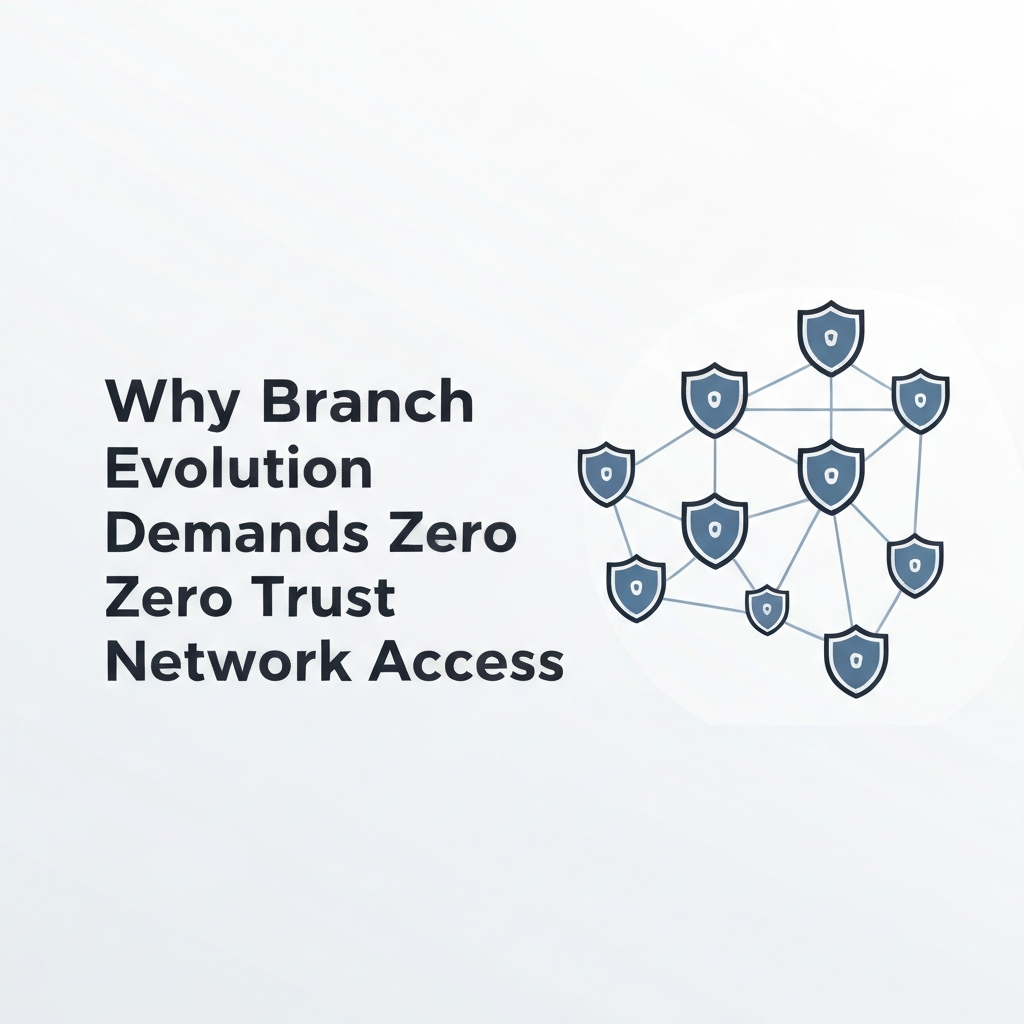
Why Branch Evolution Demands Zero Trust Network Access
In today’s dynamic digital landscape, the way we work and access information is constantly evolving. Branch offices, once considered isolated entities, are now integral parts of a complex, interconnected network. This evolution, however, has brought forth new security challenges. Cybercriminals are more sophisticated than ever, and traditional security models are struggling to keep pace. That’s why embracing a Zero Trust Network Access (ZTNA) approach is not just a best practice; it’s a necessity.
Introduction
Your branch offices are no longer just places where employees work; they are gateways to your organization’s data and applications. With the rise of cloud services, remote work, and the Internet of Things (IoT), the attack surface has expanded dramatically. Traditional perimeter-based security, which assumes everything inside the network is trustworthy, is no longer sufficient. Statistics paint a stark picture: 65% of attacks originate from the exposure of user data by applications, cloud/internet services and IoT devices, and a staggering 98% of these attacks involve unencrypted data. This reality highlights the critical need for a security model that operates on the principle of “never trust, always verify.”
The Imperative for Zero Trust in Branch Environments
Branch evolution is driven by several factors, including the need for agility, cost efficiency, and improved user experience. But this evolution also demands a robust security posture. Here’s why Zero Trust Network Access is crucial:
- Reduced Attack Surface: ZTNA minimizes the attack surface by granting access only to the specific resources required, rather than providing broad network access.
- Enhanced Data Protection: By continuously verifying users and devices, ZTNA helps prevent unauthorized access and data breaches, even if a device is compromised.
- Improved Compliance: ZTNA helps organizations meet regulatory requirements by providing granular control and visibility over network access.
- Better User Experience: With ZTNA, users can securely access resources from anywhere, with a seamless and consistent experience.
Key Factors Driving the Need for ZTNA
Several key factors are accelerating the adoption of ZTNA in branch environments:
- Rise of Cloud Applications: As organizations migrate to the cloud, branch offices need secure and efficient access to cloud-based resources.
- Growing Remote Workforce: With more employees working remotely, the need for secure remote access solutions has become paramount.
- Expansion of IoT Devices: The proliferation of IoT devices in branch offices creates new vulnerabilities that must be addressed.
- Sophisticated Cyber Threats: Cybercriminals are constantly evolving their tactics, making traditional security measures less effective.
How to Implement ZTNA in Your Branch Offices
Implementing ZTNA involves a strategic approach. Consider these steps:
- Assess Your Current Security Posture: Evaluate your existing security infrastructure, identify vulnerabilities, and determine your specific needs.
- Choose the Right ZTNA Solution: Select a solution that integrates seamlessly with your SD-WAN solution. This will provide a comprehensive and secure network experience.
- Enforce Granular Access Controls: Implement policies that grant access only to the necessary resources based on user identity, device posture, and other contextual factors.
- Continuously Monitor and Adapt: Regularly monitor your network, analyze logs, and adapt your security policies to address evolving threats and business needs.
Zero Trust Integrated with SD-WAN: The Ultimate Defense
A Zero Trust security approach natively integrated with a Software-Defined Wide Area Network (SD-WAN) solution offers a powerful combination. SD-WAN provides the agility and efficiency needed for modern branch networks, while ZTNA ensures that every access attempt is verified, regardless of location or device. This integrated approach provides a robust defense against cyber threats and protects your valuable data, people, and devices.
Conclusion
The evolution of branch offices has created new security challenges, but also presented an opportunity to implement a more robust and effective security model. Zero Trust Network Access, especially when integrated with SD-WAN, offers a proactive and adaptive approach to protecting your organization’s assets. By embracing ZTNA, you can reduce your attack surface, enhance data protection, improve compliance, and empower your users with secure access to the resources they need. Don’t wait; make Zero Trust a cornerstone of your branch office security strategy today.
Frequently Asked Questions (FAQ)
- What is Zero Trust Network Access (ZTNA)?
- ZTNA is a security model that operates on the principle of “never trust, always verify.” It assumes that no user or device, whether inside or outside the network, should be automatically trusted. Access is granted based on identity verification, device posture, and other contextual factors.
- Why is ZTNA important for branch offices?
- Branch offices are often a target for cyberattacks. ZTNA secures branch offices by verifying every access request, reducing the attack surface, and protecting sensitive data, especially with the increased use of cloud services, remote work, and IoT devices.
- How does ZTNA work with SD-WAN?
- Integrating ZTNA with SD-WAN enhances security and network performance. SD-WAN optimizes network traffic, while ZTNA verifies access requests. The combined solution provides a secure, efficient, and user-friendly experience for branch office users.
- What are the benefits of implementing ZTNA?
- Benefits include reduced risk of data breaches, improved compliance, enhanced user experience, and a more robust security posture against evolving cyber threats.
- How can I get started with ZTNA?
- Start by assessing your current security, choosing a suitable ZTNA solution, implementing granular access controls, and continuously monitoring and adapting your security policies.
“`