
Author : KEYSIGHT TECHNOLOGY
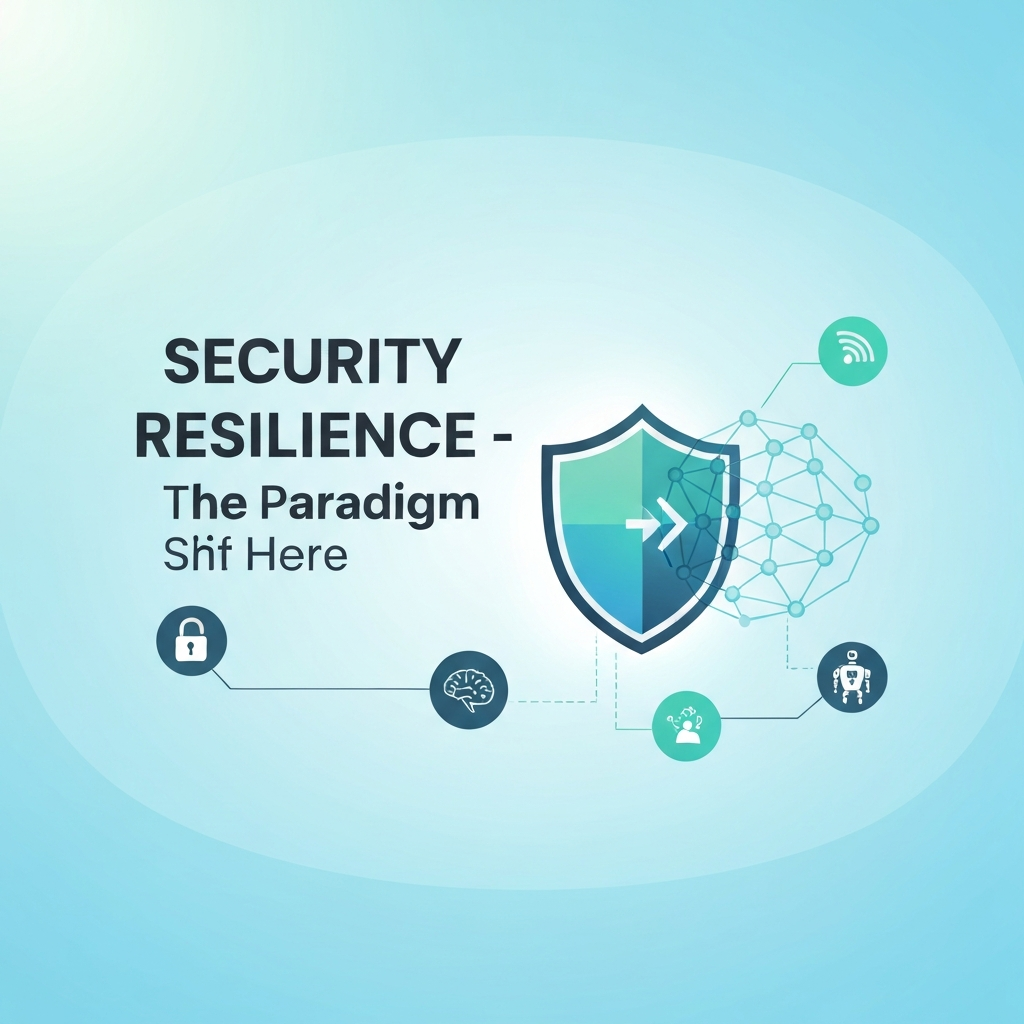
Security Resilience – The Paradigm Shift is Here
As daily news stories continue to document, enterprises are struggling with how to prevent security breaches to their networks. These breaches not only affect your company’s brand but also lead to mounting economic losses. In this evolving threat landscape, it’s time to shift from a reactive security posture to one that embraces security resilience. This isn’t just about preventing attacks; it’s about preparing for them, adapting to them, and recovering swiftly when they inevitably occur.
Summary
Security resilience is no longer an option but a necessity. It’s a proactive approach that prioritizes anticipating, withstanding, and quickly recovering from cyberattacks. This blog post guides you through understanding the need for this paradigm shift, the key components of a resilient security strategy, and actionable steps to fortify your organization against modern threats. We will cover the core principles of resilience, exploring how to build a robust security posture capable of withstanding the most sophisticated attacks.
Introduction: Why the Shift is Crucial
The traditional approach to cybersecurity, which focuses solely on prevention, is no longer sufficient. The attackers are becoming more sophisticated, employing advanced tactics and techniques. Even with the best preventive measures, breaches can and will happen. That’s why building security resilience is so critical.
Consider this: your organization’s data is an asset, but it’s also a target. A security breach can lead to devastating consequences, including financial losses, reputational damage, legal liabilities, and operational disruptions. The key to mitigating these risks lies in the ability to anticipate, withstand, and quickly recover from cyberattacks.
The Pillars of Security Resilience
Building a resilient security posture involves several key components:
- Proactive Threat Intelligence: Continuously monitor the threat landscape to understand the latest risks and vulnerabilities.
- Robust Security Architecture: Implement layered security controls, including firewalls, intrusion detection systems, and endpoint protection.
- Incident Response Planning: Develop and regularly test comprehensive incident response plans.
- Data Backup and Recovery: Ensure regular backups and a reliable disaster recovery plan to minimize downtime.
- Employee Training and Awareness: Educate your employees about security threats and best practices.
- Continuous Monitoring and Improvement: Regularly assess your security posture and make improvements based on the latest threats and vulnerabilities.
Key Factors for Building Security Resilience
Implementing security resilience effectively involves focusing on these key factors:
- Risk Assessment: Identify and assess your organization’s specific risks and vulnerabilities.
- Automation: Automate security processes to improve efficiency and reduce human error.
- Collaboration: Foster collaboration between security teams, IT, and other departments.
- Regular Testing: Conduct penetration tests and vulnerability assessments to identify weaknesses.
- Adaptability: Be prepared to adapt your security strategy as the threat landscape evolves.
Tips to Improve Your Security Resilience
Here’s how you can start building a more resilient security posture:
- Implement a Zero Trust Model: Verify every user and device before granting access to resources.
- Embrace Multi-Factor Authentication (MFA): Add an extra layer of security to your accounts.
- Patch Regularly: Keep your software and systems up-to-date with the latest security patches.
- Segment Your Network: Divide your network into segments to limit the impact of a breach.
- Invest in Security Awareness Training: Educate employees about phishing, social engineering, and other threats.
- Develop an Incident Response Plan: Have a plan in place for how to respond to a security incident.
Conclusion: Embracing the Future of Security
The journey to security resilience is not a destination but a continuous process. By adopting a proactive and adaptable approach, you can significantly reduce your organization’s risk exposure and build a stronger defense against cyber threats. Remember, the goal is not only to prevent breaches but also to minimize the impact when they occur. By prioritizing resilience, you’re not just protecting your data; you’re safeguarding your business’s future.
FAQ’s
“`