
Author : DELL TECHNOLOGIES
Advance Your Retail Data Strategy: A Comprehensive Guide
In today’s dynamic retail landscape, data isn’t just an asset – it’s the lifeblood of your business. To truly thrive, you need a robust data strategy that goes beyond simple analysis and transforms into a powerful engine for innovation. This guide will help you build and refine your retail data strategy, driving better decisions, enhancing customer experiences, and boosting your bottom line. Use all your data to redefine your delivery models — omnichannel and in‑store experiences.
Introduction: Why a Strong Data Strategy Matters
The retail world is constantly evolving. Consumer expectations are higher than ever, and competition is fierce. A well-defined data strategy allows you to:
- Understand your customers better than ever before.
- Optimize your operations for maximum efficiency.
- Personalize the shopping experience, leading to increased loyalty and sales.
- Make data-driven decisions, reducing risk and improving outcomes.
Key Components of an Advanced Retail Data Strategy
1. Data Collection & Integration: The Foundation
The first step is gathering the right data. Consider these key sources:
- Point of Sale (POS) Data: Track sales, inventory, and customer transactions.
- E-commerce Data: Analyze website traffic, purchase history, and customer behavior online.
- Customer Relationship Management (CRM) Data: Leverage customer profiles, preferences, and interactions.
- Social Media Data: Monitor brand mentions, sentiment, and customer feedback.
- Supply Chain Data: Gain insights into inventory levels, logistics, and delivery times.
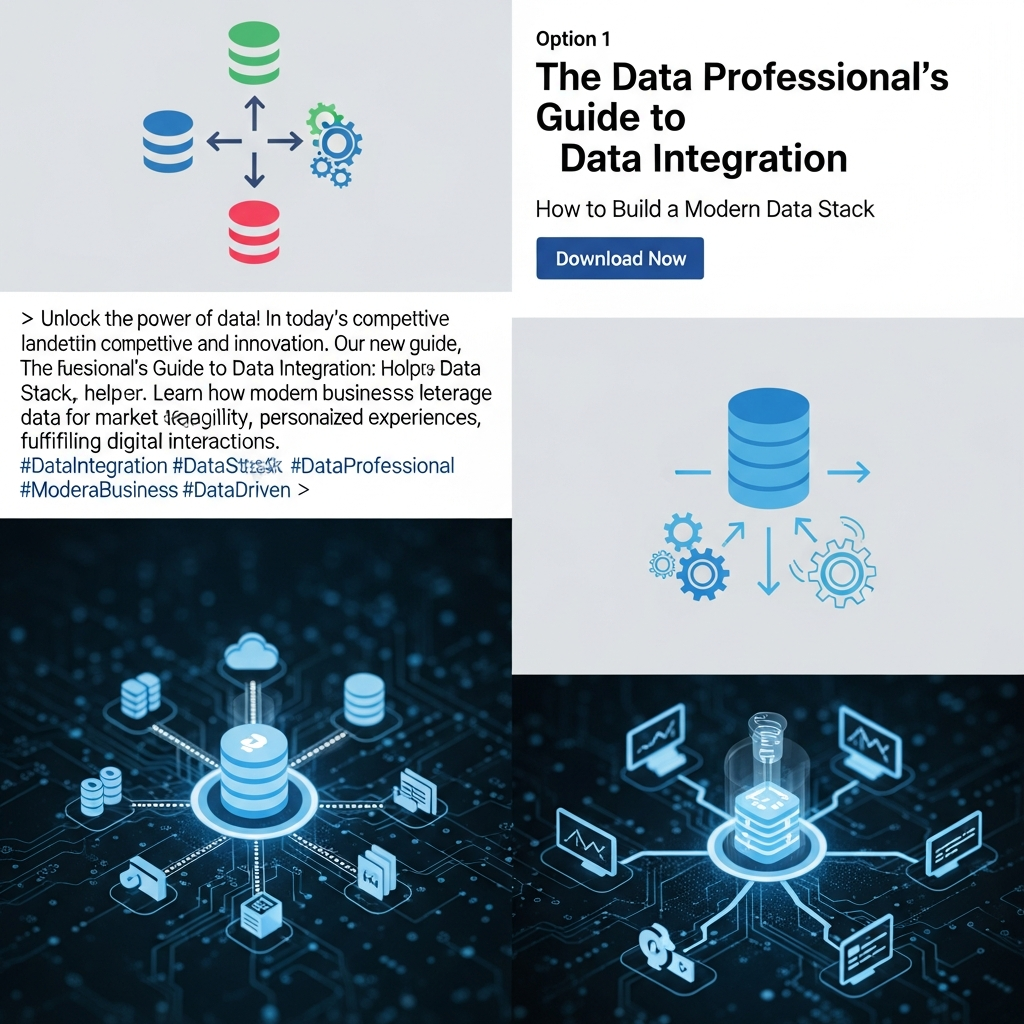
Once collected, data integration is crucial. This involves centralizing data from various sources into a unified platform. This can be a data warehouse, data lake, or a combination. The aim is to create a single source of truth for your business.
2. Data Analysis & Insights: Uncovering the Story
With your data integrated, the real work begins: analyzing it to uncover valuable insights. Consider these techniques:
- Descriptive Analytics: Understand what happened in the past (e.g., sales trends).
- Diagnostic Analytics: Explore why something happened (e.g., why sales declined in a particular region).
- Predictive Analytics: Forecast future trends (e.g., predict demand for specific products).
- Prescriptive Analytics: Determine the best course of action (e.g., optimize pricing or inventory levels).
Use data visualization tools to transform complex data into easily understandable charts and graphs. This will help you identify patterns, trends, and anomalies that might otherwise go unnoticed.
3. Personalization & Customer Experience: Tailoring the Journey
Data enables you to personalize every aspect of the customer journey, from product recommendations to marketing campaigns. Think about:
- Personalized Product Recommendations: Suggest products based on past purchases and browsing history.
- Targeted Marketing Campaigns: Deliver relevant offers and promotions to specific customer segments.
- Optimized Website Experiences: Tailor your website content and layout to individual user preferences.
- Improved Customer Service: Use data to anticipate customer needs and provide proactive support.
4. Omnichannel Excellence: Seamless Experiences
The modern consumer expects a seamless experience across all channels – in-store, online, and mobile. Your data strategy should support this by:
- Connecting Online and Offline Data: Track customer behavior across all touchpoints.
- Implementing Click-and-Collect: Offer convenient options for customers to buy online and pick up in-store.
- Providing Consistent Branding: Ensure a unified brand experience across all channels.
- Empowering Store Associates: Give your employees access to customer data to provide personalized assistance.
5. Technology & Infrastructure: The Right Tools for the Job
The success of your data strategy depends on the right technology infrastructure. Consider these key elements:
- Data Warehousing and Data Lakes: Choose the platform that best fits your data volume and analysis needs. Consider Microsoft data platform and Dell Technologies infrastructure.
- Business Intelligence (BI) Tools: Select tools that allow you to visualize and analyze your data effectively.
- Customer Relationship Management (CRM) Systems: Use a CRM to manage customer data and interactions.
- Cloud Computing: Leverage the scalability and flexibility of cloud-based solutions.
Tips for Advancing Your Retail Data Strategy
- Start Small, Think Big: Begin with a pilot project to demonstrate the value of your data strategy.
- Prioritize Data Quality: Ensure your data is accurate, complete, and consistent.
- Foster a Data-Driven Culture: Train your employees to use data and make data-informed decisions.
- Invest in the Right Talent: Hire data analysts, data scientists, and other specialists.
- Continuously Iterate and Improve: Regularly review and refine your data strategy based on your results.
Conclusion: Data-Driven Success in Retail
By embracing a comprehensive data strategy, you can transform your retail business. You’ll gain a deeper understanding of your customers, optimize your operations, and create more engaging shopping experiences. The retailers who master data will be the ones who thrive in the future. Leverage all of your data to redefine your delivery models — omnichannel and in‑store experiences — with Microsoft data platform and Dell Technologies infrastructure.
Frequently Asked Questions (FAQs)
How do I get started with a retail data strategy?
Begin by identifying your key business objectives and the data needed to achieve them. Then, assess your current data infrastructure and identify areas for improvement. Start with a pilot project to demonstrate the value of data.
What are the biggest challenges in implementing a data strategy?
Common challenges include data quality issues, data integration complexities, and a lack of skilled data professionals. Addressing these challenges requires careful planning, investment in the right technologies, and a strong commitment to a data-driven culture.
How can I measure the success of my data strategy?
Track key performance indicators (KPIs) such as sales growth, customer retention rates, customer satisfaction scores, and operational efficiency metrics. Regularly review your progress and make adjustments to your strategy as needed.
“`