
Author : Red Hat
An IT Executive’s Guide to Automation: The Need for Transformative Automation
In today’s fast-paced business environment, organizations across industries face unprecedented pressure to deliver services with increased speed and hardened security practices. As an IT executive, you understand that Information Technology (IT) is crucial in meeting these demands. However, IT can also act as a blocker if it can’t keep up with demand or isn’t scalable. This guide explores how transformative automation can help you overcome these challenges and drive your organization forward.
Introduction
The modern IT landscape is complex. From managing intricate networks to securing sensitive data and ensuring seamless service delivery, your responsibilities are vast. Traditional IT management often involves manual, repetitive tasks that consume valuable time and resources. This is where automation steps in—not just as a trend, but as a necessity. Transformative automation goes beyond simple task execution; it reshapes your IT infrastructure, enhances efficiency, and unlocks new opportunities for innovation.
Why Transformative Automation is Essential
Consider the benefits of embracing automation:
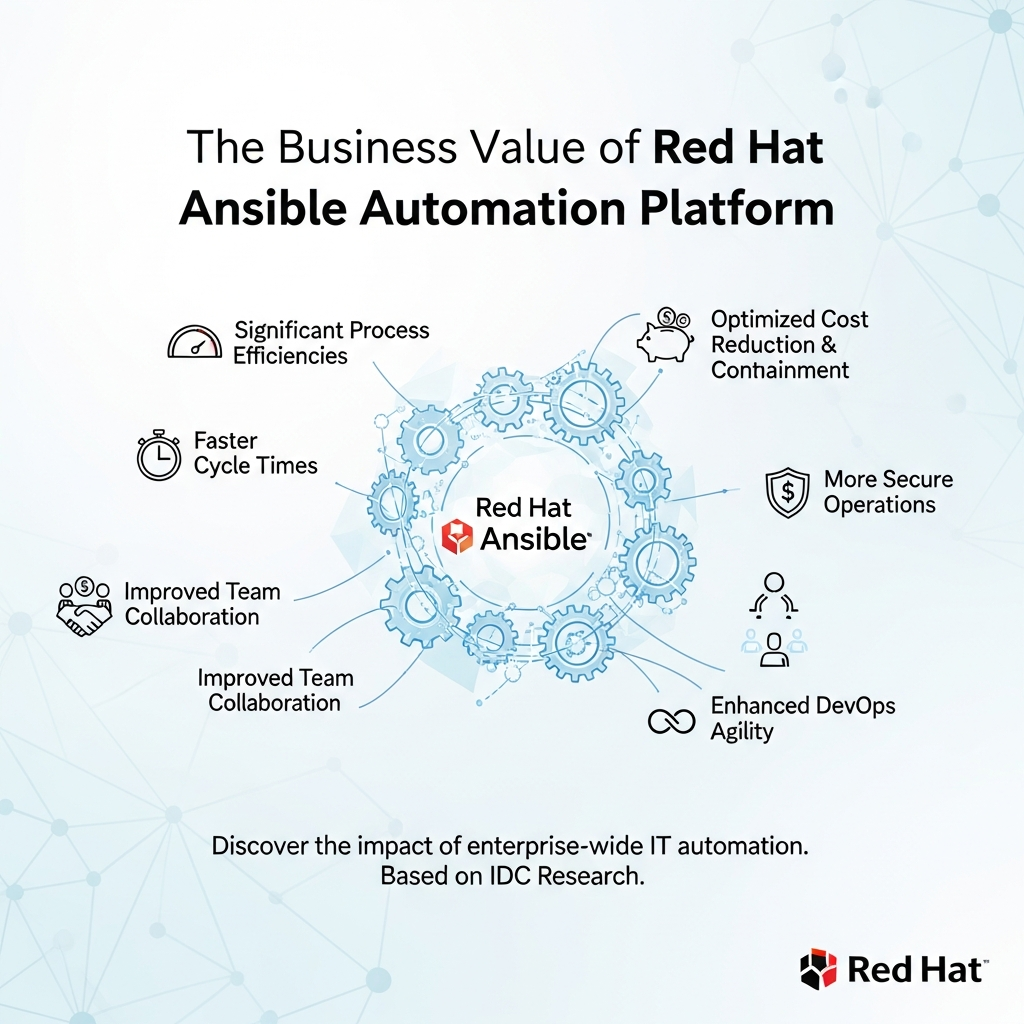
- Increased Efficiency: Automate repetitive tasks to free up your team to focus on strategic initiatives.
- Reduced Costs: Minimize operational expenses by optimizing resource utilization.
- Improved Accuracy: Reduce human error and ensure consistent performance.
- Enhanced Security: Implement automated security protocols to protect against threats.
- Faster Time to Market: Accelerate the deployment of new services and applications.
Key Factors for Successful Automation
Implementing transformative automation requires careful planning and execution. Keep these key factors in mind:
- Define Clear Goals: Identify specific business challenges you want to solve with automation.
- Assess Current State: Evaluate your existing IT infrastructure and identify areas ripe for automation.
- Choose the Right Tools: Select automation tools that align with your needs and integrate seamlessly with your existing systems.
- Prioritize Automation: Focus on automating high-impact tasks first.
- Embrace a Culture of Automation: Encourage your team to adopt and embrace automation as a core practice.
- Measure and Optimize: Continuously monitor the performance of your automated processes and make adjustments as needed.
Tips for Implementing Transformative Automation
To ensure a smooth transition, follow these best practices:
- Start Small: Begin with pilot projects to test and refine your automation strategies.
- Involve Your Team: Engage your IT staff early in the process to ensure buy-in and gather valuable insights.
- Provide Training: Equip your team with the skills they need to manage and optimize automated processes.
- Focus on Standardization: Standardize your IT processes to make them easier to automate.
- Choose Scalable Solutions: Select automation tools that can grow with your business.
- Prioritize Security: Integrate security best practices into your automation workflows from the start.
Summary
Transformative automation is no longer an option—it’s a critical requirement for IT executives aiming to drive efficiency, reduce costs, and accelerate innovation. By embracing automation, you can transform your IT department from a bottleneck into a strategic enabler of business growth. Remember to define clear goals, choose the right tools, and cultivate a culture that embraces change. The journey to transformative automation is an investment in your organization’s future.
Conclusion
As an IT executive, you have the power to lead the charge in automation. By understanding the benefits, key factors, and best practices, you can create an IT environment that is agile, efficient, and ready to meet the demands of tomorrow. Embrace the power of transformative automation and watch your organization thrive.
FAQ’s
What are the primary benefits of IT automation?
IT automation primarily leads to increased efficiency, reduced operational costs, improved accuracy, enhanced security, and faster time-to-market for new services.
How do I get started with IT automation?
Start by identifying specific business challenges, assessing your current IT infrastructure, and choosing the right automation tools. Begin with pilot projects and involve your team to ensure successful implementation.
What are some common challenges in IT automation?
Common challenges include lack of clear goals, choosing the wrong tools, resistance to change within the IT team, and difficulties integrating new automation solutions with existing systems.
How can I measure the success of my automation efforts?
Measure the success by tracking key metrics like reduced task completion time, decreased operational costs, reduced error rates, and increased employee productivity. Regularly review and optimize your processes based on these metrics.
“`