
Author : Blue Yonder
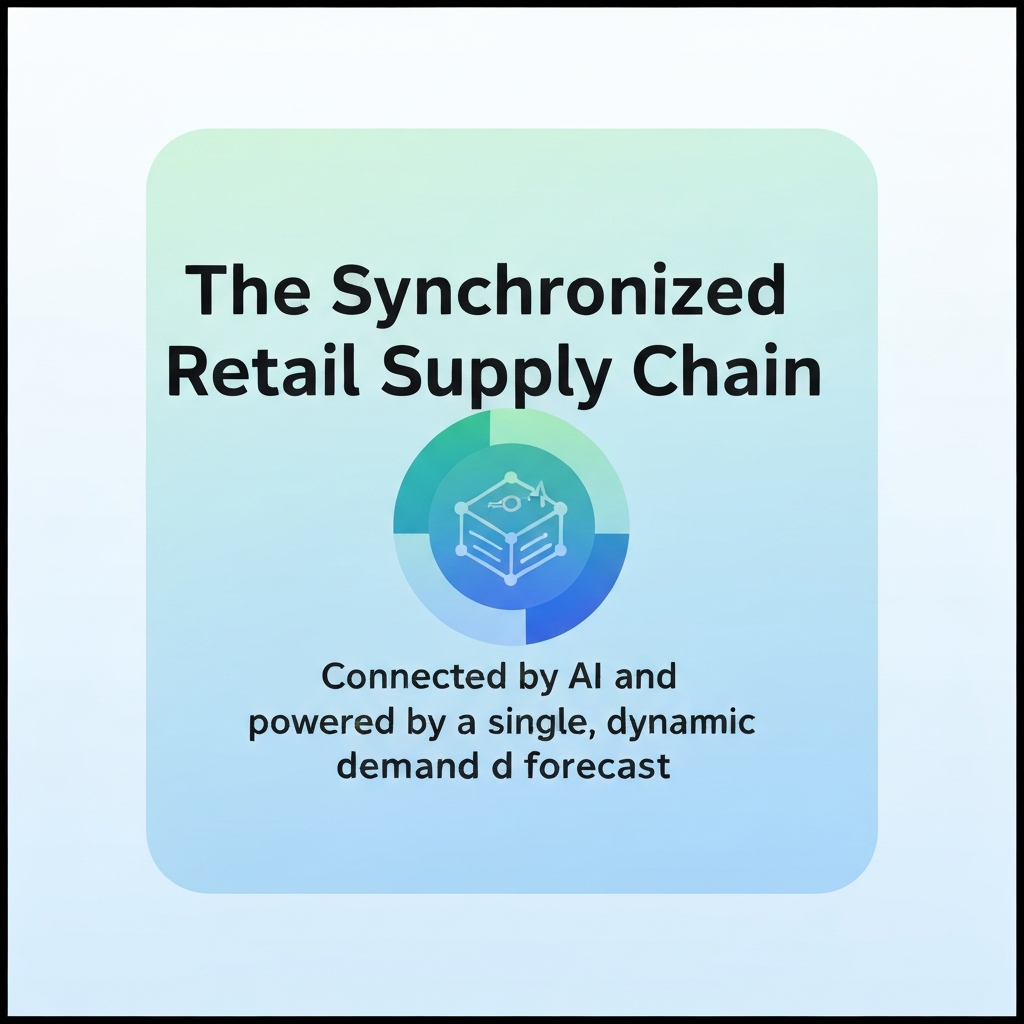
The Synchronized Retail Supply Chain: Connected by AI and Powered by Dynamic Demand Forecasting
In today’s fast-paced retail environment, staying ahead of the curve is no longer a luxury—it’s a necessity. The key to thriving lies in a synchronized retail supply chain, intelligently connected by Artificial Intelligence (AI) and driven by a single, dynamic demand forecast. This approach allows retailers to anticipate consumer needs, optimize operations, and achieve unprecedented levels of efficiency and profitability.
Introduction: The Retail Revolution
The retail landscape has transformed dramatically. Traditional methods of supply chain management are struggling to keep pace with the demands of an omnichannel world. Consumers expect instant gratification, personalized experiences, and seamless interactions across all channels. To meet these expectations, you need a supply chain that’s agile, responsive, and data-driven.
Why is this important? Because retail is about the detail. The granular data points, the real-time insights, and the ability to make optimal decisions are crucial for success. This is where AI and dynamic demand forecasting come into play.
The Power of AI in the Retail Supply Chain
AI is the engine driving this transformation. By gathering hundreds of real-time data points, applying advanced algorithms, and autonomously arriving at optimal decisions, AI empowers retailers to:
- Enhance Demand Forecasting: Predict consumer demand with greater accuracy, reducing stockouts and excess inventory.
- Optimize Inventory Management: Ensure the right products are in the right place at the right time, minimizing waste and maximizing sales.
- Streamline Logistics: Optimize transportation routes, reduce delivery times, and lower shipping costs.
- Improve Supplier Collaboration: Foster closer relationships with suppliers, enabling faster response times and improved product availability.
- Personalize Customer Experiences: Leverage data to offer personalized product recommendations and promotions.
Dynamic Demand Forecasting: The Heart of Synchronization
A single, dynamic demand forecast acts as the central nervous system of your synchronized supply chain. It’s constantly updated with real-time data, providing a unified view of demand across all channels. This allows you to:
- Reduce Forecast Errors: Minimize the discrepancies between predicted and actual demand.
- Improve Inventory Turns: Sell through inventory faster, freeing up capital and reducing storage costs.
- Enhance Customer Satisfaction: Meet customer demand consistently, leading to increased loyalty.
- Boost Profit Margins: Optimize pricing strategies and reduce waste.
Key Factors for a Synchronized Retail Supply Chain
To successfully implement a synchronized supply chain, you should focus on the following key factors:
- Data Integration: Seamlessly integrate data from all sources, including POS systems, e-commerce platforms, and supplier networks.
- AI-Powered Analytics: Utilize advanced analytics and machine learning to analyze data and generate insights.
- Automation: Automate key processes, such as inventory replenishment and order fulfillment.
- Collaboration: Foster close collaboration with suppliers, distributors, and other partners.
- Real-Time Visibility: Gain real-time visibility into your entire supply chain, from raw materials to final delivery.
Tips for Optimizing Your Supply Chain
Here are some actionable tips to help you optimize your supply chain:
- Invest in the Right Technology: Choose AI-powered solutions that meet your specific needs.
- Focus on Data Quality: Ensure the accuracy and reliability of your data.
- Train Your Team: Equip your employees with the skills and knowledge they need to work with AI-powered tools.
- Monitor Performance: Continuously monitor key metrics, such as forecast accuracy, inventory turns, and customer satisfaction.
- Embrace Continuous Improvement: Regularly review and refine your processes to drive ongoing improvements.
Conclusion: The Future is Synchronized
The synchronized retail supply chain, powered by AI and dynamic demand forecasting, is the future of retail. By embracing this approach, you can create a more agile, responsive, and profitable business. This approach will allow you to not only meet the demands of today’s consumers but also to anticipate and adapt to the ever-evolving retail landscape.
Frequently Asked Questions (FAQ)
A dynamic demand forecast is a constantly updated prediction of future demand, based on real-time data and advanced analytics.
AI automates processes, analyzes data, and makes optimal decisions, leading to reduced costs, faster delivery times, and improved customer satisfaction.
Benefits include improved inventory management, reduced forecast errors, enhanced customer satisfaction, and increased profitability.
Start by assessing your current processes, identifying areas for improvement, and investing in the right AI-powered technologies.
“`