
Author : LEARNING MADE EASY
“`html
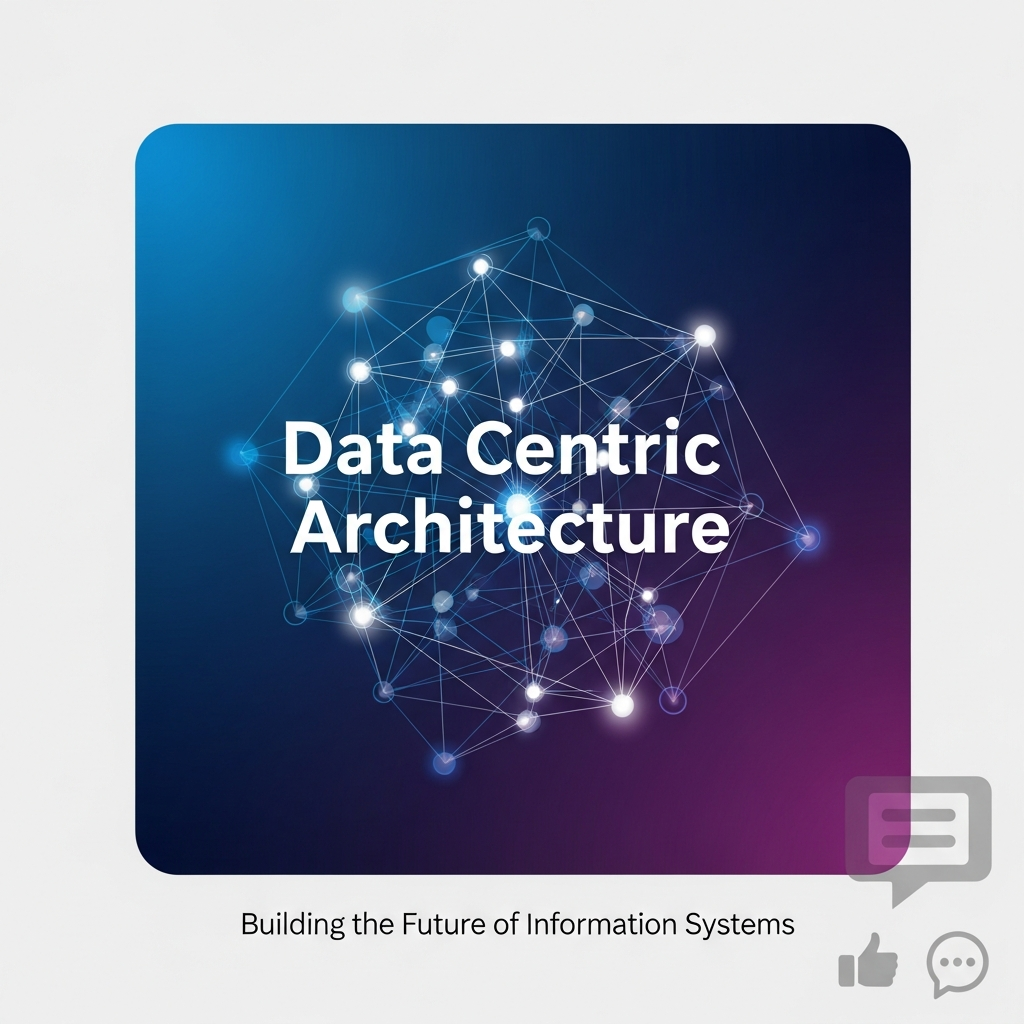
Data-Centric Architecture: A Comprehensive Guide
Welcome, fellow data enthusiasts! In today’s rapidly evolving technological landscape, the way we approach data management is crucial. You’re here because you understand that data is the lifeblood of any successful organization. This guide dives deep into Data-Centric Architecture (DCA), a paradigm shift that puts data at the heart of your system design.
Summary
Data-Centric Architecture (DCA) prioritizes data as the central asset, ensuring its accessibility, consistency, and integrity across all applications and systems. This approach contrasts with traditional application-centric designs where data is often siloed and difficult to manage. This blog post explores the core principles of DCA, its benefits, implementation strategies, and real-world examples. You’ll learn how to transform your organization by embracing a data-driven mindset and unlocking the full potential of your information assets.
Introduction: Why Data-Centric Architecture Matters
In the past, applications often dictated how data was structured and managed. This application-centric approach led to data silos, inconsistencies, and difficulties in sharing information across different parts of your organization. DCA flips this model. Instead of focusing on individual applications, DCA focuses on the data itself. It treats data as a first-class citizen, independent of the applications that use it.
Here’s why DCA is becoming increasingly important:
- Improved Data Quality: Centralized data management enhances accuracy and consistency.
- Increased Data Accessibility: Data becomes readily available to all authorized users and applications.
- Enhanced Agility: Changes to applications don’t necessitate changes to the underlying data structure.
- Better Decision-Making: Data-driven insights become easier to obtain, leading to more informed decisions.
- Reduced Costs: Eliminates redundant data storage and streamlines data management processes.
Core Principles of Data-Centric Architecture
Implementing a successful DCA requires adherence to several key principles:
- Data as a Central Asset: Data is treated as a valuable organizational asset, managed and protected accordingly.
- Data Independence: Applications are decoupled from the physical data storage and structure.
- Data Integration: Data from various sources is integrated and made accessible through a unified interface.
- Data Governance: Policies and procedures are established to ensure data quality, security, and compliance.
- Data Security: Implementing robust security measures to protect sensitive information.
Implementing Data-Centric Architecture: A Step-by-Step Approach
Embarking on a DCA journey requires careful planning and execution. Consider these steps:
- Assess Your Current State: Evaluate your existing data infrastructure, identify data silos, and understand your current data management practices.
- Define Data Strategy: Establish clear data goals, including data quality, accessibility, and governance.
- Design Data Models: Create logical and physical data models that reflect the organization’s data requirements.
- Choose the Right Technologies: Select appropriate database systems, data integration tools, and data governance platforms.
- Implement Data Governance: Develop and enforce policies and procedures related to data quality, security, and access.
- Migrate and Integrate Data: Migrate your data to the new architecture and integrate data from various sources.
- Monitor and Optimize: Continuously monitor data quality and system performance and make necessary adjustments.
Benefits of Data-Centric Architecture
Adopting DCA can bring transformative benefits to your organization. Some of the most significant advantages include:
- Improved Decision-Making: Easy access to integrated data allows for better-informed decisions.
- Increased Business Agility: DCA allows you to quickly adapt to changing business needs.
- Reduced Costs: Optimization of data storage and management.
- Enhanced Data Quality: Centralized data management improves data consistency and accuracy.
- Better Compliance: A well-defined data architecture supports data privacy and compliance regulations.
Real-World Examples of Data-Centric Architecture
Many organizations have successfully implemented DCA. Here are a few examples:
- Financial Services: Banks and other financial institutions use DCA to manage customer data, transactions, and risk assessment.
- Healthcare: Hospitals and healthcare providers utilize DCA to manage patient records, medical history, and clinical data.
- Retail: Retailers leverage DCA to track sales data, manage inventory, and personalize customer experiences.
Tips for a Successful DCA Implementation
Here are some helpful tips to ensure a smooth transition to a data-centric approach:
- Start Small: Begin with a pilot project to test the concept and refine your approach.
- Get Executive Buy-In: Secure support from leadership to ensure adequate resources and commitment.
- Invest in Training: Educate your team on the principles and technologies of DCA.
- Prioritize Data Quality: Implement data quality checks and validation processes.
- Foster Collaboration: Encourage collaboration between IT, business, and data teams.
Conclusion
Data-Centric Architecture is not just a trend; it’s the future of data management. By putting data at the center of your universe, you empower your organization to make better decisions, improve efficiency, and gain a competitive edge. Embrace the principles of DCA, and you will unlock the true potential of your data assets and embark on a journey of continuous improvement.
Frequently Asked Questions (FAQ)
Here are some frequently asked questions about Data-Centric Architecture:
- What is the difference between data-centric and application-centric architecture? Data-centric architecture focuses on data as the primary asset, while application-centric architecture prioritizes the applications that use the data.
- What are the key components of a DCA? Key components include a central data repository, data integration tools, data governance policies, and data security measures.
- How do I start implementing DCA in my organization? Start by assessing your current state, defining your data strategy, designing data models, and choosing the right technologies. Begin with a pilot project.
- What are the biggest challenges in implementing DCA? Challenges may include legacy system integration, data migration, and cultural resistance to change.
- What are the long-term benefits of DCA? The long-term benefits include improved decision-making, increased business agility, and reduced costs.
“`