

Author : REDHAT
“`html
Connect Your Hybrid Cloud Environment with IT Automation
Summary
In today’s fast-paced digital landscape, connecting your hybrid cloud environment with IT automation is no longer optional—it’s essential. This guide will walk you through the benefits, strategies, and best practices for seamlessly integrating automation into your hybrid cloud setup. By embracing IT automation, you can optimize resource allocation, enhance agility, and drive significant cost savings, all while improving the overall efficiency of your IT operations.
Introduction
Across industries, organizations are digitally transforming to meet growing demands for new services and innovation. Recent world events have only accelerated the pace of change. 86% of organizations are now progressing with their digital transformation initiatives. This shift requires a robust and adaptable IT infrastructure. The hybrid cloud, a combination of private and public cloud resources, offers the flexibility and scalability needed to stay competitive. However, managing such an environment can quickly become complex. That’s where IT automation comes in.
Are you looking to streamline your IT operations, reduce manual errors, and accelerate your time to market? Then, connecting your hybrid cloud environment with IT automation is the key. Let’s explore how you can achieve this and unlock the full potential of your hybrid cloud strategy.
Why Connect Your Hybrid Cloud with IT Automation?
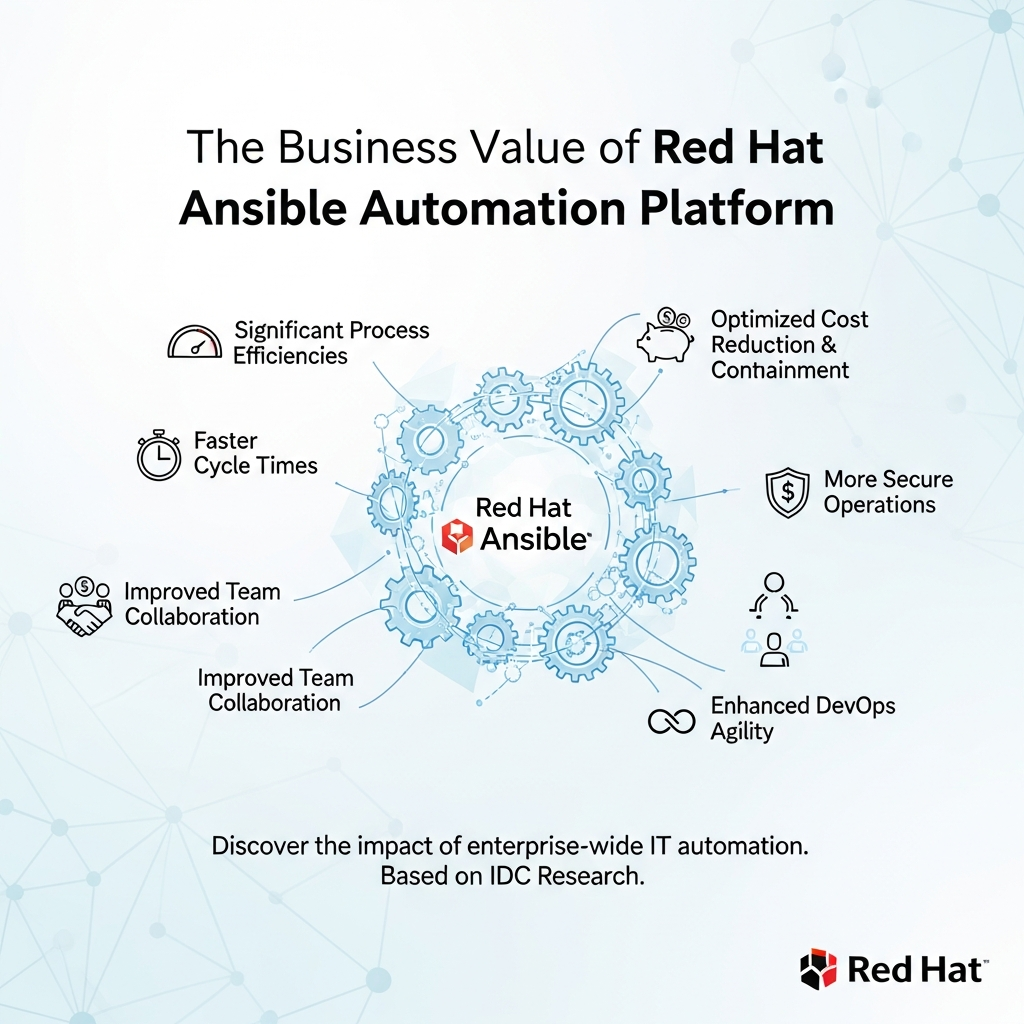
IT automation offers several benefits that can revolutionize how you manage your hybrid cloud:
- Increased Efficiency: Automate repetitive tasks, freeing up your IT staff to focus on more strategic initiatives.
- Reduced Costs: Optimize resource utilization and minimize operational expenses.
- Improved Agility: Quickly adapt to changing business needs and deploy new services faster.
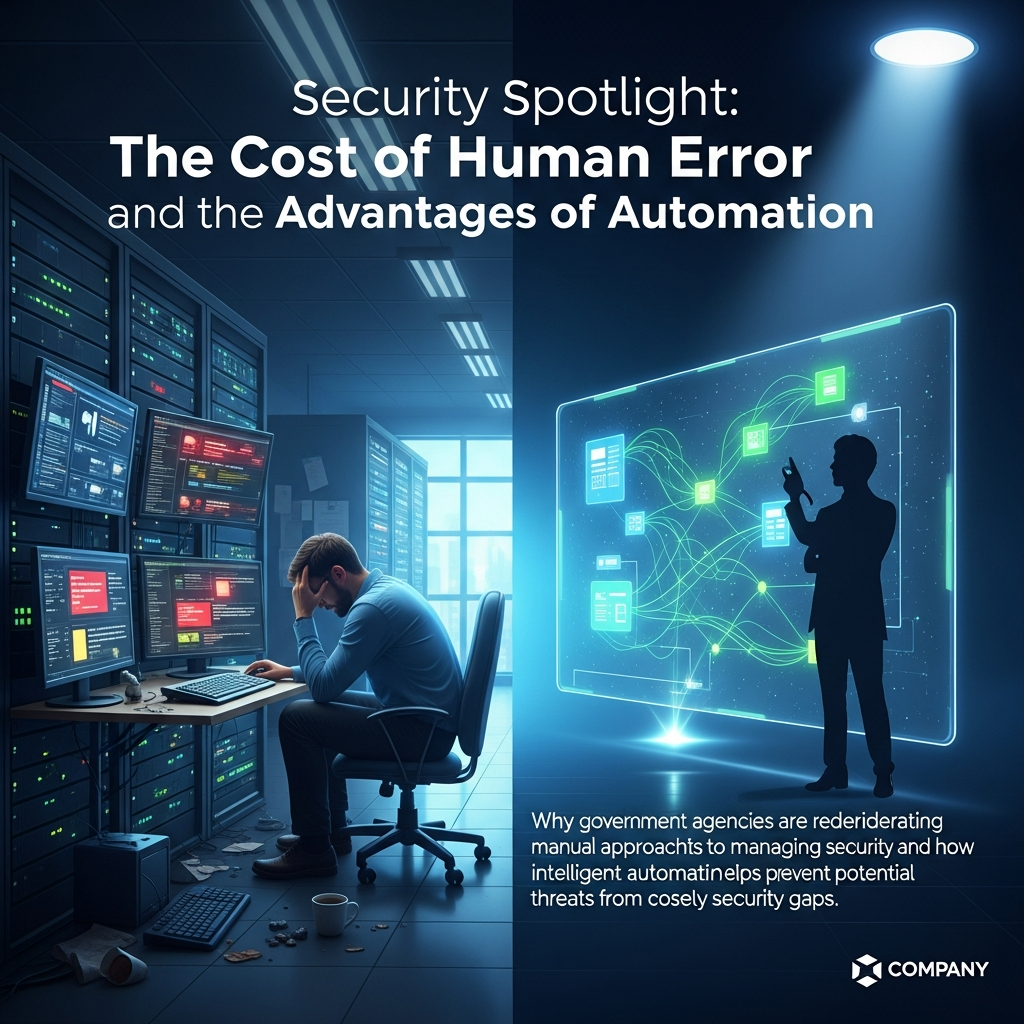
- Enhanced Reliability: Minimize human error and ensure consistent configurations.
- Better Compliance: Enforce security policies and meet regulatory requirements with automated processes.
Key Factors for Successful Integration
To successfully integrate IT automation into your hybrid cloud environment, consider these key factors:
- Choose the Right Automation Tools: Select tools that support both your private and public cloud environments, such as Ansible, Terraform, or cloud-specific automation services.
- Define Clear Automation Goals: Identify specific tasks and processes that can be automated to achieve tangible benefits.
- Implement a Phased Approach: Start with small, manageable automation projects and gradually expand your automation efforts.
- Prioritize Security: Integrate security best practices into your automation workflows to protect your hybrid cloud environment.
- Monitor and Optimize: Continuously monitor your automated processes and make adjustments to improve performance and efficiency.
Tips for Optimizing Your Automation Strategy
Here are some actionable tips to help you optimize your IT automation strategy:
- Start Small and Scale Up: Begin with automating simple tasks, such as server provisioning or application deployments, before tackling more complex processes.
- Document Everything: Keep detailed documentation of your automation workflows, configurations, and scripts for easy maintenance and troubleshooting.
- Embrace Infrastructure as Code (IaC): Manage your infrastructure using code, enabling version control, collaboration, and repeatability.
- Integrate with DevOps Practices: Align your automation efforts with DevOps principles to improve collaboration and accelerate the software development lifecycle.
- Provide Regular Training: Ensure your IT staff has the necessary skills and knowledge to manage and maintain your automated systems.
Conclusion
Connecting your hybrid cloud environment with IT automation is a strategic move that can significantly enhance your IT operations. By embracing automation, you can improve efficiency, reduce costs, and increase agility. Follow the tips and best practices outlined in this guide to successfully integrate automation into your hybrid cloud strategy and position your organization for long-term success. The time to automate is now – embrace the future of IT!
FAQ’s
Q: What are the best automation tools for hybrid cloud environments?
A: Popular tools include Ansible, Terraform, AWS CloudFormation, Azure Resource Manager, and Google Cloud Deployment Manager. The best choice depends on your specific cloud providers and requirements.
Q: How do I get started with IT automation?
A: Start by identifying repetitive tasks and processes that can be automated. Choose an automation tool, define your goals, and implement a phased approach.
Q: What are the potential risks of IT automation?
A: Risks include misconfigurations, security vulnerabilities, and over-reliance on automation. Mitigate these risks by implementing security best practices, thorough testing, and regular monitoring.
Q: How can I measure the success of my automation efforts?
A: Track metrics such as time savings, reduced errors, cost reductions, and improved service delivery times to assess the effectiveness of your automation strategy.
“`