
Author : FORRESTER
“`html
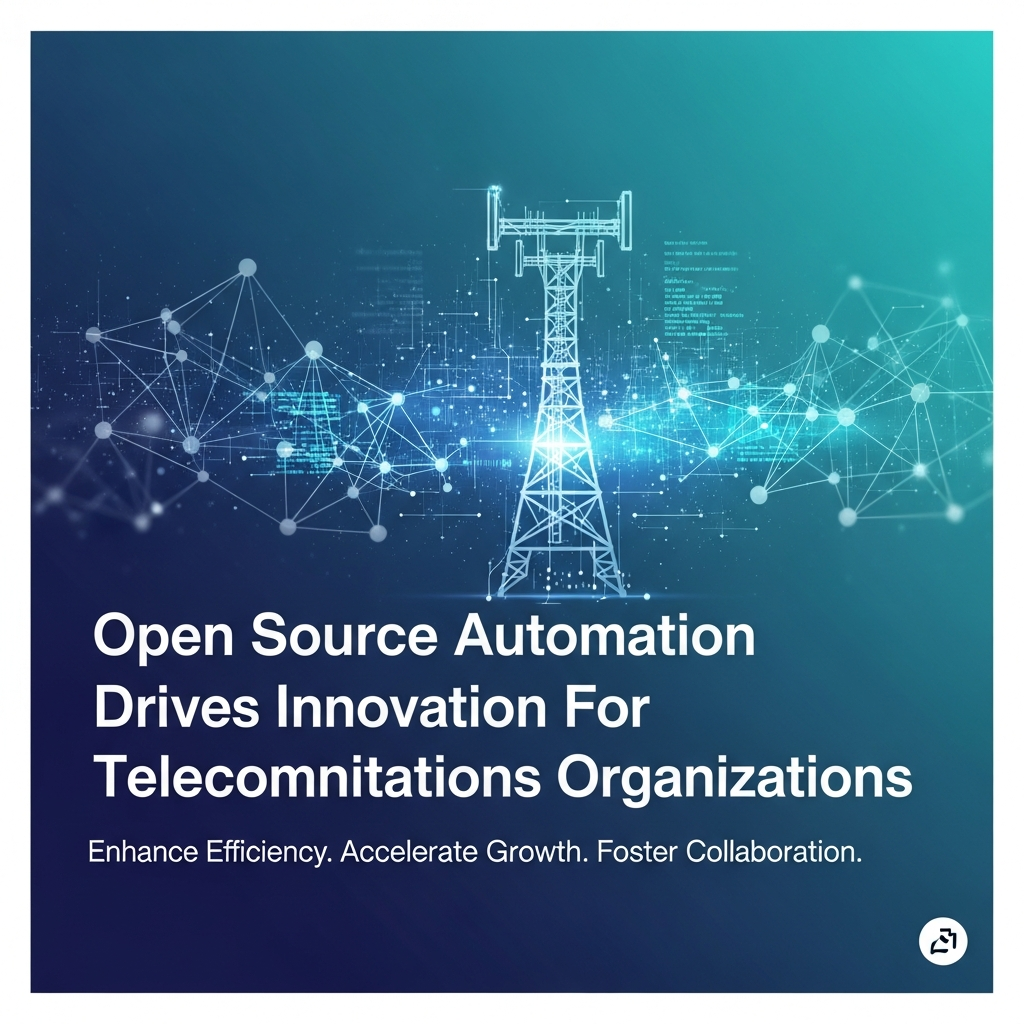
Open Source Automation Drives Innovation For Telecommunications Organizations
In today’s fast-paced world, telecommunications organizations are constantly seeking ways to improve efficiency, reduce costs, and stay ahead of the competition. You’ll find that automation is no longer a luxury, but a necessity. And, open source automation offers a compelling path toward achieving these goals. This blog post will guide you through the benefits, strategies, and key considerations for leveraging open source automation to drive innovation within your telecommunications organization.
Executive Summary
Telecommunications firms are increasingly turning to automation to adapt, scale, and manage their complex operations. Open source tools offer a powerful and often more cost-effective alternative to proprietary solutions. This approach not only reduces risk but also fosters innovation by allowing for greater flexibility, customization, and community support. By embracing open source automation, you can unlock significant technology and business advantages.
Introduction
The telecommunications industry is undergoing a massive transformation. You’re facing increasing demands for faster speeds, greater capacity, and more reliable services. To meet these challenges, you need technology that can adapt and scale quickly, reliably, and economically. Automation software emerges as a key player in this evolution. While proprietary solutions have their place, open source automation tools are becoming increasingly popular. They offer a unique blend of flexibility, cost-effectiveness, and community support, empowering organizations to innovate and stay competitive.
Why Open Source Automation?
You might be wondering, “Why open source?” Here’s why:
- Cost-Effectiveness: Open source solutions often come with lower upfront costs and eliminate vendor lock-in, significantly reducing your total cost of ownership.
- Flexibility and Customization: You have the freedom to modify and adapt open source tools to meet your specific needs and integrate them seamlessly with your existing infrastructure.
- Community and Support: Benefit from a vast community of developers and users, providing readily available support, documentation, and continuous improvements.
- Innovation and Agility: Open source fosters a culture of collaboration and rapid innovation, enabling you to stay at the forefront of technological advancements.
- Reduced Risk Profile: Open source solutions are often associated with a lower risk profile compared to proprietary counterparts.
Key Benefits for Telecommunications Organizations
Implementing open source automation can bring a host of benefits to your organization:
- Network Automation: Automate network provisioning, configuration, and management tasks, improving efficiency and reducing errors.
- Service Delivery Automation: Streamline the delivery of new services, accelerating time-to-market and enhancing customer satisfaction.
- Infrastructure Automation: Automate the deployment, scaling, and management of your infrastructure, optimizing resource utilization and reducing operational costs.
- Monitoring and Management: Implement open source monitoring tools to gain real-time insights into your network and services, enabling proactive issue resolution.
- Cost Reduction: Reduce operational expenses by automating repetitive tasks and optimizing resource allocation.
Getting Started with Open Source Automation
Here’s how you can embark on your open source automation journey:
- Assess Your Needs: Identify your specific automation requirements and prioritize the areas where open source solutions can deliver the greatest impact.
- Choose the Right Tools: Explore the vast ecosystem of open source automation tools and select the ones that best align with your needs and technical capabilities. (e.g., Ansible, Kubernetes, Prometheus)
- Develop a Strategy: Create a comprehensive automation strategy that includes clear goals, timelines, and resource allocation.
- Pilot Projects: Start with small-scale pilot projects to test and refine your automation implementations before rolling them out across your entire organization.
- Training and Skill Development: Invest in training your team to ensure they have the skills and knowledge needed to effectively manage and maintain your open source automation tools.
- Embrace Collaboration: Encourage collaboration and knowledge sharing within your organization and the broader open source community.
Real-World Examples
Many telecommunications organizations have successfully leveraged open source automation. For example:
- Network Automation: Companies use Ansible to automate network device configuration and orchestration.
- Cloud Infrastructure: Kubernetes is widely adopted for container orchestration and managing cloud-native applications.
- Monitoring and Management: Prometheus and Grafana are used for monitoring network performance and visualizing data.
Conclusion
Open source automation empowers telecommunications organizations to drive innovation, improve efficiency, and reduce costs. By embracing open source solutions, you can gain a competitive edge in today’s dynamic market. Start your journey today, and you’ll find that the benefits are well worth the effort. 100% of telecommunications decision-makers report a variety of technology and business benefits from their automation software investments. It’s time for you to experience those same benefits!
Frequently Asked Questions (FAQ’s)
- What are the primary benefits of open source automation in telecommunications?
- Cost reduction, flexibility, customization, community support, and faster innovation cycles.
- Which open source tools are most popular in the telecommunications industry?
- Ansible, Kubernetes, Prometheus, Grafana, and others depending on specific needs.
- How do I get started with open source automation?
- Assess your needs, choose the right tools, develop a strategy, start with pilot projects, and invest in training.
- What are the potential challenges of adopting open source automation?
- Requires skilled resources, potential for integration challenges, and the need for ongoing maintenance and support.
“`