
Author : INTERVIEWING GUIDE
“`html
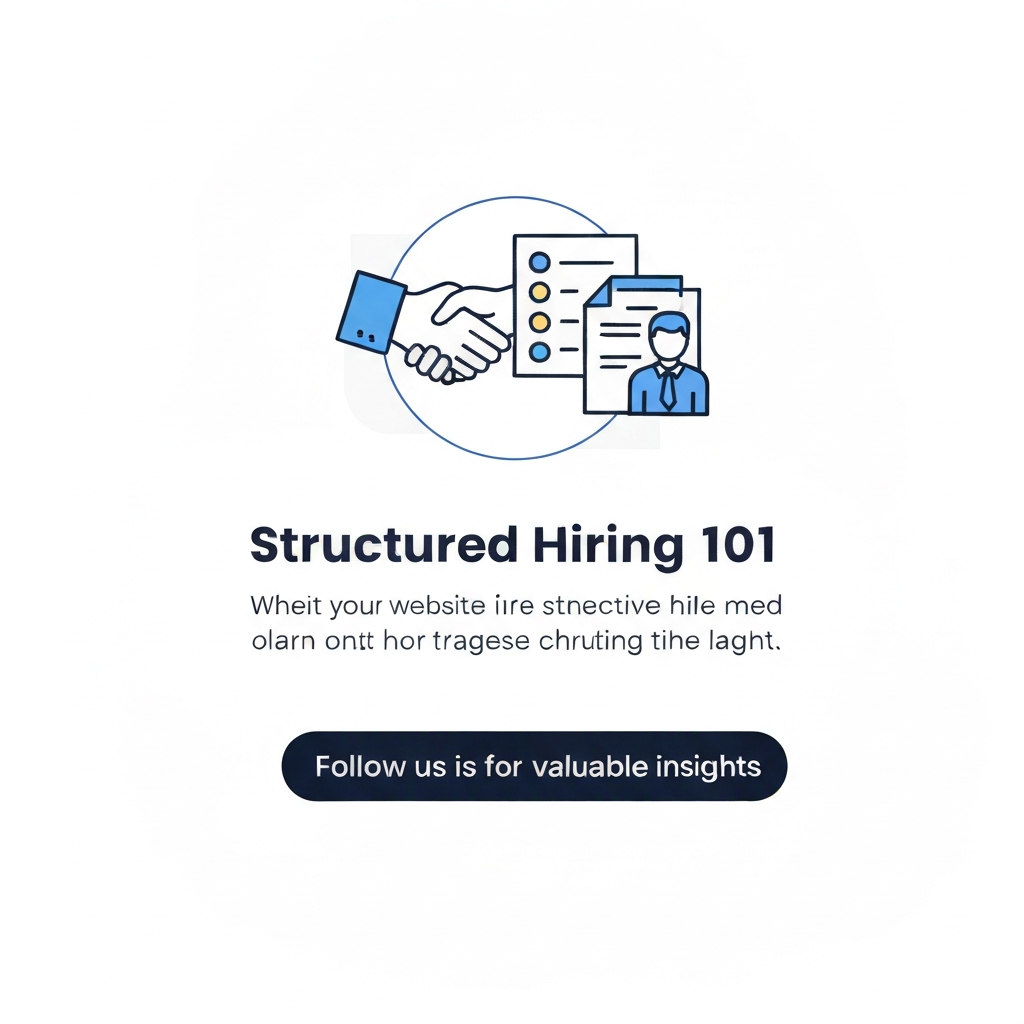
Structured Hiring 101: Your Guide to Building a Winning Team
Summary
Structured hiring is the key to unlocking consistent success in your recruitment efforts. This guide will walk you through the essential elements of a structured hiring process, from crafting compelling job descriptions and implementing effective interview strategies to making data-driven decisions. By adopting a structured approach, you’ll not only streamline your hiring process but also significantly improve your chances of finding and retaining top talent.
The first step in hiring the right talent for your organization is setting your recruiting team up for success with a structured hiring process. And there’s no better place to start than with your interview strategy.
Introduction
Are you tired of hiring decisions that feel more like a gamble than a calculated move? Do you dream of a team filled with top performers who seamlessly integrate into your company culture? The solution lies in structured hiring. This approach moves beyond gut feelings and subjective impressions, replacing them with a data-driven, systematic process designed to identify the best candidates for the job. In this guide, we’ll equip you with the knowledge and tools you need to build a robust structured hiring process that consistently delivers exceptional results.
Why Structured Hiring Matters
In today’s competitive landscape, building a strong team is critical to your organization’s success. Structured hiring provides a framework to:
- Improve the Quality of Hire: By focusing on pre-defined criteria and objective assessments, you’ll increase the likelihood of selecting candidates who excel in the role.
- Reduce Bias: Structured processes minimize unconscious biases, ensuring that all candidates are evaluated fairly.
- Enhance Efficiency: Streamlined processes save time and resources, allowing you to focus on other critical business needs.
- Boost Employee Retention: Hiring the right fit increases employee satisfaction and reduces turnover.
- Ensure Legal Compliance: Structured processes provide documentation, reducing legal risk.
Key Components of a Structured Hiring Process
A successful structured hiring process consists of several key components:
1. Define the Role & Requirements
Before you even think about posting a job, clearly define the role. Consider the following:
- Job Description: Create a detailed job description outlining responsibilities, required skills, and qualifications.
- Skills Matrix: Identify essential and desirable skills and experience.
- Performance Metrics: Determine how success in the role will be measured.
2. Craft a Targeted Job Description
A well-written job description is your first opportunity to attract the right talent. Make sure to:
- Be Clear and Concise: Avoid jargon and ambiguous language.
- Highlight Company Culture: Showcase what makes your company a great place to work.
- Use Keywords: Optimize your description with relevant keywords to improve search visibility.
3. Implement a Structured Interview Process
The interview process is where you truly assess a candidate. Here’s how to structure it:
- Standardized Questions: Use the same questions for all candidates to ensure a fair comparison.
- Behavioral Questions: Ask questions that explore past behavior to predict future performance (e.g., “Tell me about a time when…”).
- Situational Questions: Present hypothetical scenarios to gauge how candidates would handle specific situations.
- Scoring System: Develop a scoring system to evaluate candidates objectively based on pre-defined criteria.
- Multiple Interviewers: Involve multiple interviewers to gather different perspectives.
4. Assess Candidates Objectively
Avoid relying solely on gut feelings. Instead, use data-driven methods to evaluate candidates:
- Skills Tests: Use assessments to measure technical skills and knowledge.
- Personality Tests: Consider using personality assessments to assess cultural fit (use with caution and ensure they are validated).
- Reference Checks: Thoroughly check references to gain insights into a candidate’s work ethic and performance.
5. Make Data-Driven Decisions
Review the collected data to make informed decisions. Consider:
- Comparing Scores: Analyze interview scores and assessment results to identify top candidates.
- Seeking Consensus: Discuss candidates with your hiring team and reach a consensus.
- Providing Feedback: Offer feedback to all candidates, regardless of the outcome.
Tips for Success
- Training: Train your hiring team on the structured hiring process.
- Technology: Utilize applicant tracking systems (ATS) to streamline the process.
- Feedback: Regularly evaluate and refine your structured hiring process based on feedback and results.
Conclusion
Implementing a structured hiring process is an investment in your company’s future. By taking a systematic and data-driven approach, you’ll be able to consistently build a team of top performers, reduce bias, and improve your overall hiring efficiency. Start today by reviewing your current hiring practices and implementing the strategies outlined in this guide. Your organization and your team will thank you for it!
Frequently Asked Questions (FAQ)
“`