
Author : REDHAT
“`html
Ansible Automation Platform: Your Comprehensive Guide
In today’s fast-paced IT landscape, automation isn’t just a luxury; it’s a necessity. According to a recent survey by Harvard Business Review Analytic Services, a staggering 68% of respondents believe IT automation has evolved from a “nice-to-have” to a “must-have” in the last year alone. If you’re looking to streamline your IT operations, reduce errors, and increase efficiency, you’re in the right place. This guide will provide you with everything you need to know about the Ansible Automation Platform.
Introduction
The Ansible Automation Platform is a powerful, open-source IT automation engine that helps you automate various IT tasks, including configuration management, application deployment, orchestration, and more. It’s designed to be simple to use, yet powerful enough to handle complex automation scenarios. Whether you’re managing a few servers or thousands, Ansible can help you.
What makes Ansible so popular?
- Agentless Architecture: Ansible doesn’t require agents on managed nodes, making deployment and management easier.
- Human-Readable: Ansible uses YAML, a human-readable language, for playbooks, making automation scripts easy to understand and maintain.
- Powerful and Flexible: Ansible can automate tasks across various platforms, including Linux, Windows, and network devices.
- Large Community: Ansible has a vast and active community, providing ample resources, modules, and support.
Key Benefits of Using Ansible Automation Platform
Implementing the Ansible Automation Platform can bring significant benefits to your organization.
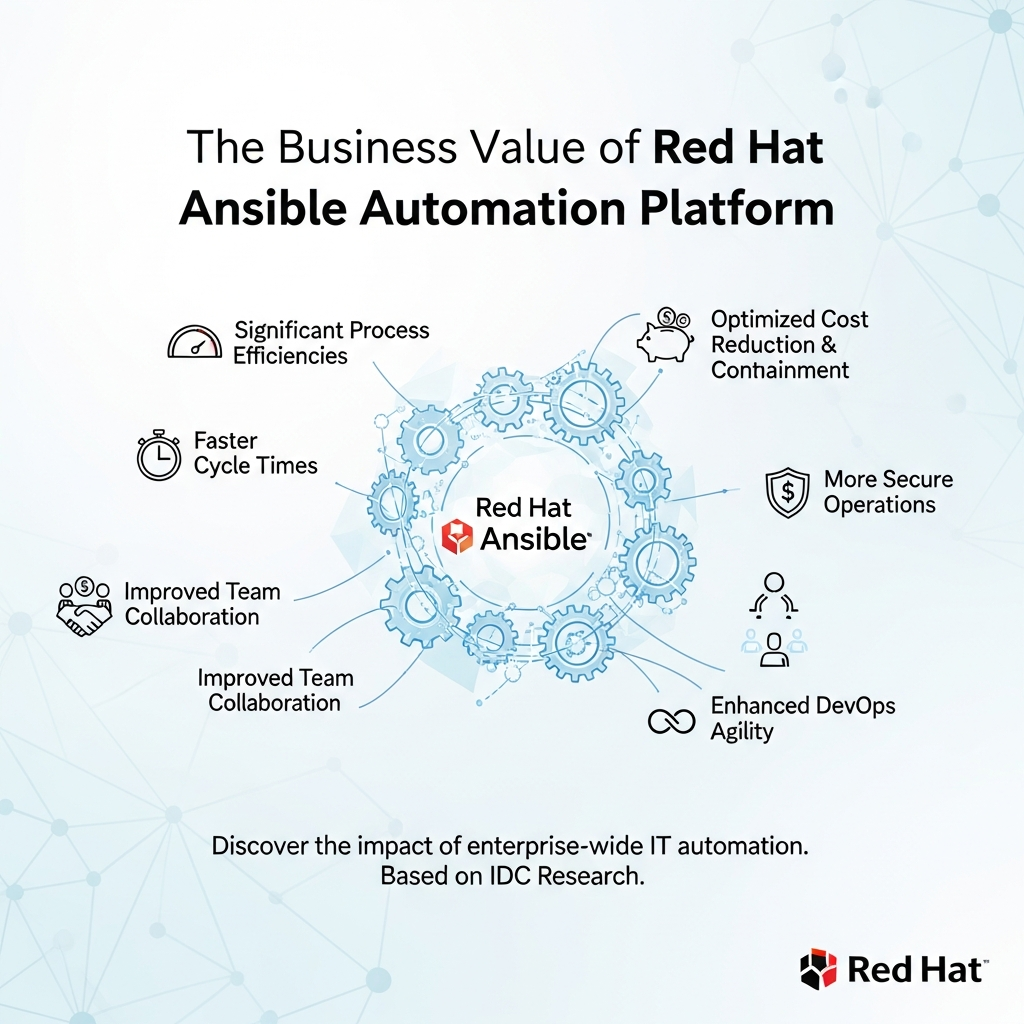
- Increased Efficiency: Automate repetitive tasks, freeing up your team to focus on more strategic initiatives.
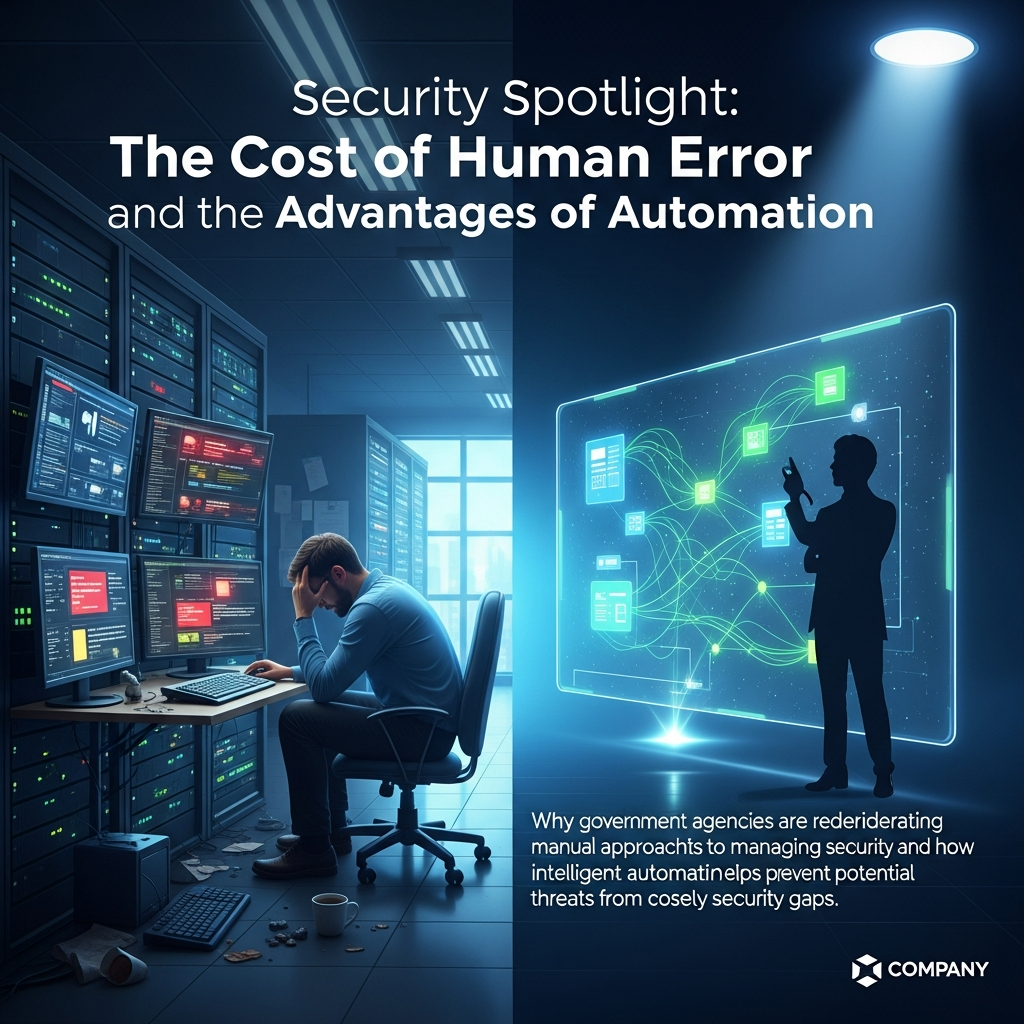
- Reduced Errors: Automate tasks consistently, minimizing human error and ensuring consistent configurations.
- Improved Consistency: Apply the same configurations across all environments, reducing inconsistencies.
- Faster Deployment: Automate application deployments, speeding up the time to market.
- Enhanced Security: Automate security tasks such as patching and vulnerability remediation.
- Cost Savings: Reduce operational costs by automating tasks and minimizing manual effort.
Getting Started with Ansible
Ready to get started? Here’s a basic overview to get you going:
- Installation: Install Ansible on a control node (a machine where you run Ansible commands). You can install it using package managers like `apt` (Debian/Ubuntu) or `yum` (CentOS/RHEL).
- Inventory: Create an inventory file that lists the hosts you want to manage. This file specifies the IP addresses or hostnames of your managed nodes and groups them logically.
- Playbooks: Write playbooks (YAML files) that define the tasks you want to automate. Playbooks consist of plays, which run tasks on specific hosts or groups.
- Modules: Use Ansible modules to interact with your systems. Modules are the building blocks of Ansible automation, providing pre-built functionality for various tasks (e.g., installing packages, managing files, configuring services).
- Execution: Run your playbooks using the `ansible-playbook` command. Ansible will connect to the managed nodes and execute the tasks defined in your playbook.
Best Practices for Ansible Automation Platform
To maximize the effectiveness of Ansible, consider these best practices:
- Version Control: Use a version control system (like Git) to manage your playbooks and track changes.
- Modularity: Break down complex playbooks into smaller, reusable roles.
- Idempotency: Design your playbooks to be idempotent, meaning they can be run multiple times without unintended side effects.
- Testing: Thoroughly test your playbooks in a development environment before deploying them to production.
- Documentation: Document your playbooks, roles, and inventory to make them easier to understand and maintain.
Conclusion
The Ansible Automation Platform offers a powerful and flexible solution for automating your IT infrastructure. By embracing automation, you can significantly improve efficiency, reduce errors, and drive down costs. Start exploring Ansible today, and watch your IT operations transform.
FAQ’s
What is the difference between Ansible and Chef/Puppet?
Ansible is agentless, uses YAML for playbooks, and is generally considered easier to learn and use. Chef and Puppet use agents on managed nodes and employ their own domain-specific languages (DSLs).
What are Ansible roles?
Ansible roles are a way to organize your automation code into reusable units. They encapsulate tasks, variables, files, and templates to make your playbooks more modular and maintainable.
How do I handle secrets in Ansible?
Ansible provides several methods for handling secrets, including Ansible Vault (for encrypting files), environment variables, and external secret management tools.
Where can I find Ansible modules?
You can find a wide variety of Ansible modules on the Ansible documentation website and in the Ansible Galaxy, the official repository for Ansible content.
“`