
Author : RARITAN
“`html
Renewable Energy in the Data Center Industry: Powering the Future
Summary
The data center industry is undergoing a significant transformation, driven by the need for sustainability and the increasing demand for computing power. This article explores the integration of renewable energy sources in data centers, highlighting the benefits, challenges, and future implications. You’ll discover how renewable energy is reshaping data center architecture and contributing to a greener future.
Introduction
In today’s digital age, data centers are the backbone of our interconnected world, supporting everything from social media to cloud computing. However, these facilities are energy-intensive, with a substantial impact on global electricity consumption. According to a recent IEA publication, global data center electricity use in 2020 was 200–250 TWh, accounting for around 1% of global final electricity demand.
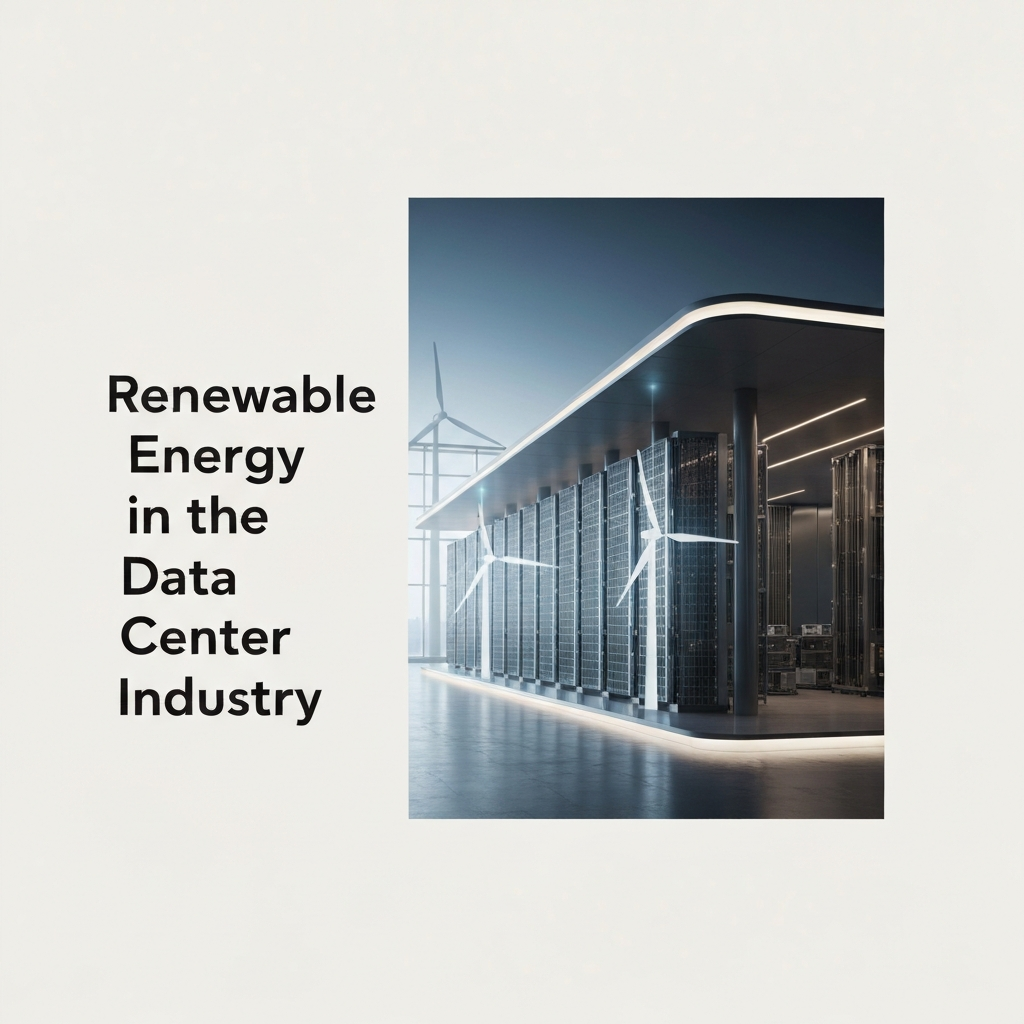
As the demand for data continues to grow, so does the need for sustainable solutions. This is where renewable energy comes into play. Major data center builders are proactively integrating renewable power generation facilities, such as solar and wind farms, alongside their data centers. This strategic move lessens the strain on local utilities while also helping to meet stringent renewable energy production mandates at various levels (local, state, and federal).
This article delves into the transformative impact of renewable energy on the data center industry, providing you with insights into its architecture, benefits, and future prospects.
The Rise of Renewables in Data Centers
The shift towards renewable energy in data centers is not just a trend; it’s a necessity. Several factors are driving this change:
- Environmental Concerns: Reducing carbon footprint and mitigating the effects of climate change.
- Cost Savings: Lowering operational costs through reduced reliance on fluctuating fossil fuel prices.
- Regulatory Compliance: Meeting government regulations and incentives for renewable energy adoption.
- Corporate Social Responsibility: Enhancing brand reputation and attracting environmentally conscious customers.
Impact on Data Center Architecture
Integrating renewable energy significantly impacts the architecture of a data center’s power train. Here’s how:
- Power Generation: Data centers are increasingly incorporating on-site renewable energy generation, such as solar photovoltaic (PV) systems and wind turbines.
- Energy Storage: Battery storage systems are being implemented to store excess energy generated by renewables, ensuring a consistent power supply during peak demand or when renewable sources are unavailable.
- Power Distribution: The power distribution units (PDUs) and uninterruptible power supplies (UPS) are being upgraded to handle the fluctuating nature of renewable energy sources. Smart grids and microgrids are also being implemented to optimize power distribution.
- Cooling Systems: Efficient cooling systems are crucial for data centers. Renewable energy can be used to power these systems.
Benefits of Renewable Energy in Data Centers
Adopting renewable energy offers a multitude of benefits:
- Reduced Carbon Footprint: Lowering greenhouse gas emissions and contributing to a cleaner environment.
- Cost Efficiency: Decreasing long-term energy costs and providing price stability.
- Enhanced Reliability: Diversifying energy sources and reducing dependence on the grid.
- Improved Sustainability: Supporting corporate sustainability goals and attracting environmentally conscious investors.
- Positive Public Relations: Enhancing brand image and meeting stakeholder expectations.
Challenges and Considerations
While the benefits are significant, there are also challenges to consider:
- Initial Investment: The upfront costs of installing renewable energy systems can be substantial.
- Intermittency: Solar and wind power generation can be intermittent, requiring energy storage solutions.
- Grid Integration: Integrating renewable energy sources with the existing power grid can be complex.
- Space Requirements: Renewable energy installations may require significant land area.
- Maintenance: Renewable energy systems require regular maintenance to ensure optimal performance.
Looking Ahead: The Future of Renewable Energy in Data Centers
The future of data centers is inextricably linked to renewable energy. Innovations in energy storage, smart grids, and renewable energy technologies will further enhance the viability and efficiency of these facilities. You can expect:
- Increased Adoption: More data centers will embrace renewable energy sources.
- Technological Advancements: Innovations in solar panels, wind turbines, and energy storage systems.
- Smart Grid Integration: Seamless integration of data centers with smart grids for optimized energy management.
- Greater Sustainability: Data centers will play a leading role in achieving global sustainability goals.
Conclusion
The integration of renewable energy is revolutionizing the data center industry, paving the way for a sustainable and efficient future. By embracing renewable sources, you not only reduce your environmental impact but also enhance your operational efficiency and long-term viability. The transition to renewable energy is not just a trend; it is a fundamental shift that will define the future of the data center industry.
Frequently Asked Questions (FAQ’s)
What are the primary renewable energy sources used in data centers?
Solar photovoltaic (PV) systems and wind turbines are the most common renewable energy sources used in data centers.
How does renewable energy impact data center costs?
While the initial investment can be high, renewable energy can reduce long-term energy costs and provide price stability, leading to overall cost savings.
What are the main challenges of using renewable energy in data centers?
The main challenges include initial investment costs, the intermittency of renewable sources, grid integration complexities, space requirements, and maintenance needs.
How can data centers improve energy efficiency?
Data centers can improve energy efficiency by optimizing cooling systems, using energy-efficient hardware, implementing smart power management systems, and integrating renewable energy sources.
What is the role of energy storage in renewable energy systems for data centers?
Energy storage systems, such as batteries, are crucial for storing excess energy generated by renewables. This ensures a consistent power supply during peak demand or when renewable sources are unavailable, improving reliability and efficiency.
“`