
Author : PALOALTO
“`html
Secure Remote Access: Simplified
Summary
In today’s hybrid work environment, secure remote access is more critical than ever. This guide simplifies the concept, exploring the challenges of traditional methods and highlighting modern solutions. Learn how to protect your data and empower your remote workforce with confidence.
Introduction
The modern workplace is undeniably hybrid. You and your team likely find yourselves working from various locations – the office, home, or on the go. This flexibility is a game-changer, enabling productivity and agility. However, with this freedom comes a crucial need: secure remote access.
Traditional methods like VPNs (Virtual Private Networks) have served their purpose, but they often fall short in providing the performance, security, and ease of management that modern enterprises demand. This guide will help you navigate the landscape of secure remote access, ensuring your data and workforce are protected.
The Challenges of Traditional Remote Access
Before diving into modern solutions, let’s understand the shortcomings of older approaches:
- Performance Bottlenecks: VPNs can slow down internet speeds, hindering productivity.
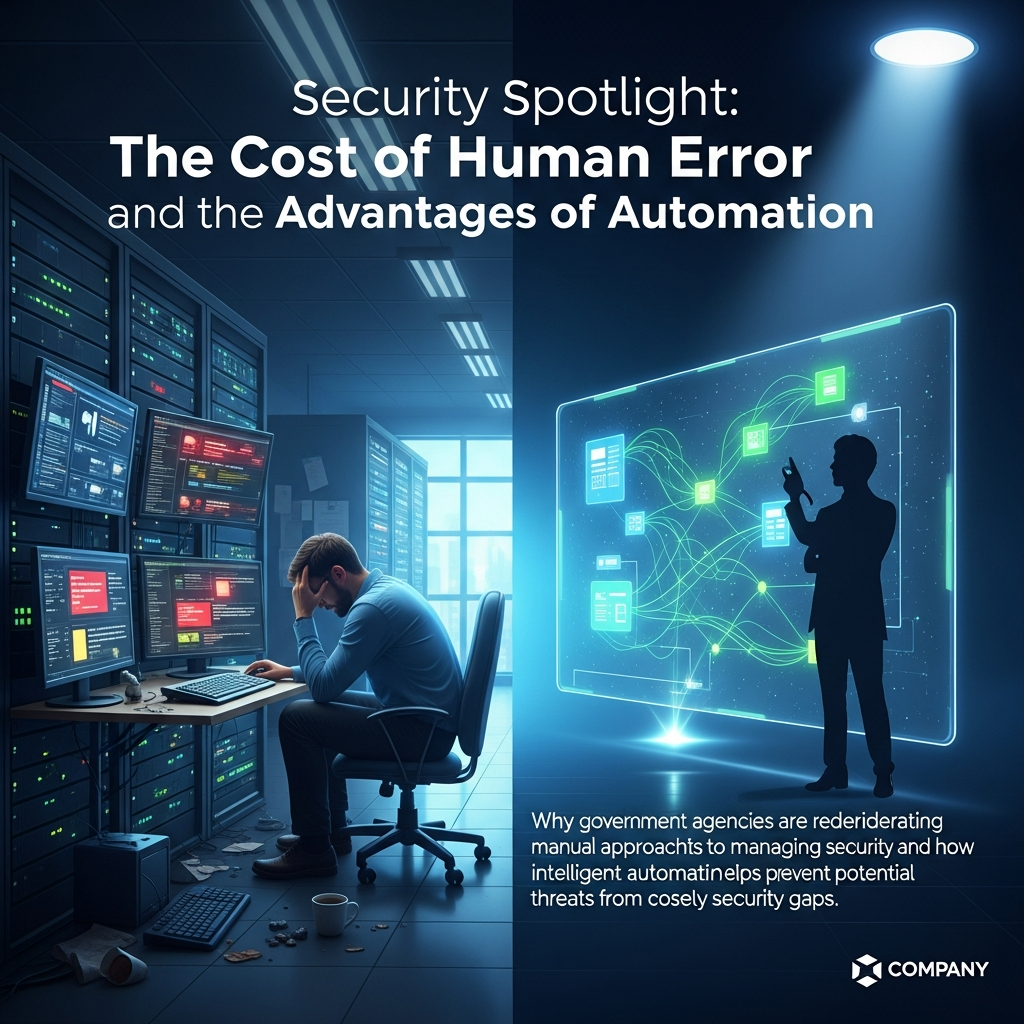
- Security Vulnerabilities: VPNs can be complex to configure and manage, leaving potential gaps for cyberattacks.
- Limited Scalability: Scaling VPN infrastructure to accommodate a growing remote workforce can be challenging and expensive.
- Poor User Experience: Complicated setups and inconsistent connections can frustrate users.
Modern Solutions for Secure Remote Access
Fortunately, several advanced solutions offer enhanced security, performance, and ease of use:
- Zero Trust Network Access (ZTNA): This approach assumes no implicit trust. Every user, device, and application must be verified before access is granted. This minimizes the attack surface.
- Multi-Factor Authentication (MFA): MFA requires users to verify their identity using multiple methods (e.g., password and a code from a mobile app).
- Cloud-Based Solutions: Leveraging cloud-based services simplifies management, improves scalability, and often provides robust security features.
- Software-Defined Perimeter (SDP): SDP creates a secure “perimeter” around each user and application, making them invisible to unauthorized users.
Key Factors for Secure Remote Access
To implement secure remote access successfully, consider these critical factors:
- Strong Authentication: Implement robust authentication methods, including MFA.
- Encryption: Ensure all data transmitted is encrypted, protecting it from eavesdropping.
- Regular Security Audits: Conduct regular security assessments to identify and address vulnerabilities.
- User Training: Educate your team on security best practices to prevent human error.
- Endpoint Security: Secure devices accessing your network with up-to-date antivirus and other security software.
Tips to Improve Your Secure Remote Access
Here are some practical tips to enhance your remote access security:
- Choose Strong Passwords: Encourage the use of complex, unique passwords.
- Keep Software Updated: Regularly update all software and operating systems to patch security vulnerabilities.
- Monitor Network Activity: Implement monitoring tools to detect and respond to suspicious activities.
- Segment Your Network: Divide your network into segments to limit the impact of a security breach.
- Review Access Policies: Regularly review and update access policies to ensure they align with your security needs.
Conclusion
Secure remote access is no longer a luxury; it’s a necessity for thriving in today’s hybrid work environment. By understanding the challenges of traditional methods and embracing modern solutions, you can protect your data, empower your workforce, and foster a productive, secure work environment. Take the necessary steps today to fortify your remote access strategy, and ensure your business can adapt and succeed, no matter where your team members are located.
FAQ’s
- What is Zero Trust Network Access (ZTNA)?
- ZTNA is a security model that assumes no user or device is trustworthy. It verifies every user and device before granting access to applications and resources, significantly reducing the attack surface.
- Why is Multi-Factor Authentication (MFA) important?
- MFA adds an extra layer of security by requiring users to provide multiple forms of verification, making it much harder for unauthorized individuals to access your network.
- How often should I review my security policies?
- You should review your security policies at least annually, or more frequently if your business environment or threat landscape changes significantly.
- What are the benefits of cloud-based remote access solutions?
- Cloud-based solutions offer scalability, ease of management, and often provide advanced security features, allowing you to focus on your core business rather than managing complex infrastructure.
“`