
Author : CITRIX
“`html
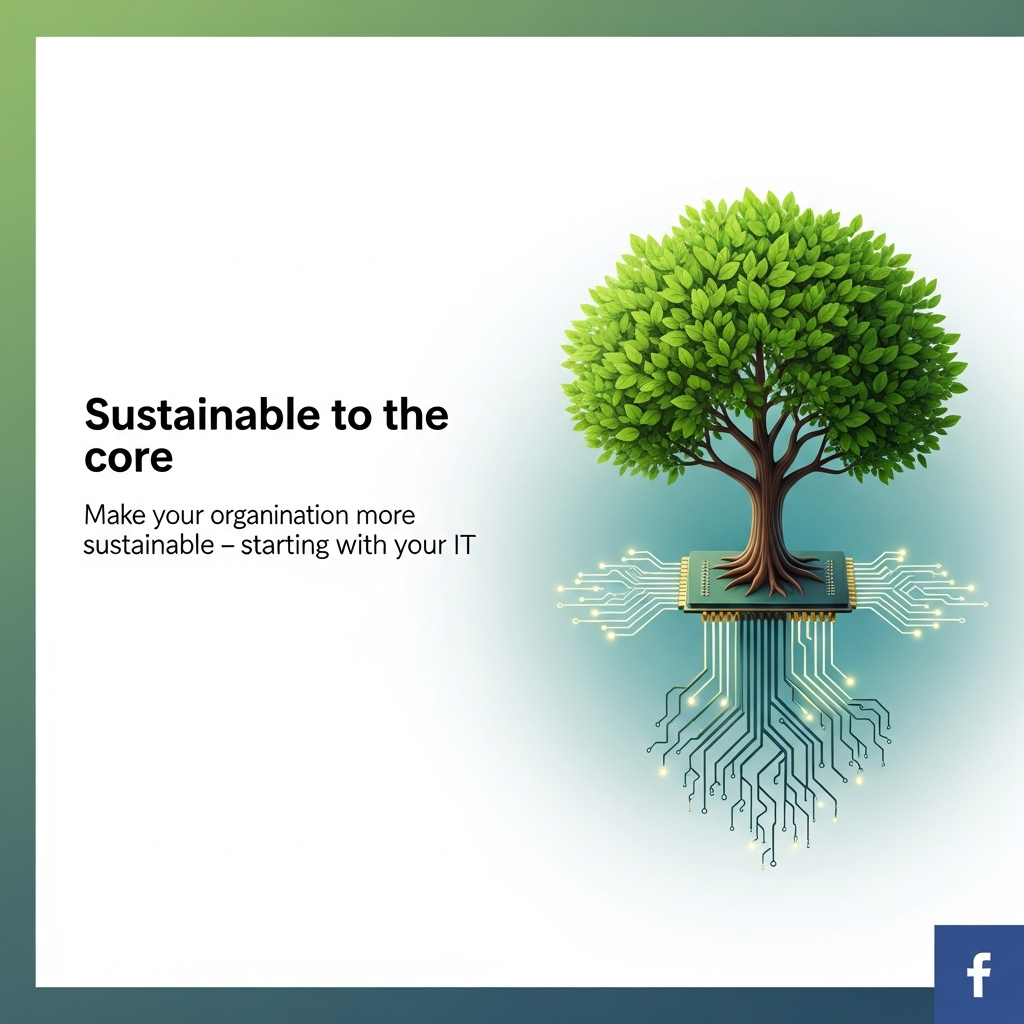
Sustainable to the Core: Make Your Organisation More Sustainable – Starting with Your IT
Summary
Embracing sustainability isn’t just a trend; it’s a necessity. This guide provides actionable steps for making your organization’s IT infrastructure more sustainable, contributing to a healthier planet and a more resilient business. We’ll cover key areas like energy efficiency, waste reduction, and the benefits of a green IT strategy.
Introduction
The world is changing, and the need for sustainability has never been more critical. As we navigate the challenges of climate change, growing populations, and technological advancements, it’s time to re-evaluate our approach to business. Your organization plays a crucial role in shaping a sustainable future. But where do you begin? A great starting point is your IT infrastructure.
At Citrix, we believe that sustainability should be at the core of your operations. This guide will provide you with practical strategies to make your IT more sustainable, fostering a positive impact on both your business and the environment.
Why Sustainable IT Matters
Implementing sustainable IT practices is not only environmentally responsible but also offers significant business advantages:
- Cost Savings: Reduce energy consumption and operational costs.
- Enhanced Reputation: Improve your brand image and attract environmentally conscious customers and employees.
- Increased Efficiency: Optimize resource utilization and streamline processes.
- Compliance: Meet environmental regulations and standards.
- Future-Proofing: Prepare your business for a resource-constrained world.
Key Factors for Sustainable IT
Here are the core areas to focus on when building a sustainable IT strategy:
- Energy Efficiency:
- Use energy-efficient hardware (servers, laptops, monitors).
- Virtualize servers to reduce physical hardware.
- Optimize data center cooling systems.
- Implement power management settings on devices.
- Waste Reduction:
- Reduce paper consumption through digital workflows.
- Recycle electronic waste (e-waste) properly.
- Extend the lifespan of hardware through maintenance and upgrades.
- Sustainable Procurement:
- Choose vendors with sustainable practices.
- Prioritize products with eco-labels (e.g., Energy Star).
- Consider the environmental impact of product packaging and transportation.
- Remote Work and Collaboration:
- Enable remote work options to reduce commuting emissions.
- Utilize cloud-based collaboration tools to minimize travel.
Tips for Implementing Sustainable IT
Take these actionable steps to transform your IT department:
- Conduct an Audit: Assess your current IT infrastructure’s energy consumption, waste generation, and procurement practices.
- Set Goals: Define specific, measurable, achievable, relevant, and time-bound (SMART) sustainability goals.
- Develop a Green IT Policy: Create a comprehensive policy outlining your organization’s sustainability commitments and guidelines.
- Train Employees: Educate your team on sustainable IT practices and encourage their participation.
- Measure and Monitor: Track your progress regularly and make adjustments as needed.
- Collaborate: Partner with vendors and industry peers to share best practices and drive innovation.
Conclusion
Embracing sustainable IT is a journey, not a destination. By implementing these strategies, you can reduce your environmental impact, improve your bottom line, and create a more resilient and responsible organization. Start today and build a better future for your business and the planet.
FAQ’s
“`