
Author : AEM
“`html
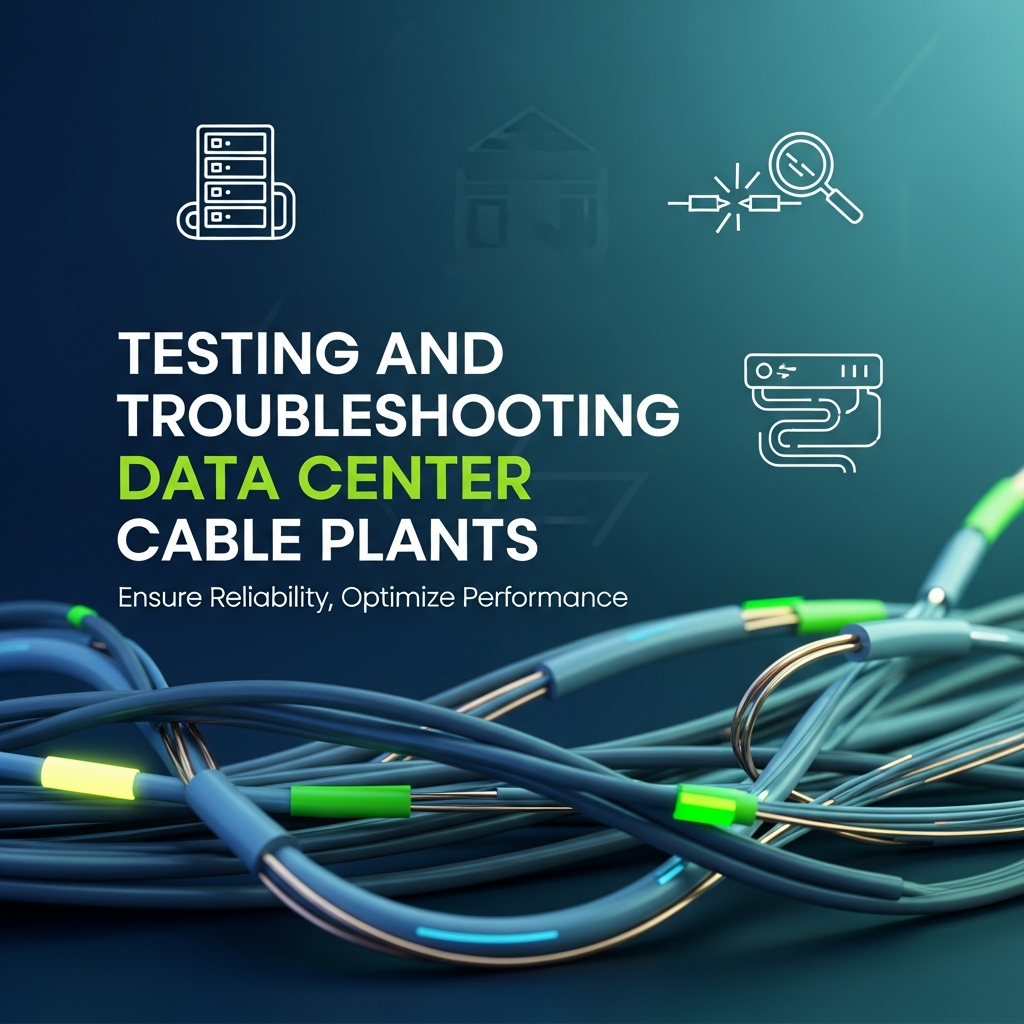
Testing and Troubleshooting Data Center Cable Plants: A Comprehensive Guide
In today’s competitive landscape, optimizing data center (DC) performance and reliability is paramount. As you integrate cutting-edge technologies to enhance application performance and stability, don’t overlook the critical role of your existing DC copper and fiber cable plants. Connectivity issues, reduced speeds, and other inconsistencies often stem from overlooked cabling problems. This guide equips you with the knowledge to effectively test and troubleshoot your data center cable plants, ensuring optimal performance and minimizing downtime.
Introduction
Your data center’s cabling infrastructure is the nervous system of your IT operations. It’s the backbone that carries the lifeblood of data, ensuring seamless communication between servers, storage devices, and network components. Ignoring the health of your cable plant can lead to significant problems, including network slowdowns, application failures, and costly outages. Regular testing and proactive troubleshooting are essential to maintaining a robust and reliable data center.
Why Testing and Troubleshooting are Crucial
Implementing new technologies or upgrading existing infrastructure often puts a strain on your cable plant. Factors like increased bandwidth demands and the introduction of new protocols can expose weaknesses in your cabling. Here’s why regular testing and troubleshooting are non-negotiable:
- Prevent Downtime: Identify and resolve issues before they escalate into major outages.
- Optimize Performance: Ensure your cable plant is capable of supporting the required bandwidth and data transfer rates.
- Reduce Costs: Proactive maintenance helps avoid expensive repairs and replacements.
- Improve Reliability: A well-maintained cable plant contributes to overall system stability.
Key Factors to Consider
To effectively test and troubleshoot your data center cable plants, you need to understand the critical factors involved. Here’s what you should focus on:
- Cable Types: Understand the different types of cables used in your data center (e.g., Cat6a, fiber optic) and their specific performance characteristics.
- Connectors: Inspect connectors for damage, proper termination, and secure connections.
- Testing Equipment: Invest in reliable testing tools, such as cable testers, optical time-domain reflectometers (OTDRs), and power meters.
- Industry Standards: Familiarize yourself with relevant industry standards (e.g., TIA/EIA) for cable performance and testing procedures.
- Documentation: Maintain detailed documentation of your cable plant, including cable layouts, testing results, and any modifications.
Testing Procedures
Regular testing is vital for identifying potential problems. Here are some key testing procedures to implement:
- Visual Inspection: Begin with a thorough visual inspection of all cables, connectors, and pathways. Look for any signs of damage, wear, or improper installation.
- Continuity Testing: Use a cable tester to verify that each cable has a continuous electrical path from end to end.
- Attenuation Testing: Measure the signal loss (attenuation) over the length of the cable. Excessive attenuation can lead to performance issues.
- Near-End Crosstalk (NEXT) Testing: Identify interference between adjacent cable pairs. NEXT testing is crucial for ensuring data integrity.
- Return Loss Testing: Evaluate signal reflections within the cable. High return loss can cause performance degradation.
- Fiber Optic Testing: For fiber optic cables, use an OTDR to measure the length, loss, and reflectance of the fiber. Also, use a power meter to check the optical power levels.
Troubleshooting Tips
When you encounter issues, here’s a structured approach to troubleshooting:
- Isolate the Problem: Identify the specific cable or connection causing the issue.
- Check Connectors: Ensure connectors are properly seated and undamaged.
- Verify Cable Runs: Confirm that cables are routed correctly and not bent too sharply.
- Test with Known Good Cables: Substitute suspect cables with known good ones to rule out cable defects.
- Consult Documentation: Refer to your cable plant documentation for cable layouts and testing results.
- Use Testing Tools: Utilize your testing equipment to diagnose the root cause of the problem.
- Consult Experts: Don’t hesitate to seek expert help if you’re unable to resolve the issue yourself.
Best Practices for a Healthy Cable Plant
Implement these practices for long-term cable plant health:
- Proper Labeling: Clearly label all cables and connectors to facilitate easy identification and troubleshooting.
- Cable Management: Utilize cable trays, racks, and other management tools to keep cables organized and prevent damage.
- Regular Cleaning: Clean connectors and ports to remove dust and debris that can interfere with signal transmission.
- Preventative Maintenance: Schedule regular inspections and testing to proactively identify and address potential issues.
- Documentation Updates: Keep your cable plant documentation up-to-date to reflect any changes or modifications.
Conclusion
Testing and troubleshooting your data center cable plants are critical for maintaining optimal performance, reliability, and uptime. By implementing regular testing procedures, understanding key factors, and following best practices, you can ensure your cabling infrastructure is prepared to support your evolving business needs. Take a proactive approach to cable management and invest in the right tools and expertise. Your data center’s performance depends on it.
FAQ’s
“`