
Author : PASSWORD
“`html
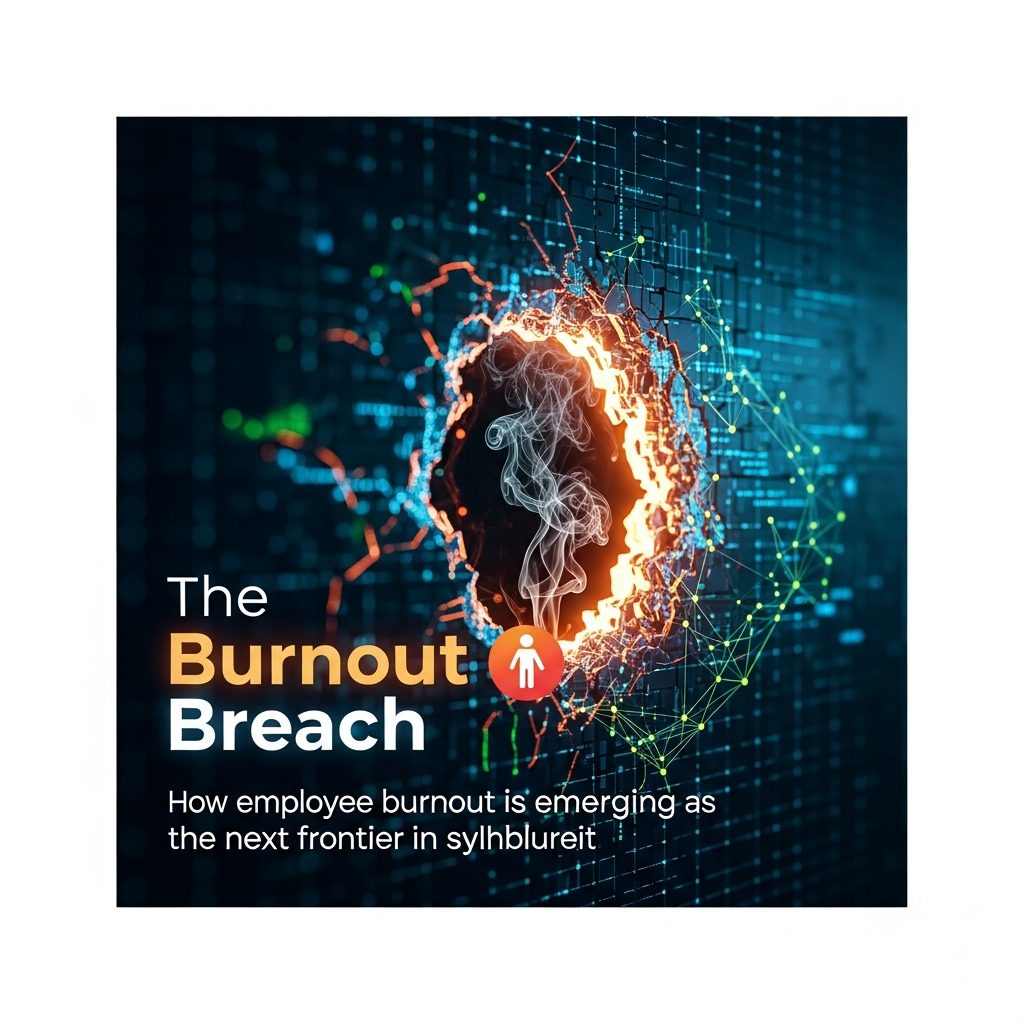
The Burnout Breach: How Employee Burnout is Emerging as the Next Frontier in Cybersecurity
When organizations around the world abruptly pivoted to remote work in the spring of 2020, cybersecurity threats skyrocketed. Suddenly, a proliferation of cloud-based workloads, home network usage, and brand new tools and behaviors exposed dangerous security gaps, which companies struggled mightily to address. But what if the greatest vulnerability isn’t a technical flaw, but the human element? Welcome to the era of the “Burnout Breach,” where employee exhaustion is becoming a critical cybersecurity risk.
Introduction
The cybersecurity landscape has always been a battleground. But today, the war isn’t just against hackers and malware; it’s also against employee burnout. In the rush to adapt to remote work and the ever-evolving threat landscape, many organizations have inadvertently pushed their employees to the brink. This chronic stress and exhaustion create a perfect storm, making your team more susceptible to making costly mistakes that can lead to data breaches and other security incidents.
The Burnout Breach: Understanding the Risks
Burnout isn’t just feeling tired; it’s a state of emotional, physical, and mental exhaustion caused by prolonged or excessive stress. When employees are burned out, their performance suffers, and they become more likely to make errors. In the context of cybersecurity, this can have devastating consequences.
Here’s how employee burnout can lead to a security breach:
- Increased susceptibility to phishing attacks: Burnout impairs your ability to think clearly, making it easier to fall for phishing scams.
- Password fatigue and poor security practices: Exhausted employees may resort to reusing passwords or neglecting security protocols.
- Careless handling of sensitive data: Burnout can lead to a lack of attention to detail, increasing the risk of data leaks and breaches.
- Insider threats: Stressed and disengaged employees may become disgruntled and intentionally or unintentionally cause harm.
Key Factors Contributing to Burnout in Cybersecurity
Several factors unique to the cybersecurity field can exacerbate burnout:
- Constant vigilance: Cybersecurity professionals are always “on,” facing relentless threats and high-pressure situations.
- Long working hours: The need to respond to incidents and maintain systems often leads to extended workdays.
- Information overload: Staying abreast of the latest threats, vulnerabilities, and technologies can be overwhelming.
- Lack of work-life balance: The always-on nature of cybersecurity can blur the lines between professional and personal life.
- Understaffing: A shortage of skilled cybersecurity professionals can create a heavy workload for existing employees.
How to Combat the Burnout Breach: Strategies for Prevention
Protecting your organization requires a proactive approach. Here’s how you can address employee burnout and strengthen your cybersecurity posture:
- Promote a healthy work-life balance: Encourage employees to take breaks, set boundaries, and disconnect from work outside of working hours.
- Offer flexible work arrangements: Allow employees to adjust their work schedules to better suit their personal needs.
- Invest in employee well-being programs: Provide access to mental health resources, wellness programs, and stress management training.
- Foster a culture of open communication: Encourage employees to speak up about their workload, stress levels, and any challenges they are facing.
- Provide adequate training and support: Equip employees with the skills and resources they need to succeed and feel confident in their roles.
- Recognize and reward employee contributions: Acknowledge and appreciate employees’ hard work and dedication.
- Automate repetitive tasks: Free up your team from mundane tasks, allowing them to focus on more strategic initiatives.
Conclusion
The Burnout Breach is a serious threat to cybersecurity, and it requires your immediate attention. By prioritizing employee well-being, you can significantly reduce the risk of human error, improve security posture, and create a more resilient and engaged workforce. Remember, a healthy and supported team is your first line of defense against cyber threats.
FAQ’s
What are the signs of employee burnout?
Signs of burnout include exhaustion, cynicism, reduced professional efficacy, and changes in behavior, such as irritability, withdrawal, and increased errors.
How can I identify burnout in my team?
Regular check-ins, performance reviews, and observation of employee behavior can help you identify burnout. Look for signs of fatigue, disengagement, and decreased productivity.
What if an employee is already experiencing burnout?
Offer support and resources, such as counseling services, and encourage them to take time off. Adjust their workload and provide flexibility to help them recover.
How does remote work impact burnout?
Remote work can exacerbate burnout by blurring the lines between work and personal life, leading to longer working hours and increased isolation.
Can technology help prevent burnout?
Yes, tools that automate tasks, improve communication, and support employee well-being can help prevent burnout.
“`