

Author : GLOBALIZATION PARTNER
“`html
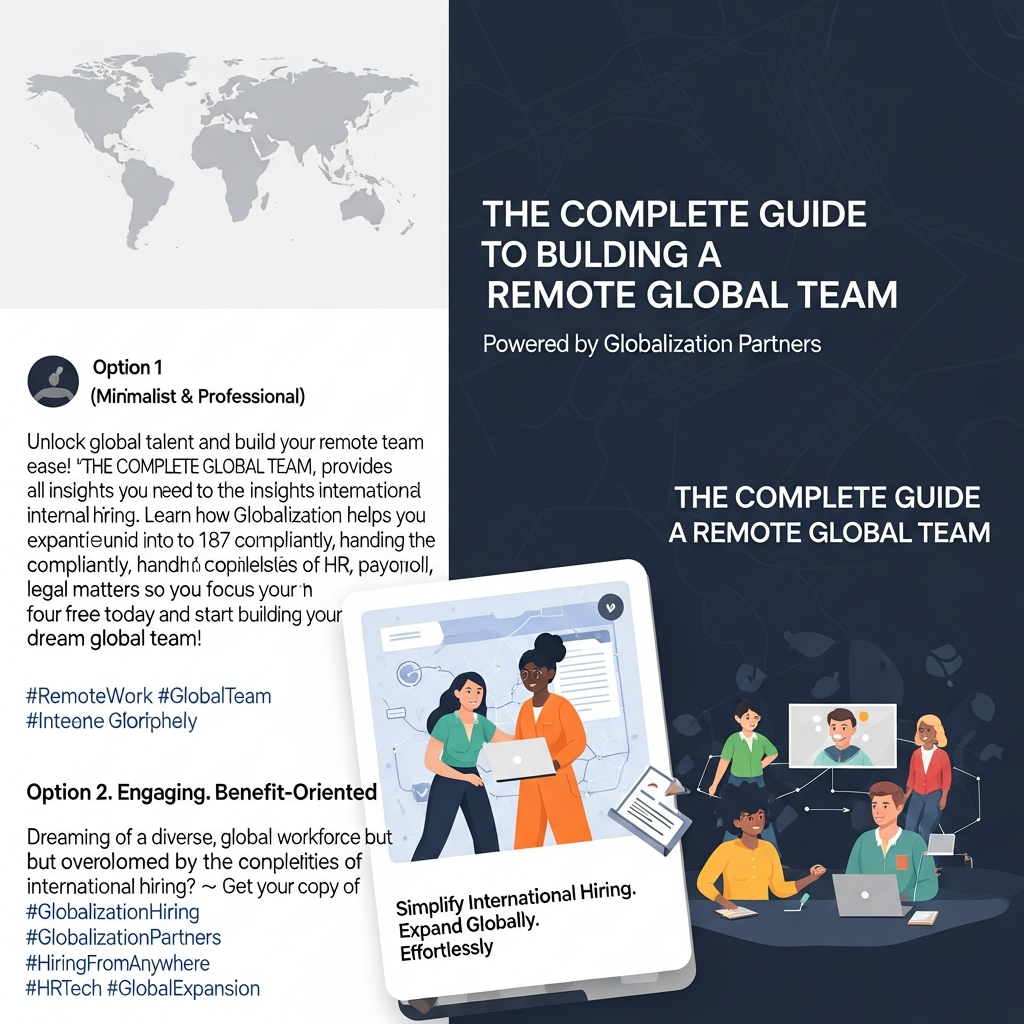
THE COMPLETE GUIDE TO BUILDING A REMOTE GLOBAL TEAM
Summary
Building a remote global team opens up incredible opportunities for growth and access to top talent worldwide. This guide provides a comprehensive roadmap, covering everything from planning and recruitment to managing and fostering a thriving global team. You’ll learn how to overcome common challenges, leverage the benefits of a diverse workforce, and build a successful remote global team.
Introduction
In today’s interconnected world, the ability to build a remote global team is no longer a luxury—it’s a necessity for businesses aiming for rapid growth and innovation. The advantages are clear: access to a wider talent pool, increased diversity of perspectives, and the potential for 24/7 productivity. But building such a team requires careful planning and execution. This guide is designed to provide you with a step-by-step approach to building and managing a successful remote global team.
1. Planning and Strategy
Before you start hiring, you need a solid plan. Consider these key factors:
- Define Your Needs: What skills and expertise do you need? What roles are best suited for remote work?
- Set Clear Goals: What do you hope to achieve by building a global team? Define measurable objectives.
- Budgeting: Factor in costs like salaries, benefits, technology, and legal compliance.
- Legal and Compliance: Research employment laws and regulations in the countries where you plan to hire. (Consider using services like Globalization Partners to help navigate these complexities.)
2. Sourcing and Recruiting Global Talent
Finding the right people is crucial. Here’s how to attract and hire top talent globally:
- Leverage Online Platforms: Use job boards, social media, and professional networking sites.
- Highlight Your Company Culture: Showcase your values and what makes your company a great place to work.
- Tailor Job Descriptions: Be specific about the role, required skills, and remote work expectations.
- Consider Time Zone Differences: Plan your interview process accordingly.
- Assess Cultural Fit: Ensure candidates align with your company’s values and work style.
3. Onboarding and Training
A smooth onboarding process is essential for setting new team members up for success.
- Create a Comprehensive Onboarding Plan: Include introductions to the team, company policies, and essential tools.
- Provide Thorough Training: Equip your team with the knowledge and resources they need to excel.
- Use Technology: Utilize video conferencing, project management software, and communication tools.
- Foster a Sense of Community: Encourage interaction and collaboration among team members.
4. Communication and Collaboration
Effective communication is the cornerstone of a successful remote team.
- Establish Clear Communication Channels: Choose the right tools for different types of communication (e.g., Slack, Microsoft Teams, email).
- Set Communication Protocols: Define expectations for response times, meeting schedules, and project updates.
- Embrace Asynchronous Communication: Encourage team members to document their work and share updates proactively.
- Schedule Regular Team Meetings: Use video conferencing to build relationships and discuss progress.
5. Managing and Leading a Global Team
Effective management ensures productivity and team cohesion.
- Set Clear Expectations and Goals: Define performance metrics and provide regular feedback.
- Provide Regular Feedback: Offer both positive and constructive criticism.
- Promote Autonomy and Trust: Empower team members to take ownership of their work.
- Recognize and Reward Achievements: Acknowledge and celebrate successes.
- Address Conflicts Promptly: Mediate any disagreements and find resolutions.
6. Legal and Compliance Considerations
Navigating the legal landscape is crucial for global teams.
- Understand Employment Laws: Research and adhere to the employment laws in each country where you have team members.
- Consider International Payroll: Ensure accurate and timely payments. (Consider using services like Globalization Partners.)
- Address Data Privacy: Comply with data protection regulations like GDPR.
- Understand Tax Implications: Be aware of tax obligations in each country.
7. Building a Strong Company Culture
Maintaining a strong company culture is vital for team morale and productivity.
- Foster a Sense of Community: Encourage team-building activities, both virtual and in-person (when possible).
- Promote Diversity and Inclusion: Embrace different perspectives and create an inclusive environment.
- Encourage Open Communication: Create a safe space for team members to share ideas and concerns.
- Celebrate Successes: Recognize and reward accomplishments.
8. Leveraging Technology
The right technology can make or break a remote global team.
- Project Management Tools: (e.g., Asana, Trello) for task management and collaboration.
- Communication Platforms: (e.g., Slack, Microsoft Teams) for instant messaging and team communication.
- Video Conferencing: (e.g., Zoom, Google Meet) for meetings and team building.
- Cloud Storage: (e.g., Google Drive, Dropbox) for file sharing and collaboration.
- Time Tracking Software: (e.g., Time Doctor, Toggl Track) to monitor productivity and track working hours.
Conclusion
Building a remote global team is a rewarding but complex endeavor. By following the steps outlined in this guide, you can create a diverse, talented, and highly productive team that drives your business forward. Remember to prioritize clear communication, build a strong company culture, and stay informed about legal and compliance requirements. With careful planning and execution, you can unlock the full potential of a remote global team and achieve significant business success.
Frequently Asked Questions (FAQ)
Plan meetings at times that work for the majority of your team. Utilize asynchronous communication and flexible working hours to accommodate different time zones.
Research employment laws and tax regulations in each country where you have team members. Consider using services like Globalization Partners to navigate these complexities and ensure compliance.
Encourage regular communication, schedule virtual team-building activities, and foster a strong company culture that celebrates diversity and inclusion.
Challenges include communication barriers, time zone differences, cultural differences, and ensuring legal and tax compliance. Proactive planning, clear communication, and utilizing the right tools can mitigate these challenges.
“`