
Author : FIVETRAN
“`html
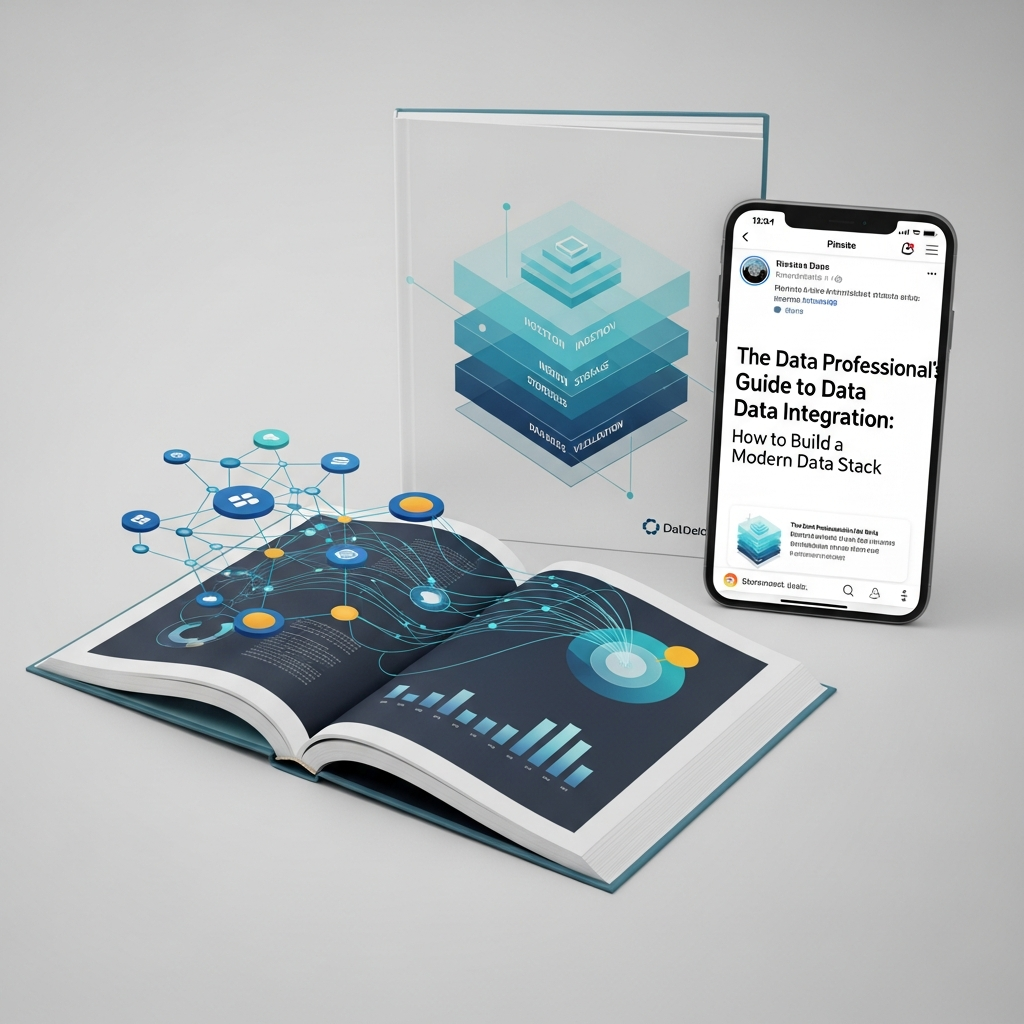
The Data Professional’s Guide to Data Integration: How to Build a Modern Data Stack
Summary
In today’s data-driven world, the ability to integrate data effectively is crucial for business success. This guide provides a comprehensive roadmap for data professionals, helping you understand the modern data stack and build a robust data integration strategy. You’ll learn the key components, best practices, and essential tools to transform your organization into a data-driven powerhouse.
Introduction
Highly competitive companies are fueled by data. Modern businesses use data to rapidly adjust to the market and create new products. Companies that are data-driven also give their customers personalized experiences and make digital interactions more fulfilling for everyone, including employees. As a data professional, you understand the importance of data integration. It’s the cornerstone of any successful data strategy. However, the landscape is constantly evolving. Building a modern data stack requires more than just knowing the basics; it demands a forward-thinking approach. This guide will help you navigate the complexities of data integration and build a data stack that empowers your organization.
Understanding the Modern Data Stack
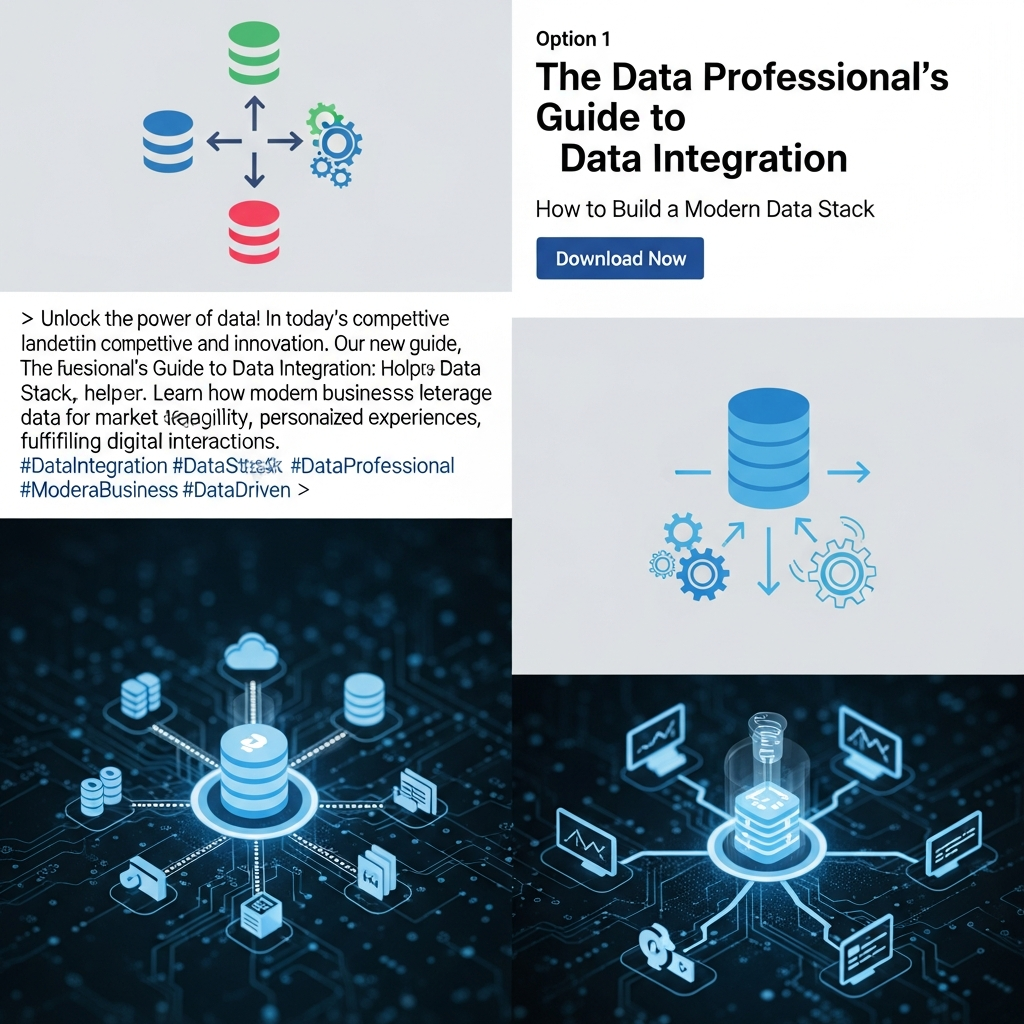
The modern data stack is a collection of tools and technologies designed to help you collect, store, process, and analyze data efficiently. It typically includes the following key components:
- Data Sources: Where your data originates (e.g., databases, SaaS applications, APIs).
- Data Ingestion: Tools for moving data from sources to a central repository.
- Data Storage: Data warehouses or data lakes for storing your data.
- Data Transformation: Tools for cleaning, transforming, and preparing data for analysis.
- Data Analysis & Reporting: Tools for analyzing data and creating visualizations and reports.
Building Your Data Integration Strategy
To build a successful modern data stack, consider these key factors:
- Define Your Objectives: What business questions do you want to answer? What insights do you need?
- Choose the Right Tools: Select tools that meet your specific needs and budget. Consider scalability, ease of use, and integration capabilities.
- Prioritize Data Quality: Implement data validation and cleansing processes to ensure accuracy.
- Automate Where Possible: Automate data integration workflows to save time and reduce errors.
- Ensure Security and Compliance: Implement robust security measures and adhere to data privacy regulations.
Data Integration Best Practices
Follow these best practices to optimize your data integration efforts:
- Start Small: Begin with a pilot project to test your data integration strategy.
- Use a Centralized Approach: Consolidate your data into a single source of truth.
- Implement Data Governance: Establish policies and procedures for data management.
- Monitor and Optimize: Continuously monitor your data pipelines and optimize them for performance.
- Stay Updated: Keep abreast of the latest data integration trends and technologies.
Tools to Consider
There are many tools available to help you build your modern data stack. Here are a few popular options:
- Data Ingestion: Fivetran, Stitch, Airbyte
- Data Warehouses: Snowflake, Amazon Redshift, Google BigQuery
- Data Transformation: dbt, Trifacta
- BI and Reporting: Tableau, Power BI, Looker
Conclusion
Building a modern data stack is an ongoing journey, not a destination. By understanding the key components, following best practices, and continuously adapting to new technologies, you can empower your organization with the insights it needs to thrive. Embrace the power of data integration and transform your business into a data-driven leader.
Frequently Asked Questions (FAQ)
Data integration is the process of combining data from different sources to provide users with a unified view of the data. It involves collecting, cleaning, transforming, and loading data into a central repository.
Data integration is crucial for making informed business decisions, improving operational efficiency, and gaining a competitive advantage. It allows organizations to access and analyze data from multiple sources, providing a comprehensive view of their operations.
The key components of a modern data stack include data sources, data ingestion tools, data storage (data warehouses or data lakes), data transformation tools, and data analysis & reporting tools.
Consider your specific needs, budget, scalability requirements, ease of use, and integration capabilities when selecting data integration tools. Research different options and choose the tools that best align with your organization’s goals.
“`