
Author : ESG
“`html
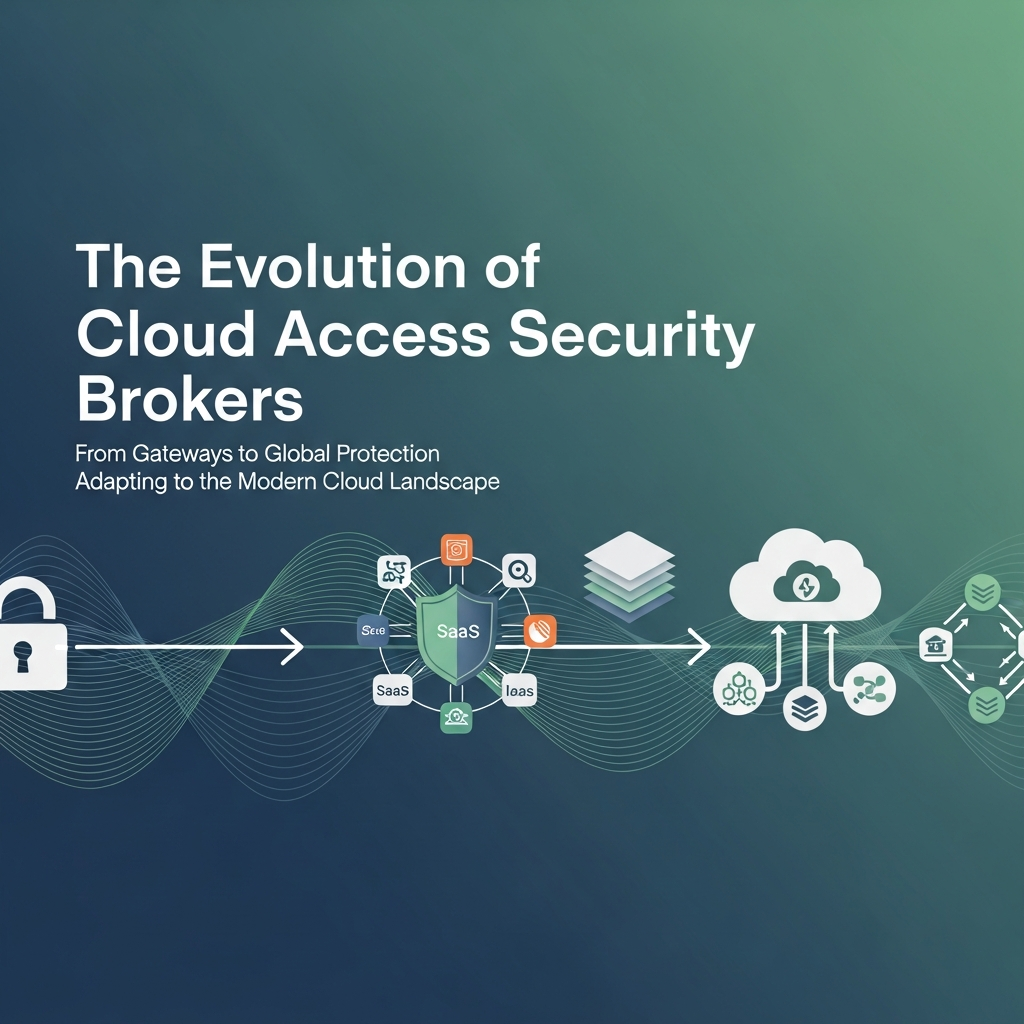
The Evolution of Cloud Access Security Brokers
In today’s dynamic digital landscape, cloud computing has become the backbone of modern businesses. As organizations increasingly migrate their data and applications to the cloud, the need for robust security solutions has never been more critical. This is where Cloud Access Security Brokers (CASBs) come into play, acting as vital gatekeepers for your cloud environment. Let’s explore the evolution of CASBs, understanding their journey from basic security tools to sophisticated, integrated platforms.
Introduction: The Genesis of CASBs
Initially, cloud adoption presented significant security challenges. Traditional security tools weren’t designed to handle the complexities of cloud environments. This gap led to the emergence of CASBs. These solutions were created to address the unique security needs of cloud services, providing visibility, control, and data protection.
The Early Days: Shadow IT and Basic Controls
Early CASBs focused primarily on addressing “Shadow IT” – the use of unsanctioned cloud applications by employees. Their primary functions included:
- Discovery: Identifying cloud applications in use.
- Risk Assessment: Evaluating the security posture of cloud apps.
- Policy Enforcement: Implementing basic access controls.
The Rise of Advanced CASBs: Integration and Comprehensive Protection
As cloud adoption matured, so did CASBs. Today’s advanced CASBs offer a comprehensive suite of security features, including:
- Data Loss Prevention (DLP): Protecting sensitive data from leakage.
- Threat Protection: Detecting and mitigating malicious activities.
- Compliance: Ensuring adherence to regulatory requirements.
- User and Entity Behavior Analytics (UEBA): Identifying unusual user behavior.
- Integration: Seamlessly integrating with other security tools. For example, Palo Alto Networks Next-Generation CASB offers integrated, accurate protection.
Key Factors Driving CASB Evolution
Several factors have fueled the evolution of CASBs:
- Increased Cloud Adoption: The exponential growth of cloud services has increased the attack surface, necessitating more robust security solutions.
- Sophisticated Threats: Cyber threats have become more complex, requiring advanced detection and response capabilities.
- Regulatory Compliance: Compliance with regulations like GDPR, HIPAA, and CCPA has become paramount, driving the need for CASBs to ensure data privacy and security.
- Hybrid and Multi-Cloud Environments: Organizations now operate across multiple cloud providers and on-premises infrastructure, demanding CASBs that can provide consistent security across all environments.
Tips for Choosing the Right CASB Solution
Selecting the right CASB is crucial for securing your cloud environment. Consider these tips:
- Comprehensive Coverage: Ensure the CASB supports all the cloud applications you use.
- Advanced Threat Protection: Look for features like UEBA and threat intelligence integration.
- Data Loss Prevention: The CASB should offer robust DLP capabilities to protect sensitive data.
- Ease of Integration: The solution should seamlessly integrate with your existing security infrastructure.
- Scalability: Choose a CASB that can scale to meet your growing cloud needs.
Conclusion: The Future of CASBs
The evolution of CASBs reflects the changing landscape of cloud security. As cloud adoption continues to grow, CASBs will remain essential for securing your data and applications. By understanding their evolution and capabilities, you can make informed decisions to protect your organization. The future of CASBs will likely involve even greater integration, automation, and advanced threat intelligence, providing a more proactive and adaptive approach to cloud security.
FAQ’s
What is a CASB?
A Cloud Access Security Broker (CASB) is a security policy enforcement point that is placed between cloud service users and cloud service providers to combine and interject enterprise security policies as the cloud-based resources are accessed.
What are the key benefits of using a CASB?
CASBs provide enhanced visibility into cloud app usage, data loss prevention, threat protection, and compliance enforcement, helping organizations secure their cloud environments.
How do CASBs protect against data loss?
CASBs use data loss prevention (DLP) techniques to identify and prevent sensitive data from leaving the organization’s control, whether intentionally or unintentionally.
Can a CASB integrate with my existing security infrastructure?
Yes, modern CASBs are designed to integrate with existing security tools like SIEMs, firewalls, and endpoint protection platforms.
“`