
Author : FORCEPOINT
“`html
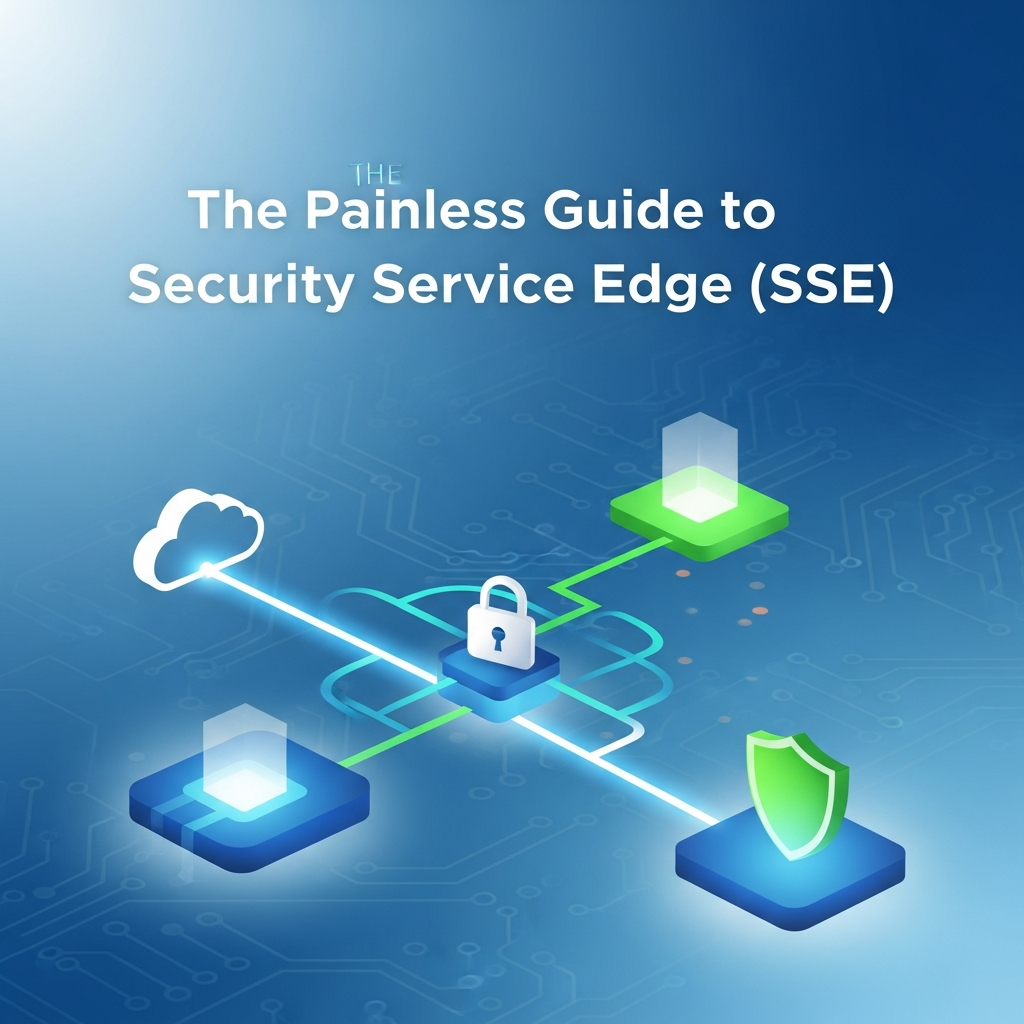
The Painless Guide to Security Service Edge (SSE)
Summary
In today’s digital landscape, securing your business can feel overwhelming. This guide offers a clear and concise explanation of Security Service Edge (SSE), a crucial framework for modern cybersecurity. You’ll learn what SSE is, why it’s essential, and how it can simplify your security posture while protecting your valuable data and users.
Introduction
Your business operates in a digital-first world. Applications and data are rapidly moving to the cloud, and your employees are working remotely more than ever before. This shift introduces new security challenges. The old ways of securing your network are no longer sufficient. You’re likely managing a multitude of security tools, each with its own console, alerts, and complexities. This leads to increased risk, operational overhead, and rising costs. The good news? There’s a better way.
This is where Security Service Edge (SSE) comes into play. SSE is a cloud-delivered security architecture designed to address these challenges. It simplifies security, improves efficiency, and reduces the attack surface, allowing you to focus on what matters most: growing your business.
What is Security Service Edge (SSE)?
Security Service Edge (SSE) is a cloud-based security model that consolidates several critical security functions into a single platform. It focuses on providing secure access to cloud resources, web applications, and private applications, regardless of where your users are located or what devices they are using. Think of it as a comprehensive security perimeter delivered from the cloud.
Key Components of SSE:
- Cloud Access Security Broker (CASB): Controls and secures access to cloud applications, preventing data leakage and ensuring compliance.
- Secure Web Gateway (SWG): Protects users from web-based threats by filtering malicious content, blocking access to inappropriate websites, and enforcing security policies.
- Zero Trust Network Access (ZTNA): Provides secure, remote access to private applications, verifying user identity and device posture before granting access, thus minimizing the attack surface.
- Data Loss Prevention (DLP): Prevents sensitive data from leaving your organization, regardless of where it resides or how it’s being accessed.
Why is SSE Important?
SSE is crucial for modern businesses for several reasons:
- Enhanced Security: Protects against modern threats with a comprehensive, integrated security approach.
- Improved User Experience: Provides seamless and secure access to applications, regardless of location or device.
- Reduced Complexity: Simplifies security management by consolidating multiple security functions into a single platform.
- Cost Savings: Reduces the need for multiple security tools, lowering operational costs and improving efficiency.
- Increased Agility: Enables businesses to quickly adapt to changing security threats and evolving business needs.
Benefits of Implementing SSE
- Simplified Security Architecture: Reduces the number of security tools you need to manage.
- Improved Visibility and Control: Provides centralized visibility into your security posture and allows you to enforce consistent security policies.
- Reduced Risk: Minimizes the attack surface and protects against data breaches.
- Enhanced Compliance: Helps you meet regulatory requirements and industry best practices.
- Scalability and Flexibility: Easily adapts to your changing business needs and grows with your organization.
Tips for Implementing SSE Successfully
- Assess Your Current Security Posture: Identify your existing security tools, vulnerabilities, and areas for improvement.
- Define Your Security Requirements: Determine your specific security needs and goals.
- Choose the Right SSE Provider: Evaluate different SSE vendors and choose the one that best fits your needs.
- Plan Your Implementation: Develop a detailed implementation plan, including timelines, resources, and training.
- Train Your Staff: Ensure your IT team and end-users are trained on how to use and manage the SSE solution.
- Continuously Monitor and Optimize: Regularly monitor your SSE solution and make adjustments as needed to ensure optimal performance and security.
Conclusion
In conclusion, Security Service Edge (SSE) is a vital framework for modern cybersecurity. By adopting an SSE approach, you can significantly improve your security posture, reduce complexity, and empower your workforce to operate securely from anywhere. Don’t let the complexities of traditional security hold you back. Embrace SSE and take control of your digital future. It’s time to simplify your security and protect what matters most.
Frequently Asked Questions (FAQ)
- What is the difference between SSE and SASE?
- SSE focuses on the security aspects of SASE (Secure Access Service Edge). SASE is a broader framework that combines security with networking capabilities, such as SD-WAN.
- Is SSE suitable for all types of businesses?
- Yes, SSE is designed to be scalable and adaptable to businesses of all sizes and industries.
- How long does it take to implement SSE?
- Implementation time varies depending on the complexity of your environment and the chosen SSE provider. However, the process is typically faster and easier than implementing multiple point solutions.
- What are the key considerations when choosing an SSE provider?
- Consider factors such as the vendor’s security capabilities, integration with existing tools, scalability, ease of use, and pricing.
- Does SSE replace my existing security tools?
- SSE often consolidates and replaces some of your existing security tools, streamlining your security architecture and reducing management overhead.
“`