
Author : PALOALTO
“`html
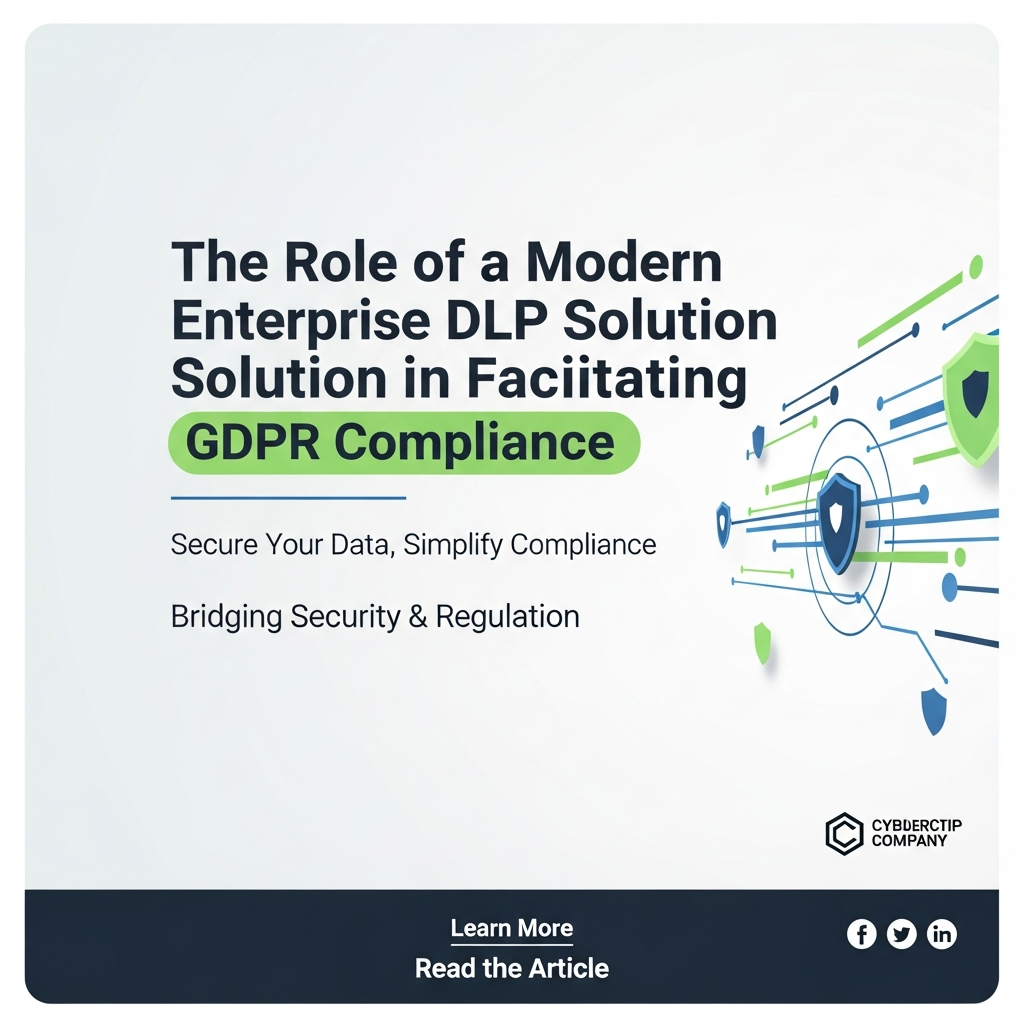
The Role of a Modern Enterprise DLP Solution in Facilitating GDPR Compliance
Summary
In today’s data-driven world, safeguarding personal data is more critical than ever, especially with the stringent regulations of the General Data Protection Regulation (GDPR). This blog post explores how a modern Enterprise Data Loss Prevention (DLP) solution plays a pivotal role in helping organizations achieve and maintain GDPR compliance. We’ll delve into the core functionalities of DLP, its benefits in the context of GDPR, and practical tips for implementation. By understanding and leveraging a robust DLP solution, you can protect sensitive data, minimize the risk of breaches, and build trust with your customers.
Introduction
The General Data Protection Regulation (GDPR), enacted in 2018, revolutionized data privacy laws, giving individuals greater control over their personal data. As a business, you’re likely grappling with the complexities of compliance. This is where a modern Enterprise Data Loss Prevention (DLP) solution comes into play. It’s not just a technological tool; it’s a strategic asset in your compliance arsenal.
Understanding GDPR and its Impact
The GDPR’s primary aim is to protect the personal data of individuals within the European Union. This includes data collected, stored, processed, and transferred. Non-compliance can lead to hefty fines, reputational damage, and loss of customer trust. Key aspects of GDPR include:
- Data Subject Rights: Individuals have the right to access, rectify, and erase their personal data (the “right to be forgotten”).
- Data Minimization: Only collect data that is absolutely necessary for the specified purpose.
- Data Security: Implement appropriate security measures to protect personal data.
- Data Breach Notification: Report data breaches to the supervisory authority within 72 hours.
- Accountability: Demonstrate compliance through documentation and processes.
How a Modern DLP Solution Aids GDPR Compliance
A modern DLP solution provides comprehensive data protection capabilities that directly support GDPR compliance. Here’s how:
- Data Discovery and Classification: DLP solutions can identify and classify sensitive data, such as Personally Identifiable Information (PII) and special categories of data, making it easier to manage and protect.
- Data Loss Prevention: Prevent sensitive data from leaving your organization through various channels like email, cloud storage, and removable media.
- Data Monitoring: Monitor data in transit and at rest to detect and prevent unauthorized access or use.
- Incident Response: Quickly respond to data breaches with automated alerts and workflows.
- Reporting and Auditing: Generate reports and audit trails to demonstrate compliance and track data handling activities.
Key Features of a Modern Enterprise DLP Solution for GDPR Compliance
To effectively support GDPR compliance, look for a DLP solution with these key features:
- Comprehensive Data Discovery: Ability to scan and identify sensitive data across various data stores (e.g., file servers, databases, cloud applications).
- Context-Aware Policies: Define policies based on data content, user behavior, and data location.
- User Activity Monitoring: Track user actions related to sensitive data to detect risky behavior.
- Data Encryption: Protect data at rest and in transit with strong encryption.
- Integration Capabilities: Seamless integration with other security tools and systems.
Implementing a DLP Solution: Best Practices
Successfully implementing a DLP solution involves careful planning and execution. Consider these best practices:
- Assess Your Data Environment: Identify where sensitive data resides and how it’s being used.
- Define Clear Policies: Create data protection policies that align with GDPR requirements.
- Choose the Right Solution: Select a DLP solution that meets your specific needs and integrates well with your existing infrastructure.
- Train Your Employees: Educate employees about data protection policies and best practices.
- Regularly Monitor and Update: Continuously monitor the effectiveness of your DLP solution and update policies as needed.
Conclusion
In conclusion, a modern Enterprise DLP solution is an indispensable tool for achieving and maintaining GDPR compliance. By proactively protecting sensitive data, monitoring data usage, and responding to incidents effectively, you can minimize risks, safeguard customer trust, and avoid costly penalties. Implementing a DLP solution is not just about technology; it’s about fostering a culture of data protection within your organization.
FAQ’s
What is the primary goal of the GDPR?
The primary goal of the GDPR is to give individuals more control over their personal data and to simplify the regulatory environment for international business.
How does DLP help with the “right to be forgotten”?
DLP solutions can help locate and identify personal data, enabling organizations to comply with data erasure requests more efficiently. They can also prevent data from being accidentally or maliciously leaked.
What are the consequences of non-compliance with GDPR?
Non-compliance with GDPR can result in significant fines (up to 4% of annual global turnover or €20 million, whichever is higher), reputational damage, and loss of customer trust.
Can a DLP solution fully guarantee GDPR compliance?
While a DLP solution is a critical component of GDPR compliance, it’s not a silver bullet. You also need to establish robust data protection policies, train employees, and maintain proper documentation.
“`