
Author : VMWARE
“`html
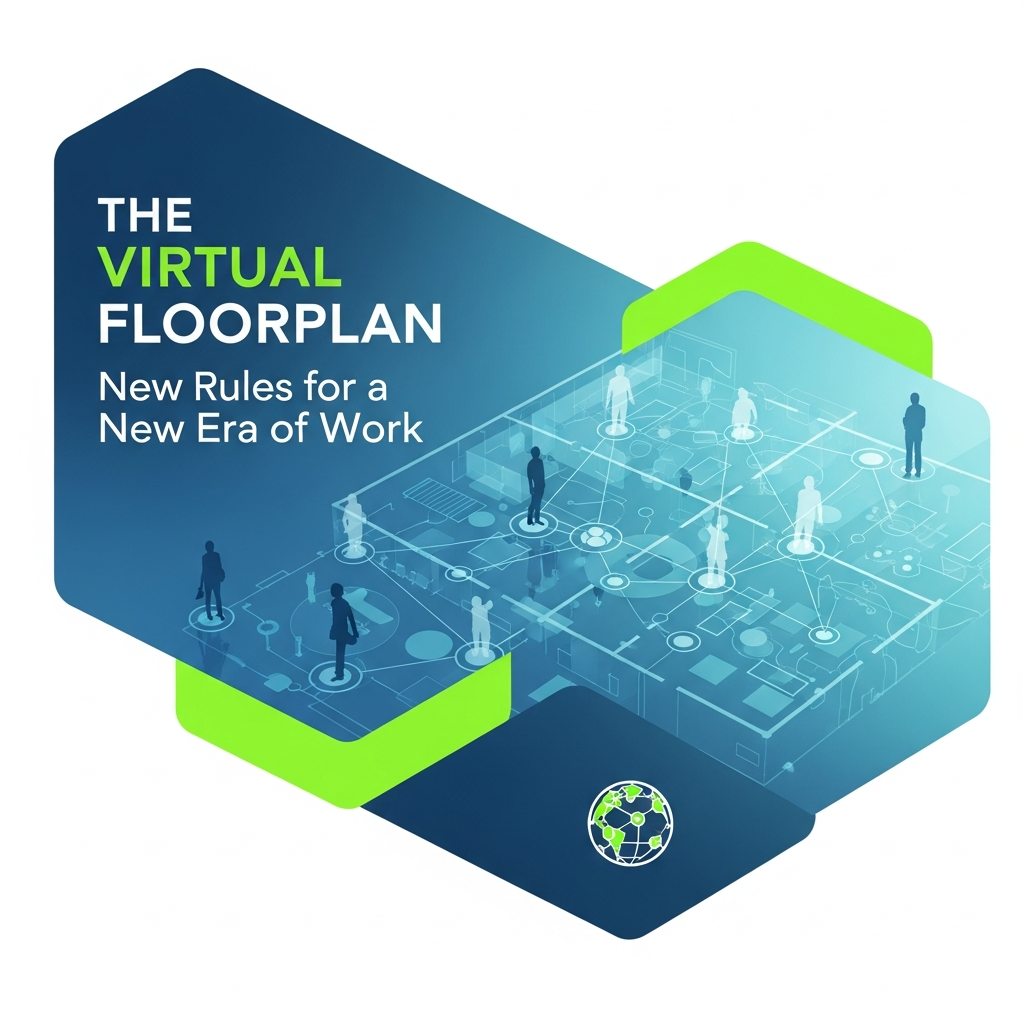
THE VIRTUAL FLOORPLAN: New Rules for a New Era of Work
Hybrid work is no longer a futuristic concept; it’s the present. The shift towards remote and hybrid models was accelerated by the pandemic, but the underlying drivers were already in motion. Advances in digital workspace technology have made it possible to work effectively from anywhere. You’re witnessing the birth of a new way of organizing the workforce: the “virtual floorplan,” where colleagues collaborate and connect primarily through digital channels. This is an exciting but uncharted territory. Let’s explore how to navigate it and thrive.
Introduction
Welcome to the era of the virtual floorplan. This new landscape requires a fresh perspective on how we approach work, manage teams, and ensure business success. You’ll find that embracing this change brings unprecedented opportunities for growth, increased productivity, and enhanced employee satisfaction. However, it’s essential to approach this transition strategically. This guide will provide you with the insights and tools you need to excel in the new world of work.
Understanding the Virtual Floorplan
The virtual floorplan is more than just remote work; it’s a fundamental shift in how we structure our organizations. It prioritizes flexibility, digital communication, and a focus on outcomes. Consider these key factors:
- Digital Collaboration: Teams rely on digital tools for communication, project management, and file sharing.
- Flexible Work Arrangements: Employees have greater autonomy over where and when they work.
- Emphasis on Outcomes: Performance is measured by results rather than physical presence.
- Enhanced Communication: Open communication fosters trust and transparency.
Key Considerations for Success
Navigating the virtual floorplan requires careful planning and execution. Here are some essential considerations:
1. Communication and Collaboration
Effective communication is the cornerstone of any successful virtual team. To facilitate seamless collaboration:
- Choose the Right Tools: Select communication and collaboration platforms that meet your team’s needs (e.g., Slack, Microsoft Teams, Zoom).
- Establish Clear Communication Protocols: Define response times, preferred communication channels for different types of messages, and meeting etiquette.
- Encourage Regular Check-ins: Schedule regular virtual meetings to discuss progress, address challenges, and foster team cohesion.
2. Data Security
Data security becomes more critical in a remote environment. Ensure that your organization is well-protected by:
- Implement Robust Security Measures: Use VPNs, multi-factor authentication, and data encryption to protect sensitive information.
- Provide Security Training: Educate employees about phishing, malware, and other cyber threats.
- Establish Clear Data Handling Policies: Define guidelines for data storage, sharing, and disposal.
3. Fostering Connection and Culture
Maintaining a strong company culture in a virtual environment is essential for employee engagement and retention. Consider these strategies:
- Encourage Virtual Social Activities: Organize virtual coffee breaks, team-building games, and social events.
- Promote Recognition and Appreciation: Acknowledge and reward employees for their contributions.
- Create Opportunities for Informal Communication: Encourage employees to connect and build relationships through virtual water coolers or dedicated channels.
4. Performance Management
Shifting from traditional performance management to a results-oriented approach is critical:
- Set Clear Goals and Expectations: Define specific, measurable, achievable, relevant, and time-bound (SMART) goals for each employee.
- Provide Regular Feedback: Offer constructive feedback and coaching to help employees improve their performance.
- Use Performance Tracking Tools: Utilize project management and performance tracking tools to monitor progress and identify areas for improvement.
Conclusion
The virtual floorplan is transforming the way we work, offering unprecedented opportunities for growth and innovation. By understanding its key elements and implementing the strategies outlined in this guide, you can successfully navigate this new era of work and create a thriving, engaged, and productive workforce. Embrace the change, adapt to the new rules, and unlock the full potential of your team.
FAQ’s
Studies show that remote work can boost productivity. The key is to manage and communicate effectively.
Yes, with strong communication, virtual social activities, and regular check-ins.
Implement robust security measures like VPNs, multi-factor authentication, and data encryption.
Increased freedom, productivity, and improved cohesiveness.
Measure success by outcomes, not physical presence, and by setting clear, measurable goals.
“`