

Author : REDHAT
“`html
Automation Strategy for Financial Services: Benefits of a Standardized Approach
The financial services industry is in constant flux. You’re likely navigating increasing volatility, evolving customer expectations, and the demand for seamless digital experiences. To stay ahead, you need to be agile, efficient, and compliant. This is where a robust automation strategy, particularly one built on standardized infrastructure automation, becomes your secret weapon.
Introduction: Embracing Automation in a Dynamic Landscape
The financial services industry is facing unprecedented challenges. Dynamic customer preferences, the push for digital services, and the need for more personalized assistance are all putting pressure on your operations. Moreover, you must operate within a complex web of regulations and requirements, demanding constant vigilance and adaptability. Automation isn’t just a trend; it’s a necessity for survival and growth. By automating key processes, you can streamline operations, reduce costs, enhance security, and ultimately, provide better service to your customers.
The Power of Standardized Infrastructure Automation
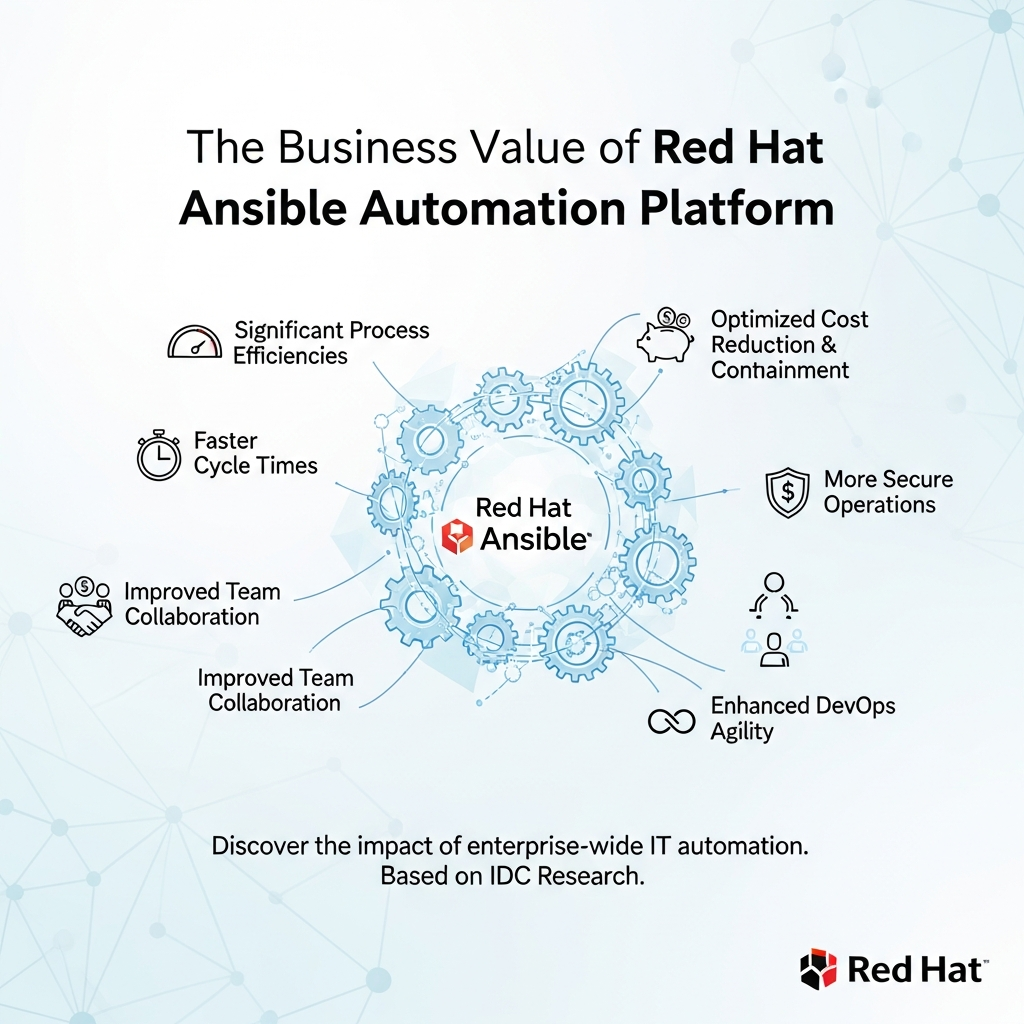
A standardized approach to infrastructure automation is key to unlocking the full potential of automation within your organization. It involves establishing consistent processes, tools, and configurations across your IT infrastructure. This consistency offers significant advantages:
- Reduced Errors: Standardization minimizes human error, a significant source of operational disruptions and compliance issues.
- Increased Efficiency: Automated and standardized processes run faster and require less manual intervention.
- Enhanced Security: Standardized configurations are easier to secure and monitor, reducing your vulnerability to cyber threats.
- Improved Compliance: Standardized processes simplify audit trails and ensure adherence to regulatory requirements.
- Cost Savings: Automation reduces the need for manual labor, leading to significant cost savings in the long run.
- Faster Time to Market: Quickly deploy new services and applications.
Key Benefits of Automation in Financial Services
Implementing automation across your financial services operations brings a multitude of benefits:
- Improved Customer Experience: Faster transaction processing, reduced wait times, and personalized services contribute to increased customer satisfaction.
- Enhanced Regulatory Compliance: Automation helps to ensure adherence to stringent industry regulations, minimizing the risk of penalties.
- Cost Reduction: Automation streamlines processes, reduces manual errors, and optimizes resource utilization, leading to significant cost savings.
- Increased Efficiency and Productivity: By automating repetitive tasks, your employees can focus on more strategic and value-added activities.
- Enhanced Risk Management: Automation improves accuracy, reduces errors, and strengthens security, mitigating potential risks.
- Better Data Management: Automating data collection and analysis provides better insights for making informed business decisions.
How to Build a Successful Automation Strategy
Developing a successful automation strategy requires careful planning and execution. Consider these key steps:
- Assess Your Current State: Evaluate your existing infrastructure, processes, and pain points to identify areas ripe for automation.
- Define Your Goals: Clearly outline your automation objectives and desired outcomes (e.g., cost reduction, improved customer service, enhanced security).
- Choose the Right Tools: Select automation tools and platforms that align with your specific needs and infrastructure.
- Develop a Phased Implementation Plan: Start with pilot projects and gradually expand your automation efforts.
- Ensure Proper Training and Support: Equip your team with the necessary skills and knowledge to manage and maintain your automated systems.
- Prioritize Security: Build security into every stage of your automation strategy.
- Monitor and Optimize: Continuously monitor your automation processes and make adjustments to improve performance and efficiency.
Conclusion: The Future is Automated
Embracing automation, particularly through a standardized approach to infrastructure, is no longer optional in financial services. It’s a critical enabler of efficiency, compliance, and customer satisfaction. By implementing a well-defined automation strategy, you can position your organization for long-term success in a rapidly evolving market. Now is the time to embrace the power of automation and build a more agile, resilient, and customer-centric future.
Frequently Asked Questions (FAQ)
What are the biggest challenges of implementing automation in financial services?
Some of the biggest challenges include legacy systems integration, security concerns, the need for skilled personnel, and the complexities of regulatory compliance.
How can automation improve regulatory compliance?
Automation can streamline compliance processes, ensure data accuracy, generate audit trails, and facilitate reporting, reducing the risk of non-compliance.
What are the key tools for infrastructure automation?
Popular tools include Ansible, Terraform, Puppet, Chef, and cloud-native automation services offered by providers like AWS, Azure, and Google Cloud.
How do I measure the success of my automation initiatives?
Key metrics include reduced operational costs, improved processing times, fewer errors, enhanced security, and increased customer satisfaction.
“`