

Author : REDHAT
“`html
Scalable, Actionable Anti-Money Laundering Infrastructure from Red Hat
In today’s dynamic financial landscape, global banking efforts are expanding with a growing number of financial products, a renewed focus on local markets, and increased integration between commercial and investment banking operations. This evolution brings new opportunities but also significant challenges, particularly in the realm of Anti-Money Laundering (AML). As financial institutions navigate this complex environment, the need for robust, scalable, and actionable AML infrastructure becomes paramount. This guide explores how Red Hat solutions can help you build such an infrastructure, ensuring compliance, mitigating risks, and protecting your organization’s reputation.
Summary
This blog post will delve into the critical importance of a robust AML infrastructure, the challenges faced by financial institutions, and how Red Hat’s open-source solutions can provide a scalable, actionable, and compliant framework. We’ll explore key considerations, practical strategies, and real-world benefits of leveraging Red Hat technologies to enhance your AML capabilities, ensuring you are well-equipped to combat financial crime effectively.
Introduction: The Imperative for Robust AML Infrastructure
The financial industry is undergoing rapid transformation. With increasing globalization and the rise of digital banking, the potential for money laundering and other financial crimes has also grown. Failure to adequately detect and prevent money laundering activities can lead to severe consequences, including hefty fines, negative press, and significant reputational damage. As such, building a strong AML infrastructure is no longer optional; it is a critical necessity for survival and success.
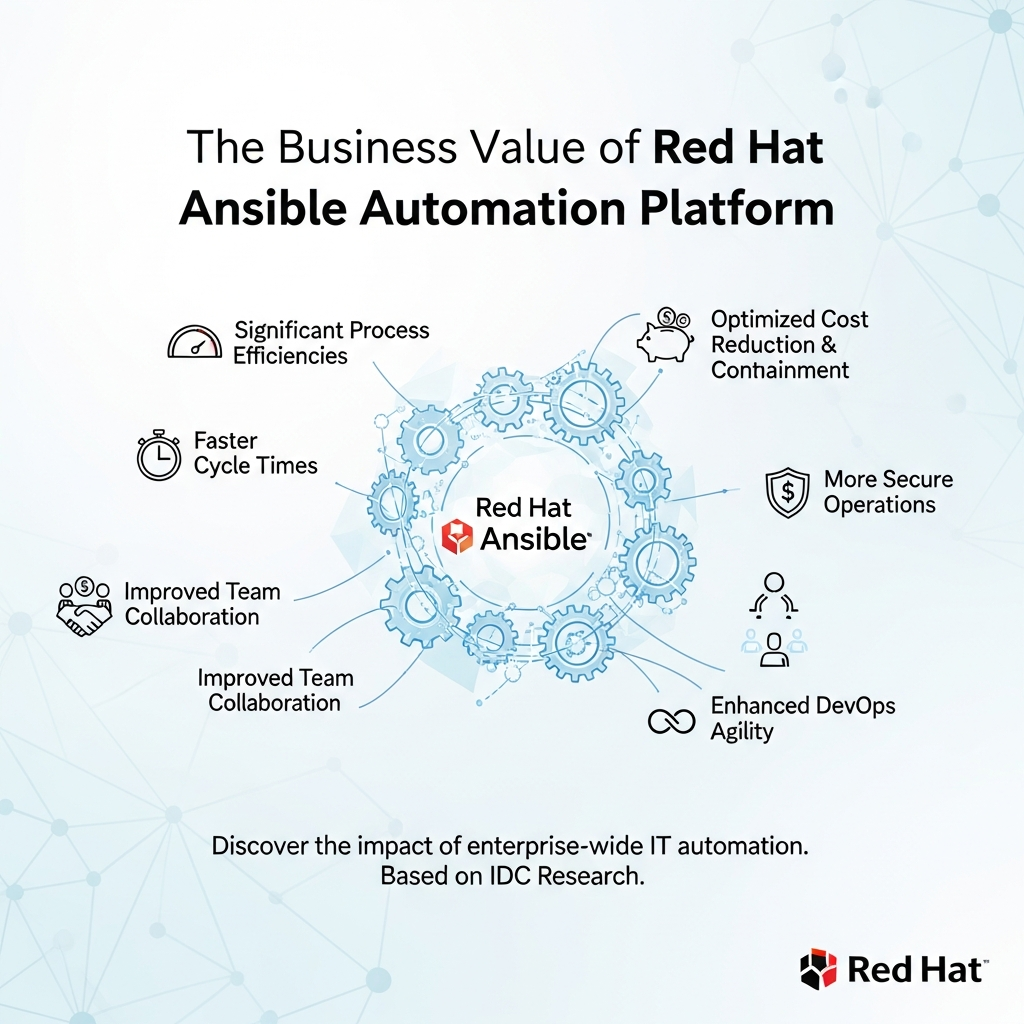
This is where Red Hat steps in. Red Hat offers a suite of open-source solutions designed to help financial institutions build a scalable, flexible, and efficient AML infrastructure. You can enhance your AML capabilities by using Red Hat solutions, which provides you with a comprehensive and adaptable approach to meet today’s and tomorrow’s complex AML challenges.
Key Factors to Consider in Building Your AML Infrastructure
When constructing your AML infrastructure, several critical factors deserve your attention:
- Scalability: Your infrastructure must be able to handle increasing transaction volumes and data growth without performance degradation.
- Real-time Processing: The ability to process data and detect suspicious activities in real-time is crucial for timely intervention.
- Data Integration: Seamless integration of data from various sources (transaction data, customer profiles, sanctions lists, etc.) is essential for comprehensive analysis.
- Automation: Automating key processes, such as transaction monitoring and alert generation, can significantly improve efficiency.
- Compliance: Your infrastructure must adhere to all relevant AML regulations and industry standards, such as those set by FinCEN, FATF, and others.
- Adaptability: The ability to adapt to changing regulations and emerging threats is essential for long-term effectiveness.
Leveraging Red Hat Solutions for AML
Red Hat offers a range of technologies that can be combined to create a powerful AML infrastructure:
- Red Hat OpenShift: Provides a scalable and flexible platform for deploying and managing your AML applications.
- Red Hat Integration: Facilitates seamless data integration from diverse sources using technologies like Apache Kafka and Apache Camel.
- Red Hat Process Automation Manager: Automates key AML processes, such as alert management and case management.
- Red Hat Decision Manager: Enables the implementation of business rules for transaction monitoring and suspicious activity detection.
- Red Hat Enterprise Linux: Offers a secure and reliable operating system foundation for your AML infrastructure.
Actionable Steps for Implementation
Here’s how you can take action:
- Assess Your Current State: Evaluate your existing AML infrastructure and identify areas for improvement.
- Define Requirements: Clearly define your AML goals and the specific requirements for your new infrastructure.
- Design Your Solution: Design a solution leveraging Red Hat technologies to meet your specific needs.
- Implement and Test: Implement your solution in a phased approach, testing each component thoroughly.
- Deploy and Monitor: Deploy your solution and continuously monitor its performance, making adjustments as needed.
Benefits of a Red Hat-Based AML Infrastructure
Implementing a Red Hat-based AML infrastructure provides several key benefits:
- Improved Compliance: Ensure adherence to AML regulations and industry standards.
- Enhanced Efficiency: Automate processes and improve the efficiency of your AML operations.
- Reduced Costs: Optimize resource utilization and reduce operational costs.
- Enhanced Risk Management: Improve your ability to detect and prevent money laundering activities.
- Increased Agility: Adapt quickly to changing regulations and emerging threats.
Conclusion
Building a robust and scalable AML infrastructure is no longer an option but a necessity in today’s financial landscape. By leveraging Red Hat’s open-source solutions, you can create a flexible, efficient, and compliant AML framework that protects your organization from financial crime and reputational damage. Take the steps today to assess your current state, define your requirements, and design a Red Hat-based AML solution that meets your specific needs. With the right technology and approach, you can navigate the complexities of AML and protect your business.
Frequently Asked Questions (FAQ)
1. What are the key components of an AML infrastructure?
Key components include transaction monitoring, customer due diligence, sanctions screening, reporting, and case management.
2. How can Red Hat solutions help with data integration in AML?
Red Hat Integration, using technologies like Apache Kafka and Apache Camel, facilitates seamless data integration from various sources.
3. How can automation improve AML processes?
Automation improves efficiency by automating tasks like transaction monitoring, alert generation, and case management, freeing up resources for more complex investigations.
4. Is Red Hat OpenShift suitable for AML workloads?
Yes, Red Hat OpenShift provides a scalable and flexible platform for deploying and managing AML applications, ensuring high availability and efficient resource utilization.
5. How can I get started with a Red Hat-based AML solution?
Start by assessing your current AML infrastructure, defining your requirements, and then designing a solution using Red Hat technologies. Consider working with Red Hat partners for implementation support.
“`