
Author : HEXAWARE
“`html
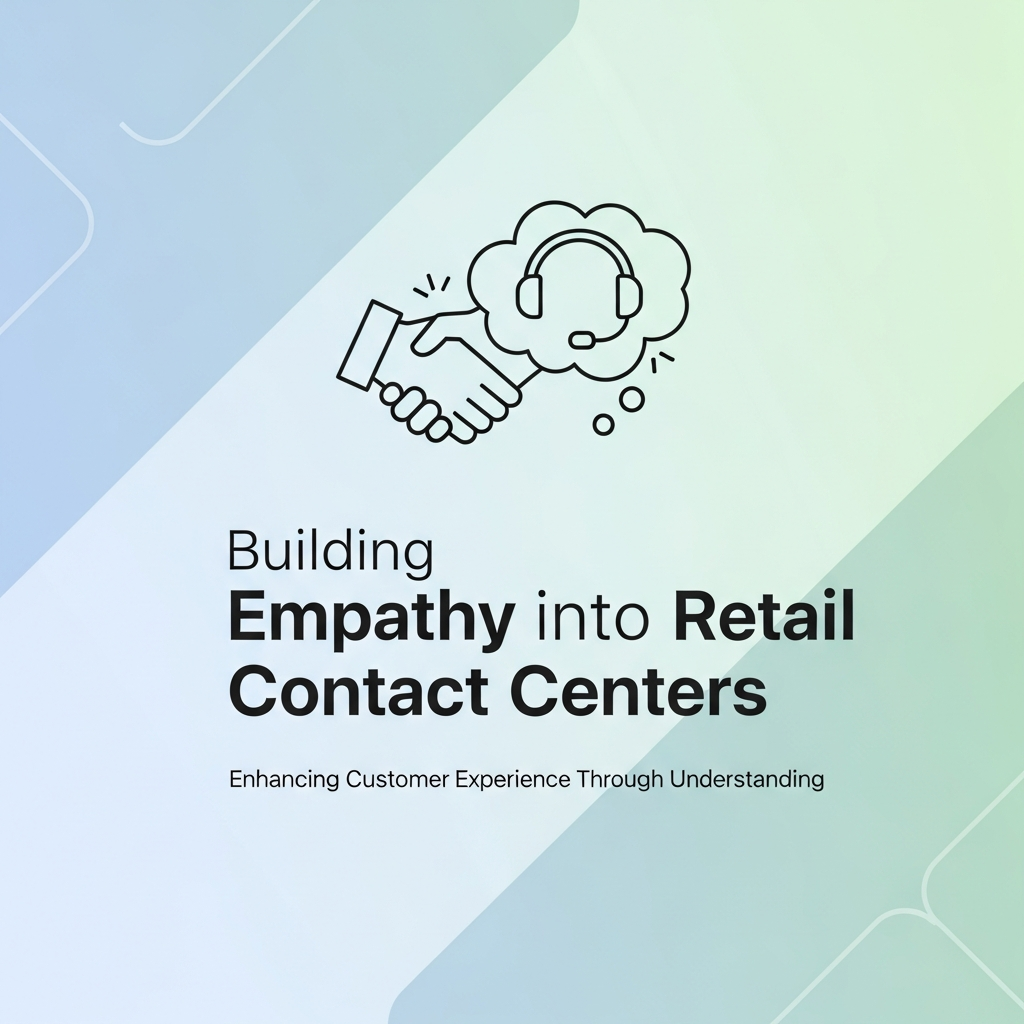
Building Empathy into Retail Contact Centers: A Guide to Enhanced Customer Experience
Summary
In today’s evolving retail landscape, marked by the rise of online shopping and increased competition, empathy in contact centers is no longer optional – it’s essential. This guide explores how retail businesses can cultivate empathy within their contact centers to foster stronger customer relationships, improve satisfaction, and drive loyalty. We’ll delve into the challenges faced by retailers, the importance of empathy, actionable strategies, and how to measure success.
Introduction: The Changing Face of Retail and the Need for Empathy
The retail sector is the backbone of any economy, but it’s undergoing a significant transformation. The shift towards online shopping has presented both opportunities and challenges for retailers. While e-commerce offers wider reach, it also introduces complexities like increased delivery costs, managing returns, and intensified competition. These factors put pressure on profit margins and demand a customer-centric approach to differentiate your business.
In this dynamic environment, a contact center becomes the crucial point of contact. Building empathy is key for providing exceptional customer service. It goes beyond simply resolving issues; it means truly understanding and addressing the customer’s needs and feelings.
Why Empathy Matters in Retail Contact Centers
Empathy in your contact center can transform the customer experience. Here’s why it’s so critical:
- Enhanced Customer Satisfaction: Empathetic agents are better equipped to understand and address customer concerns, leading to higher satisfaction levels.
- Increased Customer Loyalty: Customers are more likely to remain loyal to brands that make them feel valued and understood.
- Improved Brand Reputation: Positive customer experiences, fueled by empathy, contribute to a stronger brand reputation.
- Reduced Customer Churn: By addressing issues with empathy, you can prevent customers from switching to competitors.
- Higher Employee Morale: When agents feel empowered to help customers, their job satisfaction increases.
Key Factors for Building Empathy
To cultivate empathy within your contact center, consider these key factors:
- Training and Development: Provide agents with comprehensive training that emphasizes active listening, emotional intelligence, and conflict resolution. Role-playing exercises can be incredibly valuable.
- Empathetic Hiring: During the hiring process, assess candidates’ emotional intelligence and their ability to connect with others on a personal level.
- Empowerment: Give agents the authority to resolve issues independently. This shows trust and allows them to provide personalized solutions.
- Tools and Technology: Equip agents with the right tools, like CRM systems and knowledge bases, to access customer information and provide quick, accurate responses.
- Feedback and Coaching: Regularly provide agents with feedback on their performance and offer coaching to help them improve their empathy skills.
- Create a Customer-Centric Culture: Foster a culture within your contact center that prioritizes customer needs and values.
Tips for Implementing Empathy in Your Contact Center
Here are practical steps you can take to foster empathy:
- Active Listening: Encourage agents to listen attentively to customer concerns without interruption, and to ask clarifying questions to ensure they fully understand the issue.
- Use of Empathetic Language: Train agents to use phrases that show understanding and support, such as “I understand your frustration,” or “I’m sorry you’re experiencing this.”
- Personalization: Encourage agents to personalize their interactions by using the customer’s name and referencing past interactions.
- Positive Attitude: Agents should maintain a positive and helpful attitude, even when dealing with difficult customers.
- Follow-Up: Train agents to follow up with customers to ensure their issue has been resolved and they are satisfied with the outcome.
Measuring the Impact of Empathy
To determine if your efforts are successful, measure the following key performance indicators (KPIs):
- Customer Satisfaction (CSAT) Scores: Track CSAT scores to measure customer satisfaction levels.
- Net Promoter Score (NPS): Use NPS to gauge customer loyalty and willingness to recommend your brand.
- Customer Effort Score (CES): Measure how easy it is for customers to resolve their issues.
- First Call Resolution (FCR) Rate: Improve FCR rates can indicate the effectiveness of empathy in resolving issues quickly.
- Customer Retention Rate: See if empathetic interactions are leading to improved customer retention.
Conclusion: Embracing Empathy for Long-Term Success
In the competitive retail landscape, building empathy into your contact center is not just a best practice; it’s a necessity. By investing in training, empowering agents, and creating a customer-centric culture, you can significantly enhance customer experiences, drive loyalty, and improve your brand’s reputation. Embracing empathy is a journey, not a destination. Consistent effort and a commitment to understanding your customers will ultimately lead to long-term success.
Frequently Asked Questions (FAQ)
How can I train my agents to be more empathetic?
Provide training that focuses on active listening, emotional intelligence, conflict resolution, and role-playing scenarios. Regular coaching and feedback are also crucial.
What are some examples of empathetic language?
Examples include: “I understand your frustration,” “I’m sorry you’re experiencing this,” “Let me see how I can help you with this,” and “Thank you for bringing this to my attention.”
How do I measure the effectiveness of empathy in my contact center?
Track CSAT scores, NPS, CES, FCR rates, and customer retention rates to measure the impact of empathy on customer satisfaction and loyalty.
What tools and technologies can support empathetic interactions?
CRM systems, knowledge bases, and real-time customer data provide agents with the information they need to personalize interactions and resolve issues effectively.
“`