
Author : REDHAT
“`html
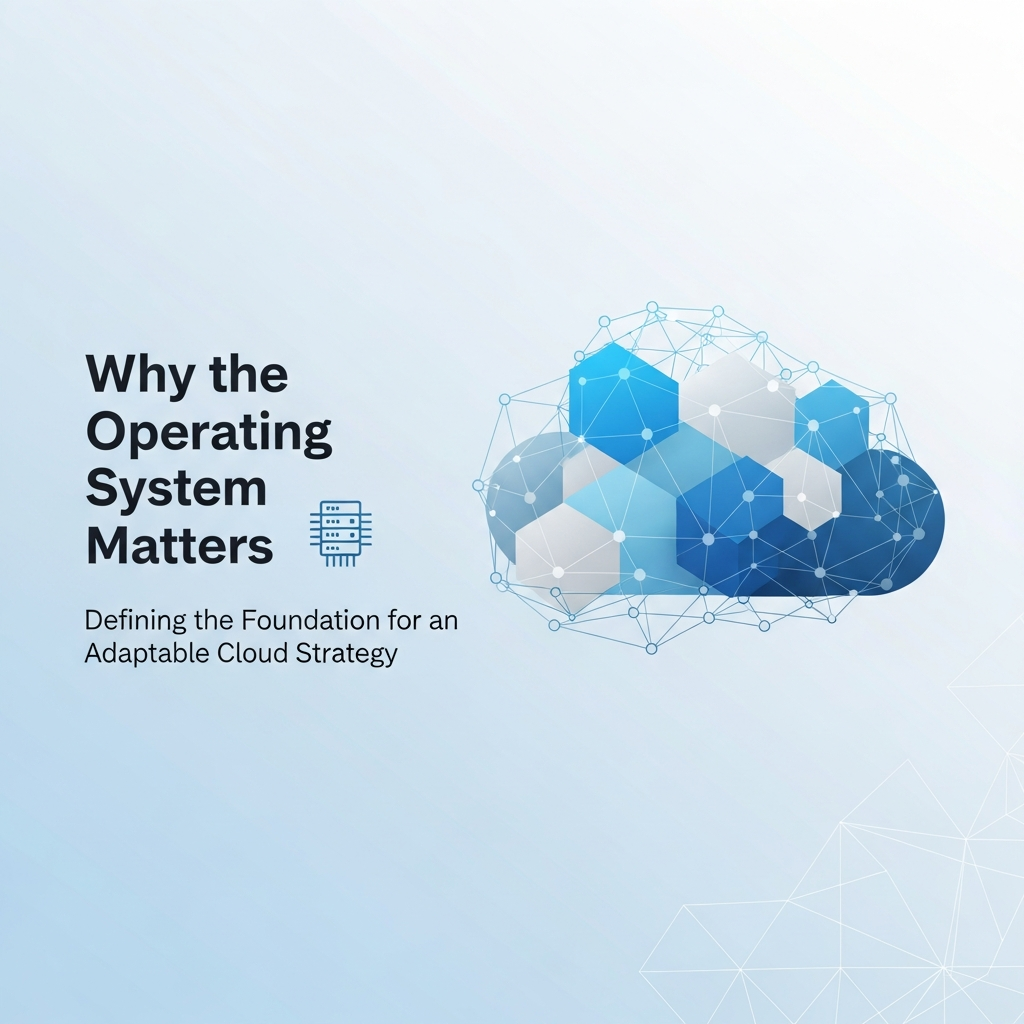
Why the Operating System Matters: Defining the Foundation for an Adaptable Cloud Strategy
Summary
In the evolving landscape of cloud computing, it’s easy to overlook the critical role of the operating system (OS). This blog post dives into why the OS remains a foundational element for a successful and adaptable cloud strategy. We’ll explore how the OS influences performance, security, portability, and cost-efficiency in the cloud, helping you make informed decisions for your infrastructure.
Introduction
You might think that in today’s cloud-centric world, the operating system (OS) is a behind-the-scenes player. After all, cloud providers often abstract away the complexities of the underlying infrastructure. However, dismissing the OS would be a mistake. Like the sturdy foundation of a building, the OS provides the fundamental support upon which your cloud strategy is built. Understanding its significance is crucial for optimizing your cloud environment and ensuring long-term success. Operating systems have been around since the beginning of modern computing, but in those early days, the operating system played a secondary role within the infrastructure. For decades, the hardware itself—massive mainframes in dedicated server rooms and laboratories—was the primary consideration. The operating system (OS) was just part of the framework, an efficient way to interact with the physical hardware, the peripherals, and the subsystems. With the shift to cloud-based infrastructure, it feels like we’ve circled back to that time. Today, the operating system is often considered incidental to the cloud provider and available services.
Why the Operating System Matters in the Cloud
The operating system significantly impacts your cloud environment in several key areas:
- Performance: The OS manages resources like CPU, memory, and storage. A well-chosen and optimized OS can dramatically improve application performance and responsiveness in the cloud.
- Security: The OS is the first line of defense against security threats. Regularly patched and properly configured OS instances are essential for protecting your data and applications.
- Portability: Different OS options offer varying levels of portability across different cloud providers. This flexibility prevents vendor lock-in and allows you to choose the best provider for your needs.
- Cost Efficiency: The choice of OS can affect your cloud costs. Some OS options have associated licensing fees, while others are open-source and free to use. Choosing the right OS can lead to significant cost savings.
- Compatibility: Different OS have different compatibility with various software and tools. Ensuring that the OS is compatible with your application is very important.
Key Factors to Consider When Choosing an OS for the Cloud
When selecting an OS for your cloud strategy, consider these important factors:
- Compatibility with your applications: Make sure the OS supports the software and tools your applications require.
- Security features: Choose an OS with robust security features and a strong track record for patching vulnerabilities.
- Support and community: Consider the level of support available, including vendor support and community resources.
- Cost: Evaluate the licensing costs associated with the OS, including any potential hidden costs.
- Scalability: Consider the OS’s ability to scale with your growing needs.
Tips for Optimizing Your OS in the Cloud
Here are some tips to help you get the most out of your OS in the cloud:
- Automate OS patching: Implement automated patching to ensure your OS instances are up-to-date with the latest security updates.
- Optimize OS configurations: Fine-tune your OS configurations to improve performance and security.
- Monitor OS performance: Regularly monitor your OS performance to identify and resolve any bottlenecks.
- Use the latest OS versions: Stay current with the latest OS versions to benefit from new features, security updates, and performance improvements.
- Choose the right instance size: Ensure your instances have the right compute, memory and storage resources for your workload.
Conclusion
The operating system is far from irrelevant in the cloud. It is a critical component that impacts performance, security, cost, and portability. By carefully selecting and optimizing your OS, you can lay a solid foundation for an adaptable and successful cloud strategy. Make informed decisions, and your cloud journey will be smoother and more rewarding.
FAQ’s
- Why is the OS important in cloud computing?
- The OS is crucial because it manages resources, provides security, affects portability, and influences cost efficiency within your cloud environment.
- What are the key factors to consider when choosing an OS for the cloud?
- Consider compatibility, security, support, cost, and scalability.
- How can I optimize my OS in the cloud?
- Automate patching, optimize configurations, monitor performance, and stay current with the latest versions.
- Which OS is best for cloud?
- The ‘best’ OS depends on your specific needs, application requirements, and budget. Popular choices include various Linux distributions (like Ubuntu, CentOS, and Red Hat), Windows Server, and others.
“`