
Author : Red Hat
“`html
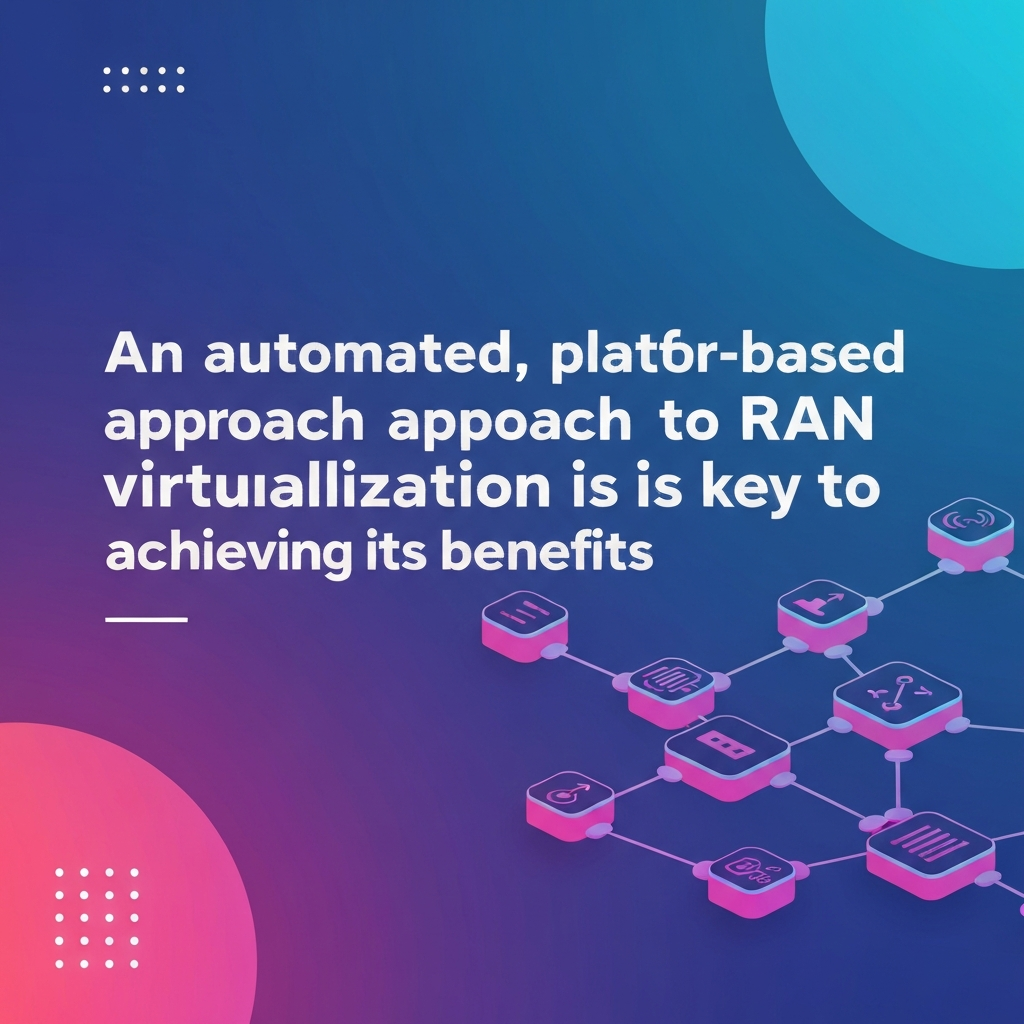
An Automated, Platform-Based Approach to RAN Virtualization is Key to Achieving Its Benefits
In the dynamic world of mobile networks, the Radio Access Network (RAN) is undergoing a significant transformation. You, as a Mobile Network Operator (MNO), are likely seeking ways to modernize and optimize your infrastructure. This blog post delves into how an automated, platform-based approach to RAN virtualization can unlock a host of benefits, including reduced costs, increased agility, and faster innovation.
Introduction
For years, MNOs have been cautious about virtualizing the RAN due to its demanding performance requirements and complexity. However, the industry is now embracing this transformative shift. The goal? To reap the rewards already being realized in other network domains: lower Total Cost of Ownership (TCO), greater agility in scaling capacity, and accelerated service innovation.
The Foundation: Disaggregation and Openness
The key to successful RAN virtualization lies in a new approach built on:
- Technical Disaggregation: Separating RAN software from proprietary hardware.
- Open Interfaces: Utilizing open standards to support functional disaggregation into central, distributed, and radio units.
This approach is enabled by cloud-native technologies, which are far more amenable to automation than the older network function virtualization (NFV) approaches. Software for the virtualized RAN (vRAN) is now being developed as microservices, designed for containers running on commodity, cloud-native infrastructure.
The Power of Automation
Automation (orchestration) is not merely an advantage; it’s an essential component of a successful vRAN deployment. It is an inseparable consequence of using modern software design and cloud-native technologies. Zero-touch automation, using standard cloud-native tooling, is critical to achieving the benefits you expect:
- Improved Agility: Quickly adapt to changing demands and deploy new services.
- Faster Innovation: Accelerate the development and introduction of new features.
- Reduced OPEX: Streamline operations and reduce operational expenses.
Key Factors for Success
To ensure a smooth transition to a virtualized RAN, consider these key factors:
- Embrace Cloud-Native Principles: Design your vRAN software as microservices for containerized environments.
- Prioritize Automation: Implement zero-touch automation for deployment, management, and scaling.
- Leverage Open Standards: Adhere to open interfaces to ensure interoperability and avoid vendor lock-in.
- Choose the Right Platform: Select a platform that supports orchestration, lifecycle management, and monitoring.
- Focus on Security: Integrate robust security measures throughout your vRAN architecture.
Tips for Optimizing Your Approach
- Start Small: Begin with a pilot project to test and refine your approach before a full-scale deployment.
- Invest in Training: Equip your team with the skills necessary to manage and operate a virtualized RAN.
- Collaborate: Work closely with vendors and partners to leverage their expertise.
- Monitor Performance: Continuously monitor the performance of your vRAN to identify and address any issues.
Summary
RAN virtualization, powered by automation and a platform-based approach, offers a compelling path toward increased efficiency, agility, and innovation. By embracing cloud-native technologies, open standards, and zero-touch automation, you can unlock significant benefits and stay ahead in the competitive mobile landscape. Technical disaggregation, open interfaces, and automation create a strong business case for RAN virtualization, enabling you to reduce costs, scale capacity more easily, and accelerate service innovation.
Conclusion
The journey to a virtualized RAN is a strategic move that can reshape your mobile network for the better. By prioritizing automation, you are not just adopting new technology; you are building a more responsive, efficient, and innovative future for your network and your customers. Start exploring the possibilities today.
FAQs
- What are the main benefits of RAN virtualization?
- Lower TCO
- Greater Agility
- Faster Service Innovation
- What is the role of automation in vRAN?
Automation is essential for achieving the benefits of vRAN, enabling zero-touch deployment, management, and scaling.
- What technologies are enabling RAN virtualization?
Cloud-native technologies, open standards, and the disaggregation of hardware and software are key enablers.
- How can I get started with RAN virtualization?
Start with a pilot project, invest in training, and collaborate with vendors and partners.
“`