
Author : Red Hat
“`html
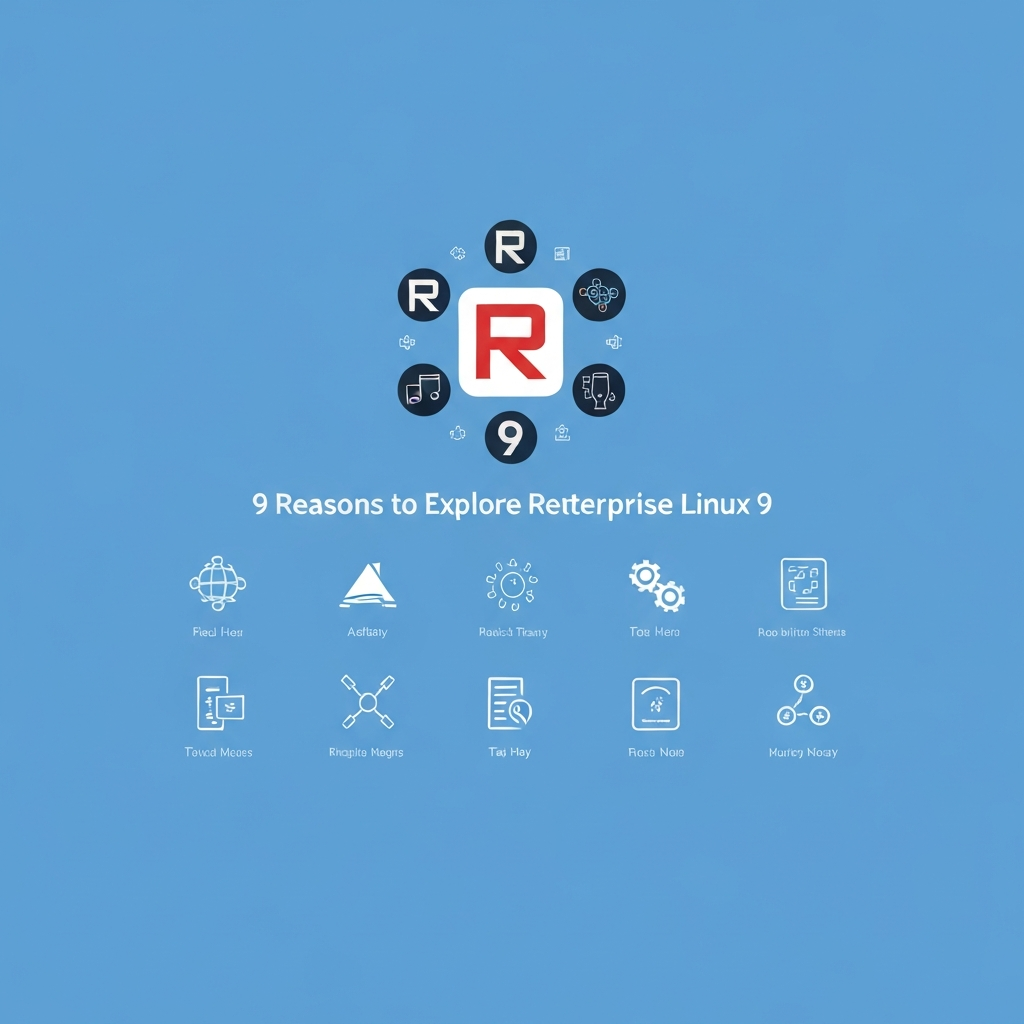
9 Reasons to Explore Red Hat Enterprise Linux 9
In today’s dynamic IT landscape, organizations are increasingly adopting hybrid cloud solutions to meet evolving business demands. Managing a complex hybrid cloud infrastructure can be challenging. That’s where Red Hat® Enterprise Linux® 9 (RHEL 9) comes in. It provides a stable and scalable foundation for your infrastructure. This blog post will explore nine compelling reasons why you should consider exploring RHEL 9 to streamline your IT operations and drive innovation.
Introduction
The shift towards hybrid cloud environments brings both opportunities and complexities. While offering greater flexibility and scalability, it also introduces challenges in managing diverse infrastructure components across datacenters, clouds, and the network edge. RHEL 9 is designed to address these challenges head-on, offering a consistent and reliable platform for your hybrid cloud strategy.
9 Reasons to Explore Red Hat Enterprise Linux 9
- Consistent Hybrid Cloud Foundation: RHEL 9 provides a unified operating system across your entire hybrid cloud environment. This consistency simplifies management and reduces complexity, regardless of where your workloads reside.
- Enhanced Security Features: Security is paramount. RHEL 9 incorporates advanced security features, including improved SELinux capabilities, secure boot, and updated cryptographic libraries, to protect your data and infrastructure.
- Simplified Management: Centralized management tools and automation capabilities streamline your IT operations. RHEL 9 offers tools that simplify tasks like patching, configuration, and monitoring.
- Improved Performance and Scalability: Benefit from optimized kernel and system libraries, ensuring that your applications run efficiently and scale to meet growing demands.
- Enhanced Containerization Support: RHEL 9 offers robust containerization support, including integration with the latest versions of Podman and Docker, enabling you to modernize your application deployment strategies.
- Support for the Latest Hardware: RHEL 9 provides broad hardware support, ensuring compatibility with the latest server hardware and technologies, optimizing your hardware investments.
- Comprehensive Ecosystem and Support: Leverage Red Hat’s extensive ecosystem of software vendors and its world-class support. You’ll have access to a wealth of resources and expertise.
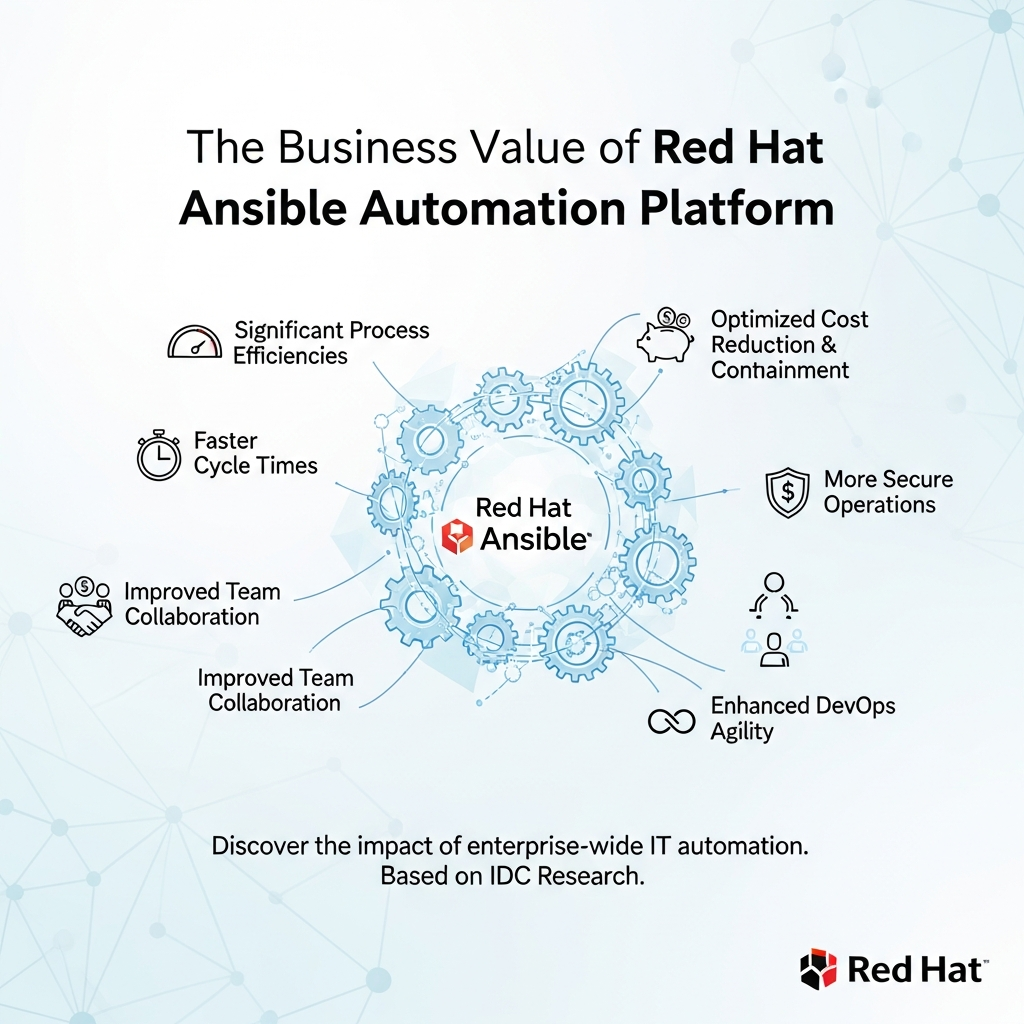
- Automation and DevOps Ready: RHEL 9 is designed with automation in mind, with integration with tools like Ansible, making it easy to automate tasks and streamline your DevOps workflows.
- Long-Term Stability and Reliability: RHEL 9 is built for long-term stability and reliability, ensuring that your infrastructure remains available and secure for years to come.
Summary
Red Hat Enterprise Linux 9 is a robust and reliable operating system that provides a solid foundation for your hybrid cloud strategy. By embracing RHEL 9, you can simplify management, enhance security, and drive innovation across your IT infrastructure.
Conclusion
Exploring Red Hat Enterprise Linux 9 is a strategic move for organizations looking to optimize their hybrid cloud environments. Its consistent platform, enhanced security, simplified management, and extensive ecosystem make it an ideal choice for businesses of all sizes. Embrace RHEL 9, and you will be well-equipped to meet the challenges of today’s dynamic IT landscape and build a more agile, secure, and efficient infrastructure.
FAQ
What is the main benefit of using RHEL 9 in a hybrid cloud environment?
The main benefit is the consistent operating system across all environments (datacenter, cloud, edge), simplifying management and reducing complexity.
How does RHEL 9 improve security?
RHEL 9 includes advanced security features such as improved SELinux capabilities, secure boot, and updated cryptographic libraries.
What kind of support is available for RHEL 9?
Red Hat provides extensive support and an ecosystem of software vendors to help you with your infrastructure.
“`