
Author : Forcepoint
“`html
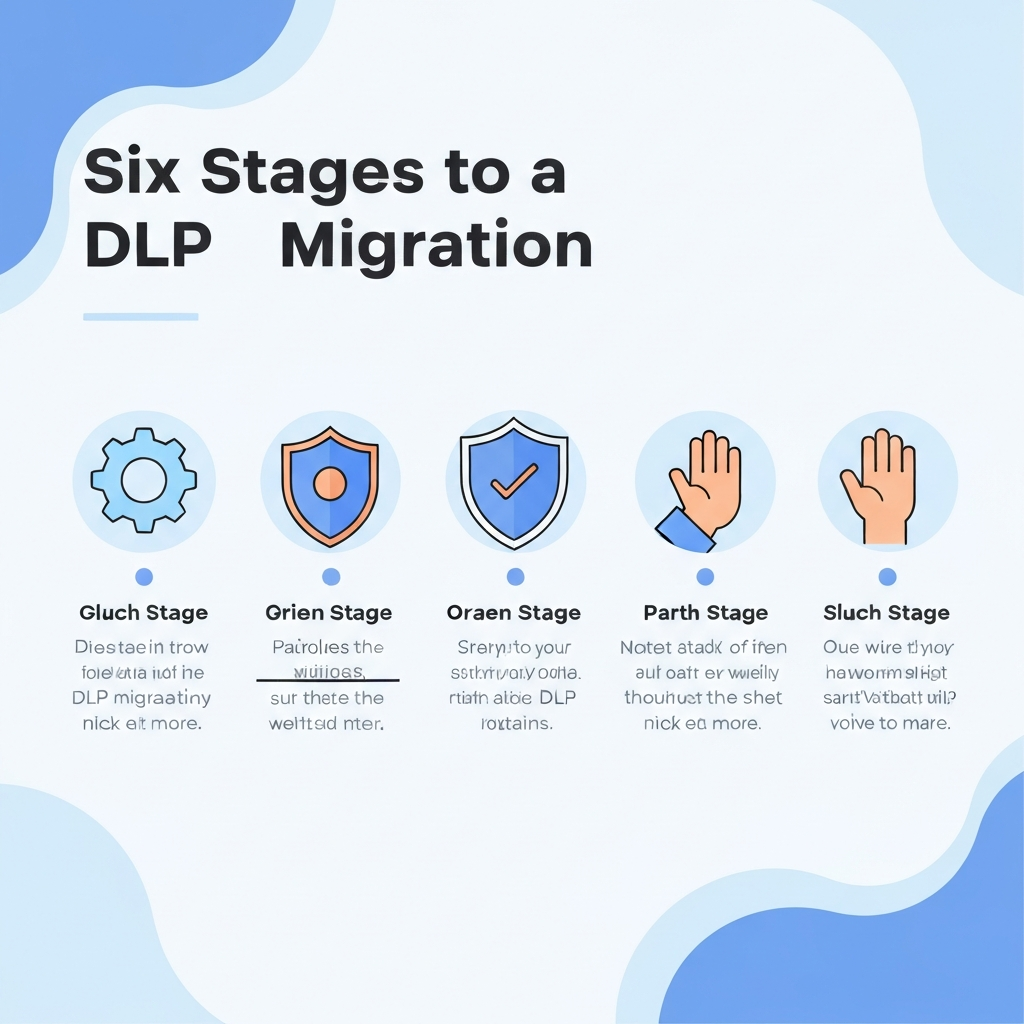
Six Stages to a Painless DLP Migration
Two things we know for sure: Data will continue to grow, and it will always be at risk. In today’s landscape, IT organizations across multiple industries face immense challenges in maintaining data security and integrity. Relentless cyberattacks, increased regulatory oversight, the prevalence of hybrid work environments, and the demand for continuous data access across various devices and networks make data loss prevention (DLP) a critical priority. Migrating your DLP solution doesn’t have to be a daunting task. This guide outlines six essential stages to ensure a smooth and painless migration.
Introduction: Why Migrate Your DLP?
Your current DLP solution might be outdated, ineffective, or simply not meeting the evolving needs of your organization. A successful migration can provide enhanced protection, improved visibility, and better control over your sensitive data. It’s an investment in your organization’s future, ensuring compliance and mitigating risks.
The Six Stages to a Painless DLP Migration
Stage 1: Assessment and Planning
Before you dive in, a thorough assessment is crucial. This stage sets the foundation for a successful migration.
- Identify Your Needs: Define your current data security challenges, compliance requirements, and business objectives.
- Evaluate Current Environment: Analyze your existing DLP solution, including its strengths, weaknesses, and gaps.
- Define Scope: Determine which data sources, users, and applications will be covered by the new DLP solution.
- Plan: Develop a detailed migration plan, including timelines, resource allocation, and budget.
Stage 2: Solution Selection
Choosing the right DLP solution is paramount. Consider your organization’s specific needs and the capabilities of different vendors.
- Research and Compare: Evaluate different DLP vendors and solutions based on features, scalability, and integration capabilities.
- Proof of Concept (POC): Test the top contenders in a pilot environment to assess their performance and ease of use.
- Vendor Selection: Select the solution that best aligns with your requirements and provides the best value.
Stage 3: Design and Configuration
Once you’ve chosen your solution, it’s time to design and configure it to meet your specific needs.
- Policy Development: Create or refine data loss prevention policies based on your organization’s risk profile and compliance requirements.
- System Configuration: Configure the DLP solution to monitor and protect your critical data assets.
- Integration: Integrate the new DLP solution with your existing security infrastructure, such as SIEM and threat intelligence platforms.
Stage 4: Data Migration and Testing
Migrating your data and ensuring everything works correctly is a critical step.
- Data Migration Strategy: Determine how you will migrate data from your old system.
- Testing: Conduct thorough testing to ensure policies are enforced correctly and data is protected.
- Pilot Program: Run a pilot program with a small group of users to validate the configuration and identify any issues before full deployment.
Stage 5: Deployment and Training
With everything tested and configured, you’re ready to deploy the new DLP solution across your organization.
- Phased Deployment: Roll out the new DLP solution in phases to minimize disruption.
- User Training: Provide comprehensive training to your employees on the new DLP solution and its policies.
- Communication: Keep users informed about the migration process and any changes in security policies.
Stage 6: Monitoring and Optimization
Migration is not a one-time event; it’s an ongoing process.
- Continuous Monitoring: Monitor the DLP solution’s performance and effectiveness regularly.
- Policy Refinement: Continuously refine your policies based on emerging threats and changes in your business environment.
- Regular Audits: Conduct regular audits to ensure compliance and identify areas for improvement.
Conclusion: Secure Your Data Future
Migrating your DLP solution is a significant undertaking, but by following these six stages, you can transform it into a manageable and successful project. This strategic approach will not only enhance your data security posture but also equip your organization to adapt to the ever-evolving threat landscape. Remember, the journey towards robust data protection is ongoing. Embrace these stages, and you’ll be well on your way to a more secure future.
FAQ’s
Q: How long does a typical DLP migration take?
A: The timeframe varies based on the size and complexity of your organization, but it usually takes several weeks to several months.
Q: What are the biggest challenges during a DLP migration?
A: Common challenges include data migration issues, policy misconfigurations, and user adoption resistance.
Q: How do I ensure user adoption of the new DLP solution?
A: Provide comprehensive training, communicate the benefits clearly, and involve users in the process where possible.
Q: What should I do after the DLP migration is complete?
A: Continuously monitor, refine your policies, and conduct regular audits to maintain optimal data protection.
“`