
Author : Red Hat
“`html
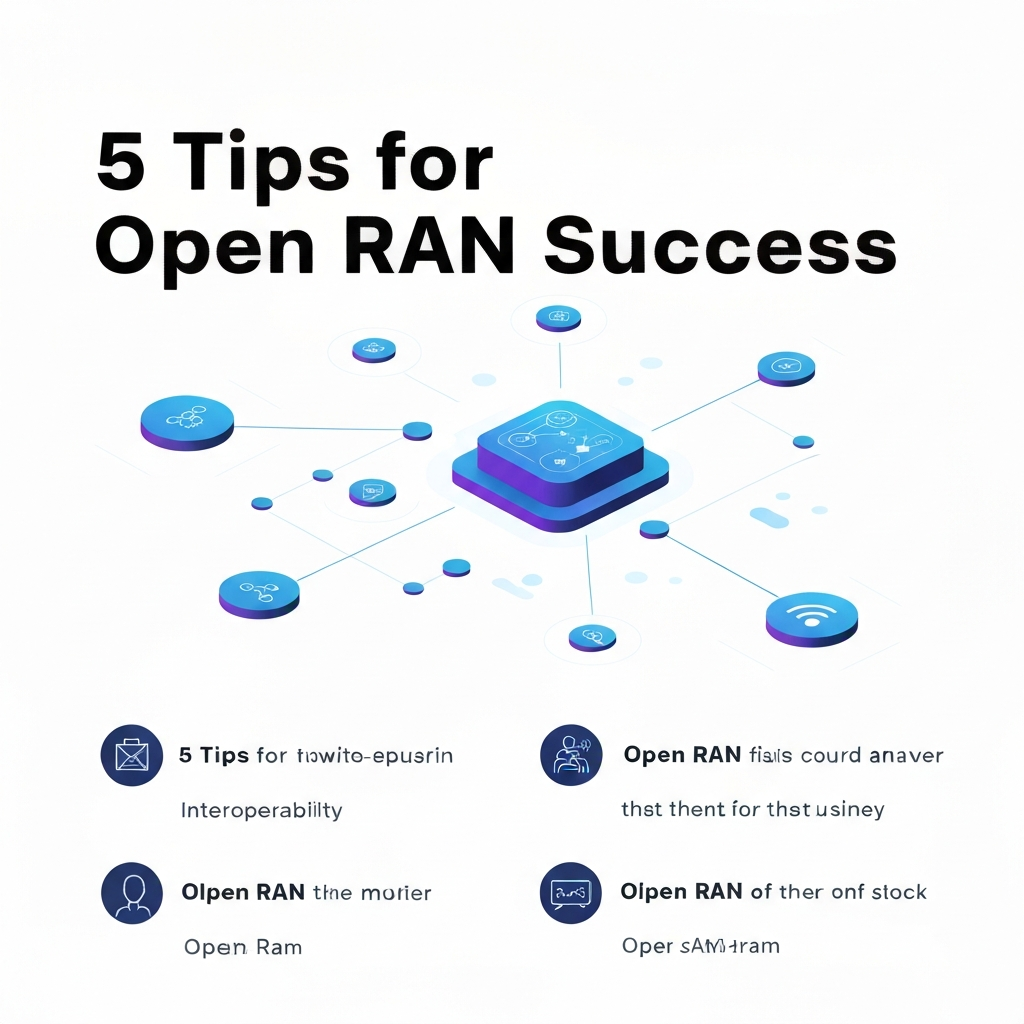
5 Tips for Open RAN Success
With the exciting rollout of 5G, digital service providers like you have a golden opportunity to unlock new revenue streams and revolutionize the way we connect. However, to truly harness the potential of 5G, you need the right network and infrastructure in place. Open RAN (Radio Access Network) is a key technology to help you achieve this. By virtualizing your RAN, you can quickly scale software-based network functions, increase network capacity, improve performance, and significantly reduce operational complexity. But how do you ensure your Open RAN journey is a success? Let’s dive into five essential tips.
Introduction
Open RAN represents a paradigm shift in how mobile networks are built and operated. It promotes interoperability and vendor diversity, allowing you to choose best-of-breed components and avoid vendor lock-in. This flexibility, coupled with the ability to leverage cloud-native architectures, provides significant advantages in terms of cost, agility, and innovation. Implementing Open RAN, however, requires careful planning and execution. This guide provides actionable insights to help you navigate the complexities and maximize your chances of success.
5 Tips for Open RAN Success
Here are five key tips to help you on your Open RAN journey:
- Start with a Clear Strategy and Defined Goals:
Before you begin, define your specific goals and objectives. What are you hoping to achieve with Open RAN? Are you aiming to reduce costs, increase network capacity, or improve time-to-market for new services? A well-defined strategy should include:
- Business Objectives: What are the key performance indicators (KPIs) you want to improve?
- Technical Requirements: What are your specific network needs in terms of capacity, coverage, and performance?
- Implementation Plan: A phased approach helps you to mitigate risk and learn from experience.
- Prioritize Interoperability and Vendor Selection:
One of the core principles of Open RAN is interoperability. Carefully select vendors and ensure their solutions adhere to the Open RAN standards. This will allow you to mix and match components from different vendors. Consider the following:
- Compliance: Ensure all vendors adhere to O-RAN Alliance specifications.
- Testing: Conduct thorough testing to ensure seamless integration between different vendors’ components.
- Vendor Ecosystem: Assess the vendor’s long-term commitment and support.
- Embrace Automation and Orchestration:
Open RAN deployments can be complex. Automation is crucial to manage and optimize your network efficiently. Focus on:
- Automation Tools: Implement automation tools for network configuration, deployment, and management.
- Orchestration: Utilize orchestration platforms to automate the lifecycle management of virtualized network functions.
- Continuous Integration/Continuous Deployment (CI/CD): Adopt CI/CD practices to streamline software updates and new feature deployments.
- Focus on Security from the Ground Up:
Security is paramount in any network deployment, and Open RAN is no exception. You must build security into every layer of your Open RAN architecture. Consider these points:
- Zero Trust: Implement a zero-trust security model.
- Encryption: Use strong encryption for all communications.
- Regular Audits: Conduct regular security audits and vulnerability assessments.
- Invest in Training and Skills Development:
Open RAN requires new skill sets and expertise. Invest in training and development for your team to ensure they are equipped to manage and optimize your Open RAN environment. This includes:
- Training Programs: Provide training on Open RAN technologies, architectures, and management.
- Skill Gaps: Identify and address any skill gaps within your team.
- Collaboration: Foster collaboration between your team and vendors.
Conclusion
Open RAN offers a transformative opportunity for digital service providers to build more agile, efficient, and innovative networks. By following these five key tips, you can increase your chances of a successful Open RAN deployment. Remember to start with a clear strategy, prioritize interoperability, embrace automation, prioritize security, and invest in your team. Your journey to a successful Open RAN deployment will require a strategic approach, but the potential rewards are well worth the effort. Embrace the future of mobile networks and unlock the full potential of 5G!
FAQ’s
What is Open RAN?
Open RAN (Open Radio Access Network) is a network architecture that promotes interoperability and vendor diversity in the radio access network. It allows operators to mix and match components from different vendors, leading to greater flexibility, innovation, and cost savings.
What are the benefits of Open RAN?
The benefits of Open RAN include reduced costs, increased network capacity, improved performance, vendor diversification, and faster time-to-market for new services.
What are the challenges of Open RAN?
Challenges include the need for increased interoperability testing, the complexity of integrating components from different vendors, and the need for new skill sets and expertise.
How can I ensure the success of my Open RAN deployment?
You can ensure success by starting with a clear strategy, prioritizing interoperability, embracing automation and orchestration, focusing on security, and investing in training and skills development.
“`