
Author : FIELD
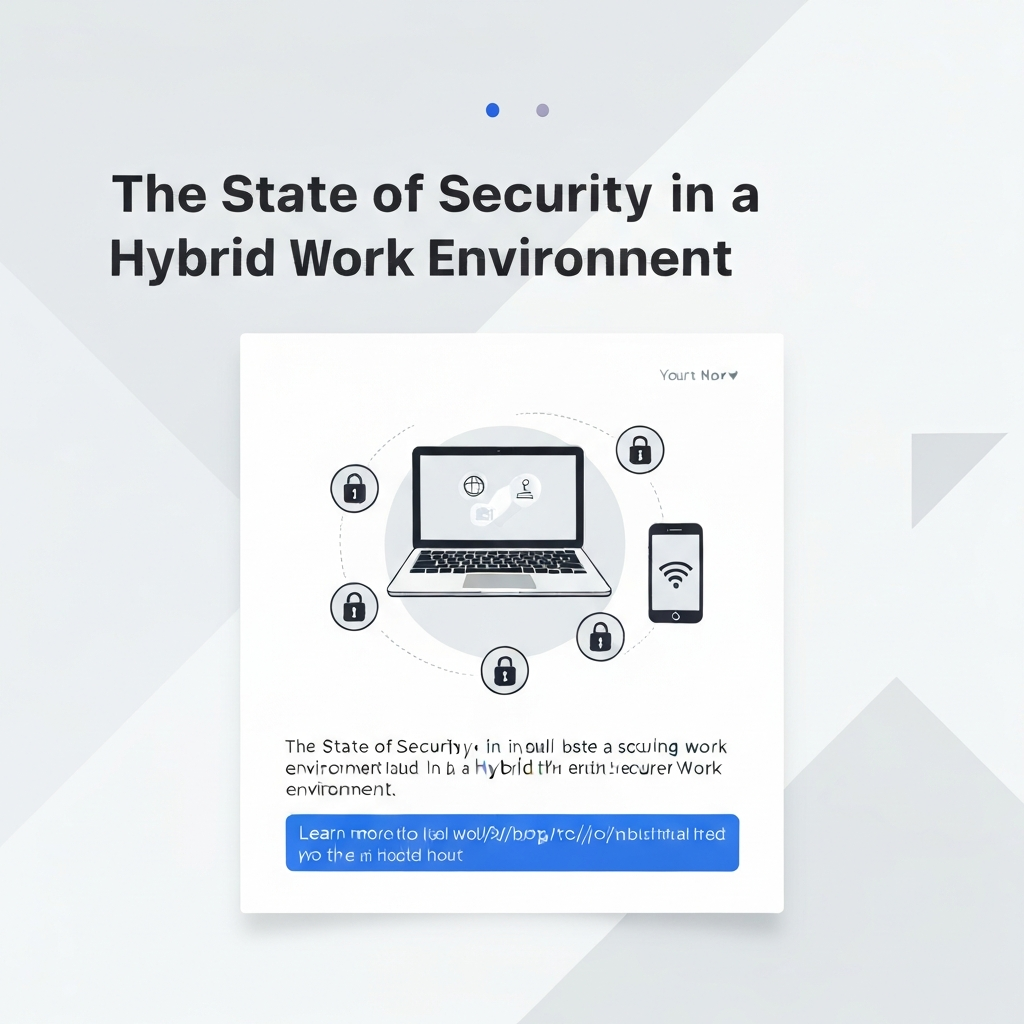
The State of Security in a Hybrid Work Environment
The shift to hybrid work has fundamentally changed the landscape of cybersecurity. You’ve likely witnessed the surge in cyberattacks and security incidents that directly target the vulnerabilities introduced by a distributed workforce. This blog post explores the current state of security in this evolving environment, offering insights, best practices, and a look at what the future holds.
Introduction
The years 2020 and 2021 brought about unprecedented changes, with a massive migration to remote work. This shift exposed the limitations of traditional security architectures. Businesses globally have found themselves increasingly vulnerable, putting immense pressure on security teams. While the challenges are significant, the response has been remarkable.
One of the positive outcomes of this shift is the renewed focus organizations have placed on cybersecurity. Security is now recognized as a vital, shared responsibility that spans from individual employees to IT departments, supply chains, and the c-suite.
Key Challenges in Hybrid Work Security
Understanding the challenges is the first step toward building a robust security posture. Here are some key factors:
- Expanded Attack Surface: The hybrid model significantly increases the attack surface. Remote devices, home networks, and cloud services all become potential entry points for cyber threats.
- Increased Phishing and Social Engineering: Cybercriminals are adept at exploiting human vulnerabilities. Phishing attacks, spear-phishing, and social engineering attempts have become more prevalent, targeting employees working from home.
- Data Loss Prevention (DLP) Difficulties: Protecting sensitive data becomes more complex when it’s accessed and stored across various devices and locations. Implementing effective DLP measures is crucial.
- Network Security Complexity: Securing a distributed network, with employees connecting from various locations and using different devices, presents significant network security challenges.
- Endpoint Security Concerns: Ensuring that all endpoints (laptops, smartphones, tablets) are secure and compliant is critical, especially when employees use personal devices (BYOD).
- Insider Threats: With employees working remotely, the risk of insider threats (malicious or accidental) can increase.
Best Practices for Securing Your Hybrid Workplace
Implementing a proactive and layered security approach is essential. Consider the following best practices:
- Implement a Zero Trust Security Model: Verify every user and device before granting access to resources, regardless of their location.
- Strengthen Authentication: Enforce strong passwords, multi-factor authentication (MFA), and single sign-on (SSO) to secure access to systems and data.
- Provide Security Awareness Training: Educate employees about phishing, social engineering, and other threats. Regular training and simulations can help improve security awareness.
- Use Endpoint Detection and Response (EDR): Deploy EDR solutions to monitor endpoints for threats, detect malicious activity, and respond to incidents in real-time.
- Secure Remote Access: Use VPNs (Virtual Private Networks) or other secure methods for remote access to corporate resources.
- Patch and Update Systems Regularly: Keep all software and systems up-to-date to patch vulnerabilities.
- Implement Data Loss Prevention (DLP): Use DLP tools to monitor, detect, and prevent sensitive data from leaving your organization’s control.
- Monitor and Audit: Regularly monitor your network and systems for suspicious activity, and conduct regular security audits to identify and address vulnerabilities.
- Develop an Incident Response Plan: Create a detailed plan for responding to security incidents, including steps for containment, eradication, and recovery.
Looking Ahead: The Future of Hybrid Work Security
The evolution of hybrid work and the associated security landscape will continue. Here are some trends to watch:
- AI-Powered Security: Artificial intelligence and machine learning will play a more significant role in threat detection, response, and automation.
- Cloud Security: As organizations increasingly rely on cloud services, cloud security will become even more critical.
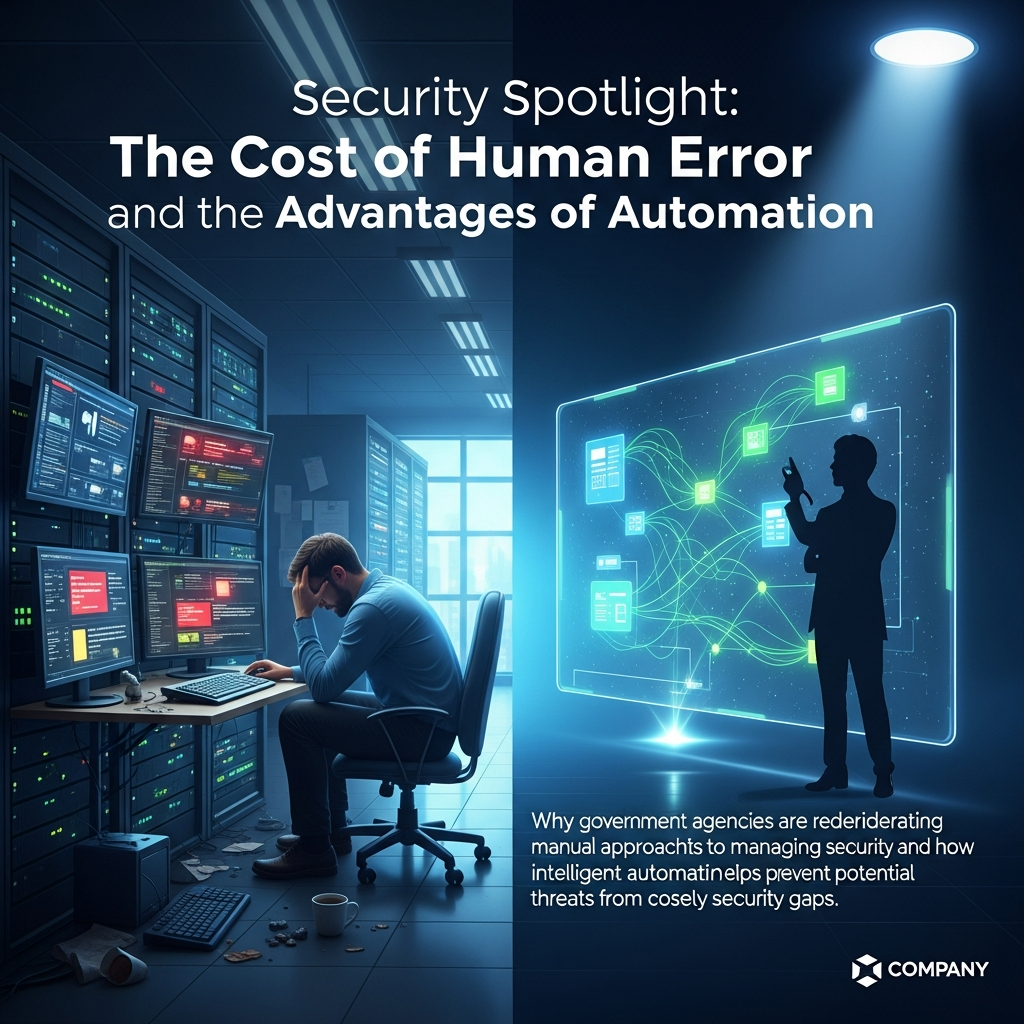
- Security Automation: Automation will be used to streamline security operations, reduce manual tasks, and improve efficiency.
- Focus on Employee Experience: Security measures will need to be implemented without negatively impacting employee productivity and experience.
Conclusion
The hybrid work environment presents significant security challenges, but also offers an opportunity to build a more resilient and secure organization. By understanding the risks, implementing best practices, and staying informed about emerging trends, you can protect your organization from cyber threats and empower your workforce to thrive in a hybrid world. Remember, security is a shared responsibility. Collaboration between IT, employees, and leadership is vital for success.
FAQ’s
What is a Zero Trust security model?
The Zero Trust model operates on the principle of “never trust, always verify.” It assumes that no user or device, whether inside or outside the network, should be automatically trusted. Every access request is verified based on identity, device posture, and other contextual factors before granting access to resources.
Why is Multi-Factor Authentication (MFA) important?
MFA adds an extra layer of security by requiring users to provide multiple forms of verification (e.g., password and a code from a mobile app). This makes it much harder for attackers to gain access to accounts, even if they have a user’s password.
What is Endpoint Detection and Response (EDR)?
EDR is a security solution that monitors endpoints (e.g., laptops, desktops) for malicious activity. It detects threats, investigates incidents, and provides a way to respond to and remediate those threats in real time.
How can I protect my home network?
Secure your home network by using a strong password for your Wi-Fi, updating your router’s firmware regularly, and enabling a firewall. Also, consider using a VPN when accessing sensitive information.
“`