
Author : Paloaolto
“`html
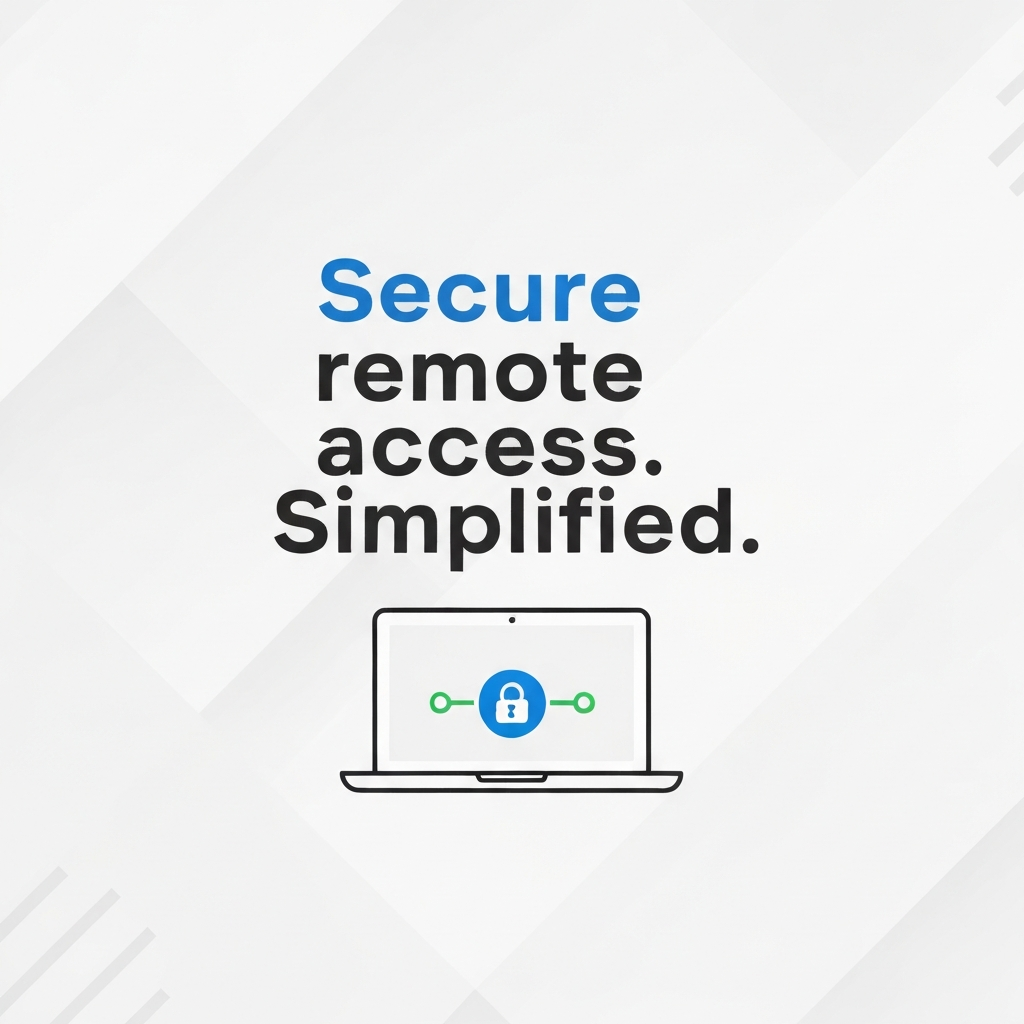
Secure Remote Access: Simplified Guide
The workplace today is undeniably hybrid. The way people work and the enterprise infrastructures that support day-to-day business are highly distributed worldwide. In this guide, we’ll break down secure remote access, making it easy to understand and implement, no matter your tech background. We’ll explore why it’s crucial and how you can ensure your remote work setup is safe and efficient.
Introduction
In our increasingly interconnected world, remote access isn’t just a perk – it’s a necessity. Whether you’re a business owner, a remote worker, or someone exploring flexible work options, understanding secure remote access is fundamental. It allows you to connect to your work resources from anywhere, ensuring productivity and collaboration aren’t limited by location. However, this convenience also introduces security risks. That’s why we need to focus on secure remote access.
Why Secure Remote Access Matters
Think of secure remote access as a virtual shield for your valuable data and systems. Without it, you’re vulnerable to cyber threats, including data breaches, malware attacks, and unauthorized access. Secure access ensures that only authorized individuals can access sensitive information, protecting your business and your clients.
Key Factors for Secure Remote Access
To ensure a secure remote access environment, consider these key factors:
- Strong Authentication: Use multi-factor authentication (MFA) to verify user identities. This adds an extra layer of security beyond just a password.
- Encryption: Encrypt all data transmitted between the remote device and the network. This protects data from being intercepted and read by unauthorized parties.
- Virtual Private Networks (VPNs): Use a VPN to create a secure, encrypted connection to your network. This ensures your data travels through a secure tunnel.
- Regular Security Updates: Keep your software and operating systems up to date to patch any security vulnerabilities.
- Access Controls: Implement strict access controls, granting users only the necessary permissions to perform their job functions.
- Device Security: Ensure that remote devices are secure with strong passwords, updated antivirus software, and, if possible, device encryption.
- Security Awareness Training: Educate employees about phishing, social engineering, and other common threats to minimize the risk of human error.
Tips for Improving Secure Remote Access
Here’s how you can enhance your secure remote access setup:
- Choose a Reputable VPN Provider: If you use a VPN, select a provider with a strong reputation for security and privacy.
- Use Strong, Unique Passwords: Avoid using the same passwords across multiple accounts. Utilize a password manager to help you generate and store strong passwords.
- Regularly Review Access Permissions: Audit user access regularly to ensure that permissions are still appropriate and remove access when it’s no longer needed.
- Monitor Network Traffic: Keep an eye on network traffic for any suspicious activity or unusual patterns that might indicate a security breach.
- Implement a Zero-Trust Model: Instead of trusting anyone by default, verify every user and device trying to access your network.
- Segment Your Network: Divide your network into segments to limit the impact of a potential breach. If one segment is compromised, the others remain protected.
Summary
Secure remote access is essential for any modern business or individual embracing remote work. By prioritizing security through strong authentication, encryption, and regular updates, you can create a safe and productive remote work environment. Remember to stay informed about the latest threats and best practices to keep your data and systems protected.
Conclusion
By implementing these strategies, you are well on your way to creating a secure and efficient remote access environment. Remember, security is not a one-time setup; it’s an ongoing process. Stay vigilant, stay informed, and always prioritize the safety of your data and systems.
FAQ’s
What is Multi-Factor Authentication (MFA)?
MFA requires users to provide multiple forms of identification before accessing a system or account. This typically involves something you know (like a password), something you have (like a phone), and something you are (like a fingerprint). It significantly enhances security by making it harder for unauthorized individuals to gain access, even if they have your password.
Why is Encryption Important?
Encryption protects your data by scrambling it into an unreadable format. This means that if someone intercepts your data during transmission, they won’t be able to understand it without the proper decryption key. Encryption is critical for protecting sensitive information, such as financial data, personal details, and confidential business documents.
How Can I Choose a VPN?
When selecting a VPN, consider these factors: its reputation for security and privacy, the number and location of its servers, its logging policy (choose a provider that doesn’t log your activity), its encryption protocols, and whether it offers multi-factor authentication. Research different providers and read reviews to find the best fit for your needs.
What is a Zero-Trust Model?
A Zero-Trust model operates under the principle of “never trust, always verify.” It assumes that no user or device, whether inside or outside the network, should be automatically trusted. Every access request is verified based on identity, device, and context, providing a more robust security posture.
“`